The President of the High Council of State and members of the Council affirm their rejection of the apology of the Governor of Central Bank of Libya and their support for his continued service


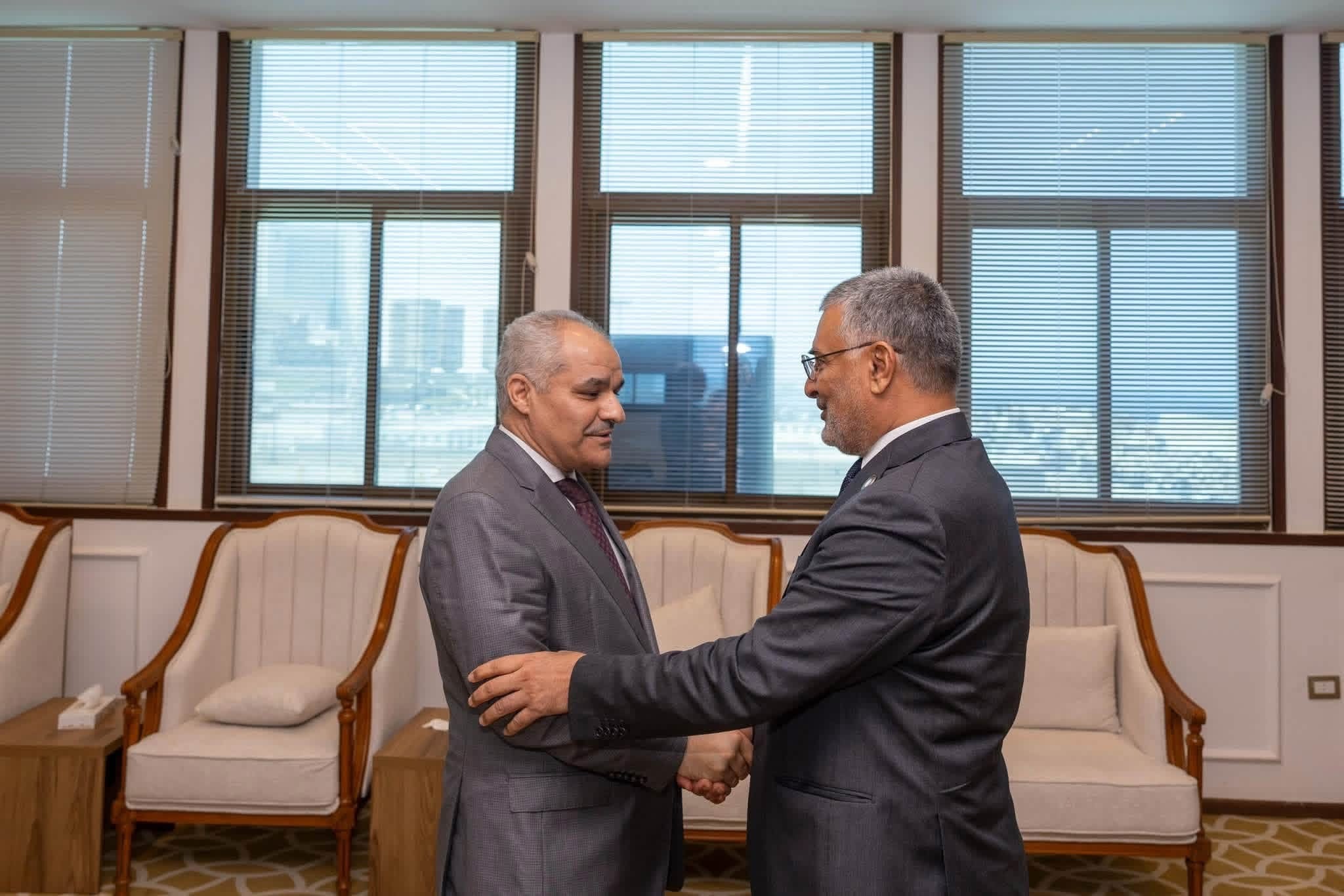
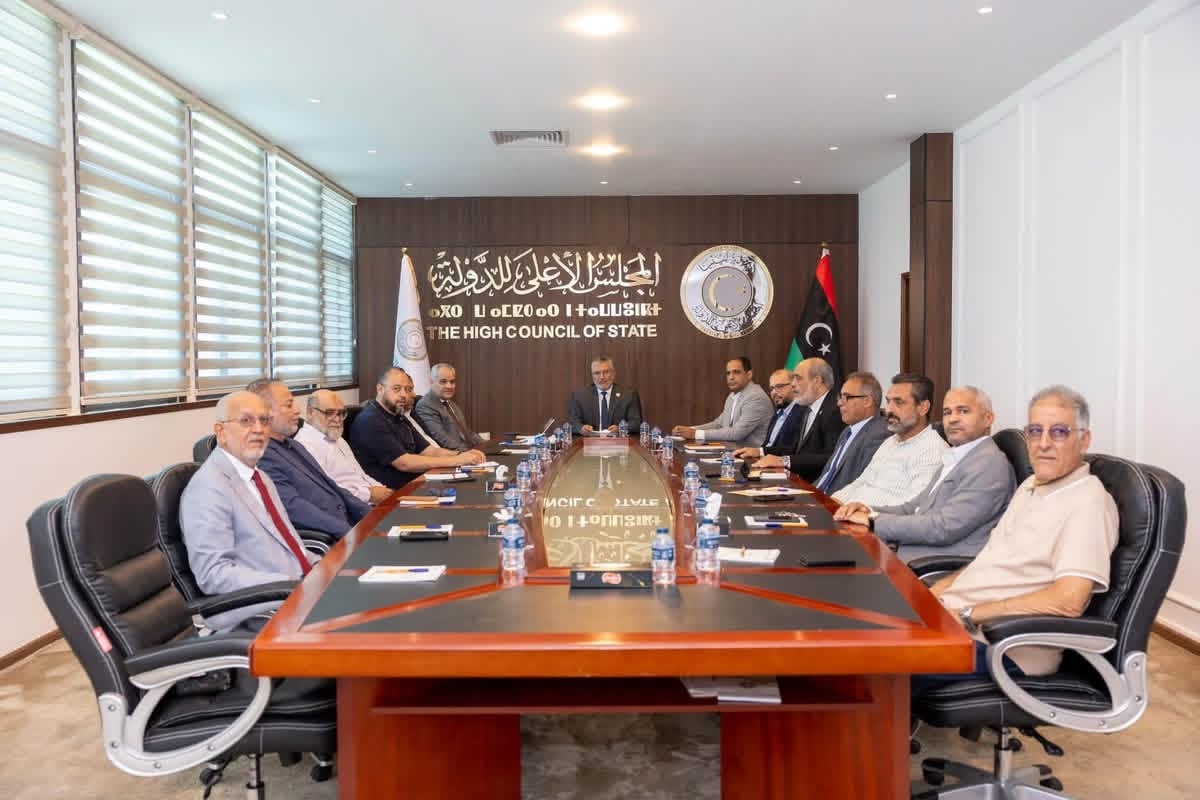
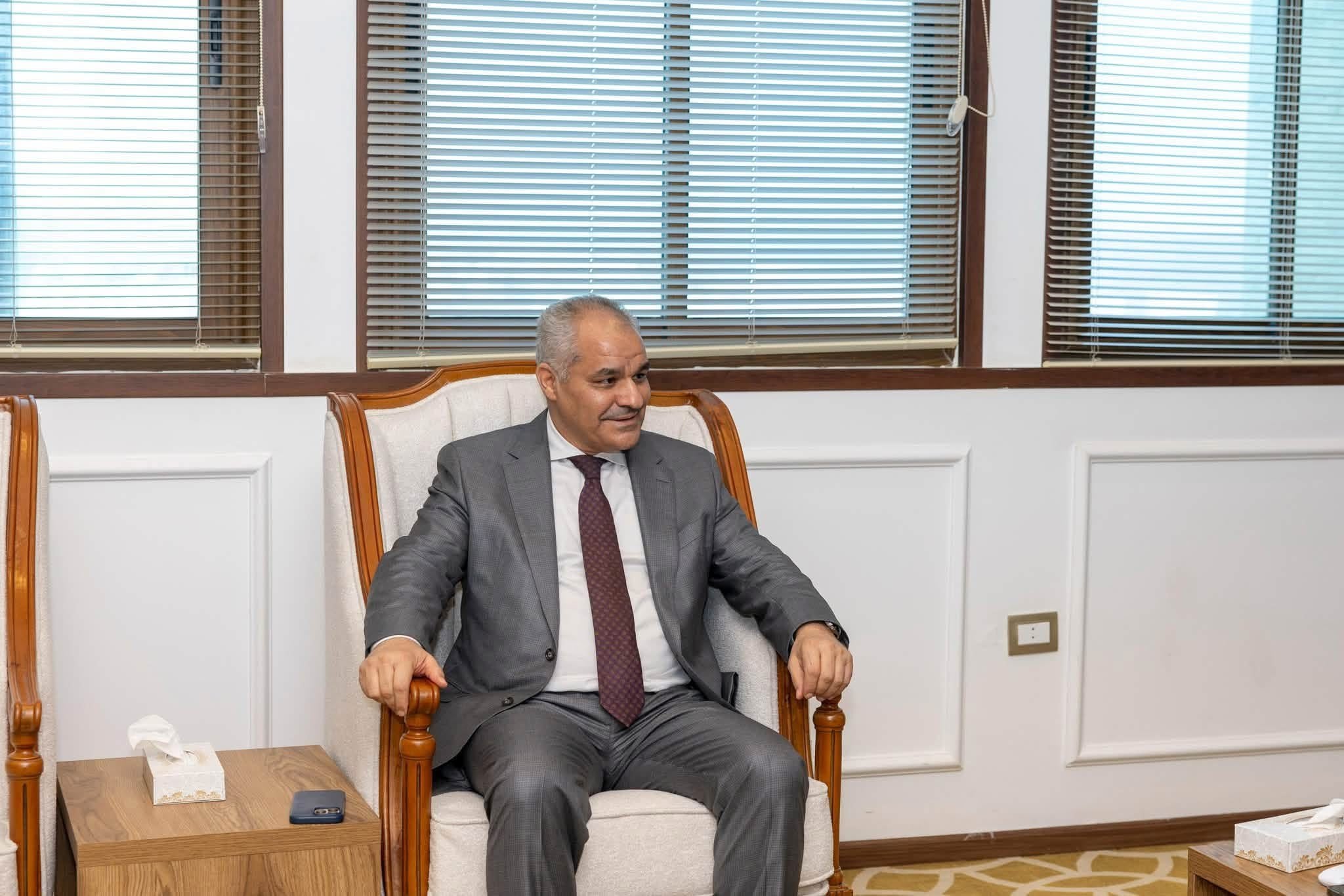
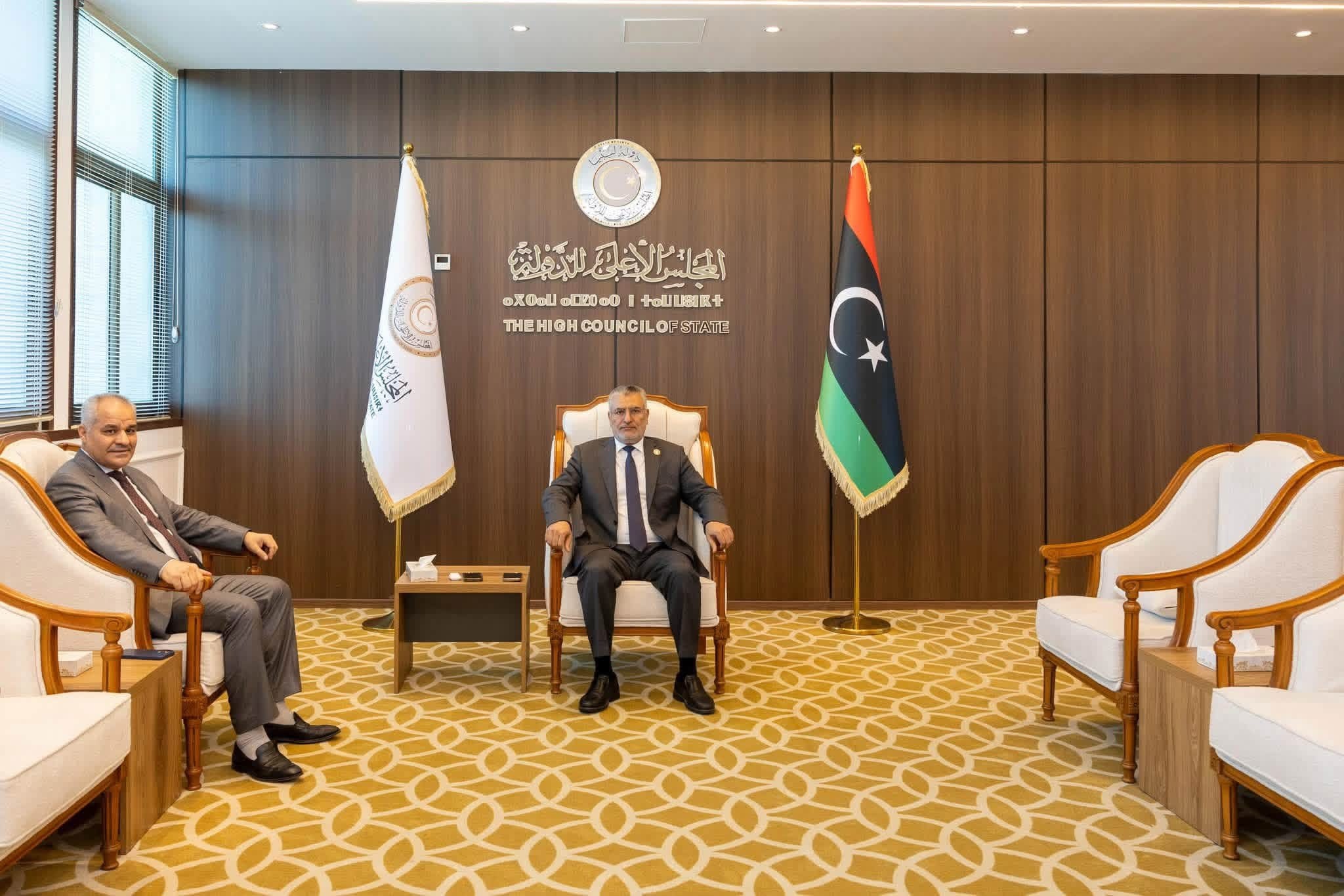
The Governor of the Central Bank of Libya, H.E. Naji Issa, met with the President of the High Council of State, Dr. Mohamed Takala, accompanied by the First Deputy, Mr. Naji Mukhtar, and the Second Deputy, Mr. Omar Boushah, in the presence of the Council’s Rapporteur, Mr. Belkacem Debrez, and the heads of the Council’s standing committees, on Wednesday, August 12, 2026, in Tripoli.
At the beginning of the meeting, the Council members affirmed their rejection of the Governor’s resignation and his continued service. The Governor of the Central Bank of Libya then reviewed the most prominent financial and monetary indicators and challenges, including those related to the management of public resources, spending, liquidity, and the exchange rate, and their impact on economic stability and the living conditions of citizens.
The importance of the continued smooth operation of the Central Bank of Libya and the preservation of its professional and institutional independence, free from any interference or pressure that could undermine the stability of monetary policy, was emphasized.
The meeting also stressed the need to harmonize fiscal and economic policies, rationalize public spending, close loopholes for waste and corruption, protect public funds and state resources, and enhance transparency and accountability without exception. The participants emphasized the importance of forming a joint technical committee between the State Council and the House of Representatives, in coordination with the Central Bank of Libya and relevant entities. This committee would be tasked with developing a comprehensive package of economic and financial reforms and monitoring their implementation to ensure that existing imbalances are addressed on a scientific and institutional basis.
The attendees stressed that overcoming the economic crisis requires responsible and courageous decisions, support for competent individuals and institutions undertaking their reform duties, and prioritizing the national interest over partisan interests. This will safeguard Libya’s resources, enhance its stability, and bolster confidence in it both domestically and internationally.