Central Bank of Libya Governor Discusses Libyan Economic Developments and Support for Economic Reform with IMF Middle East and Central Asia Department Director


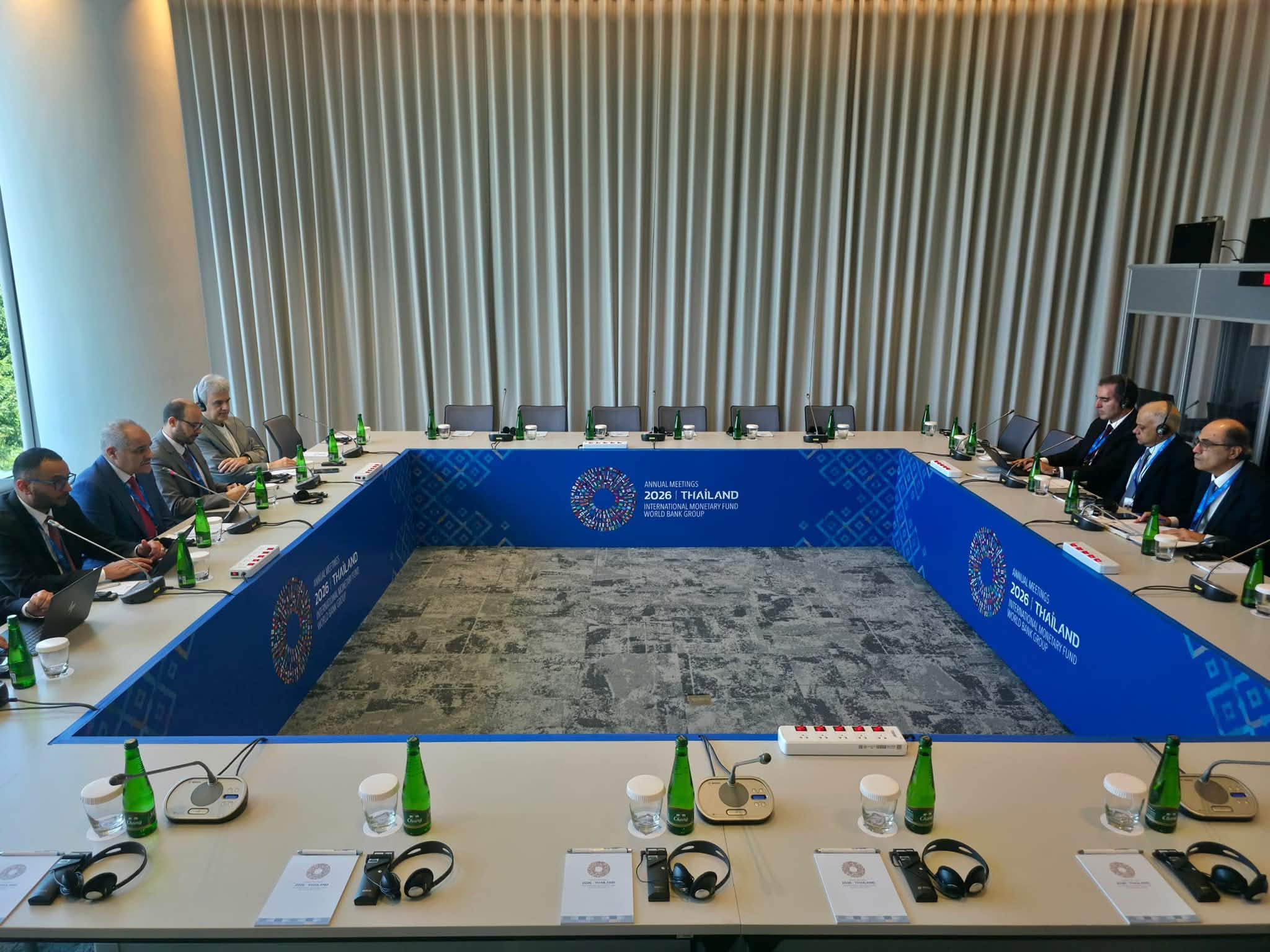
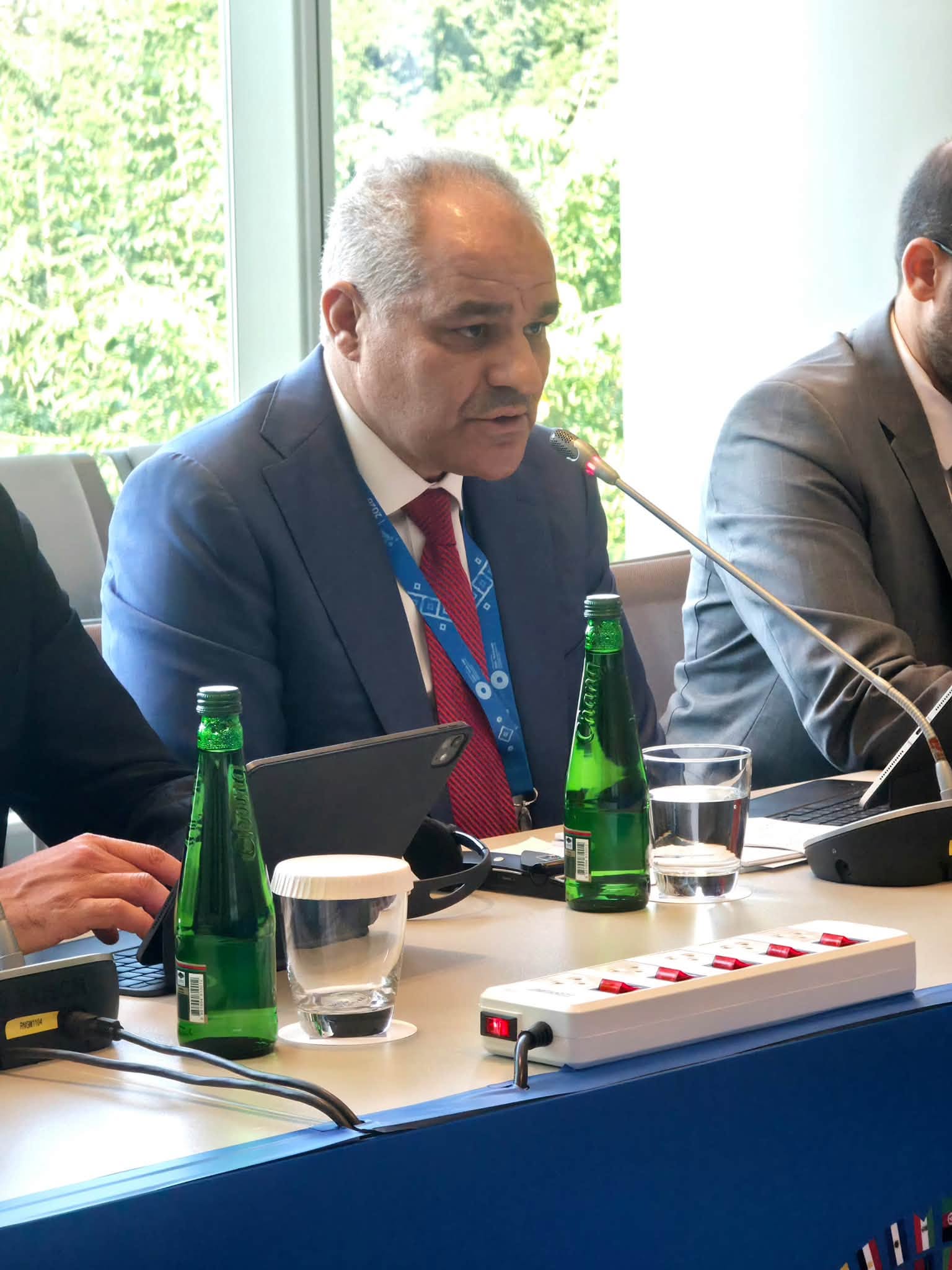
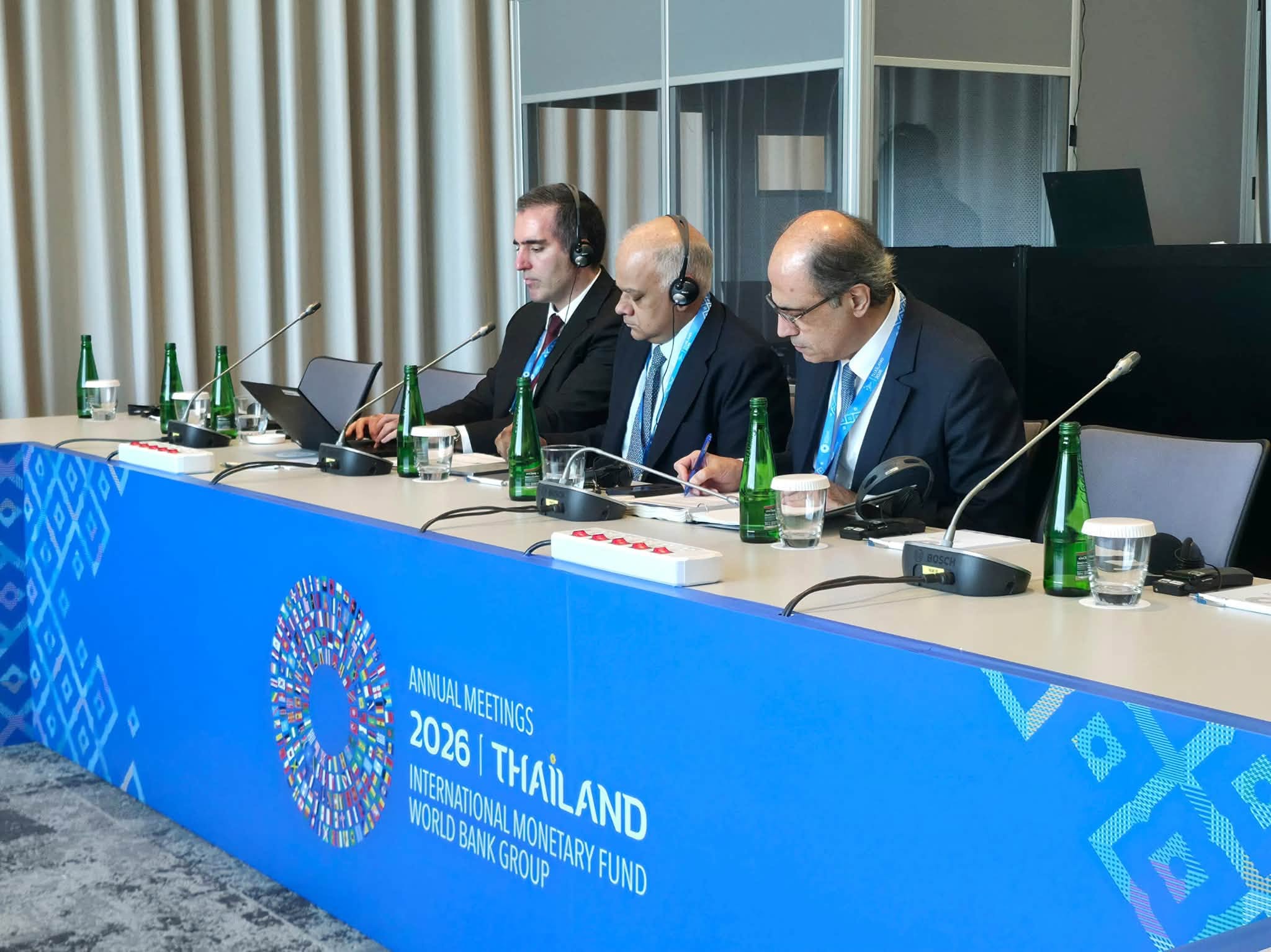
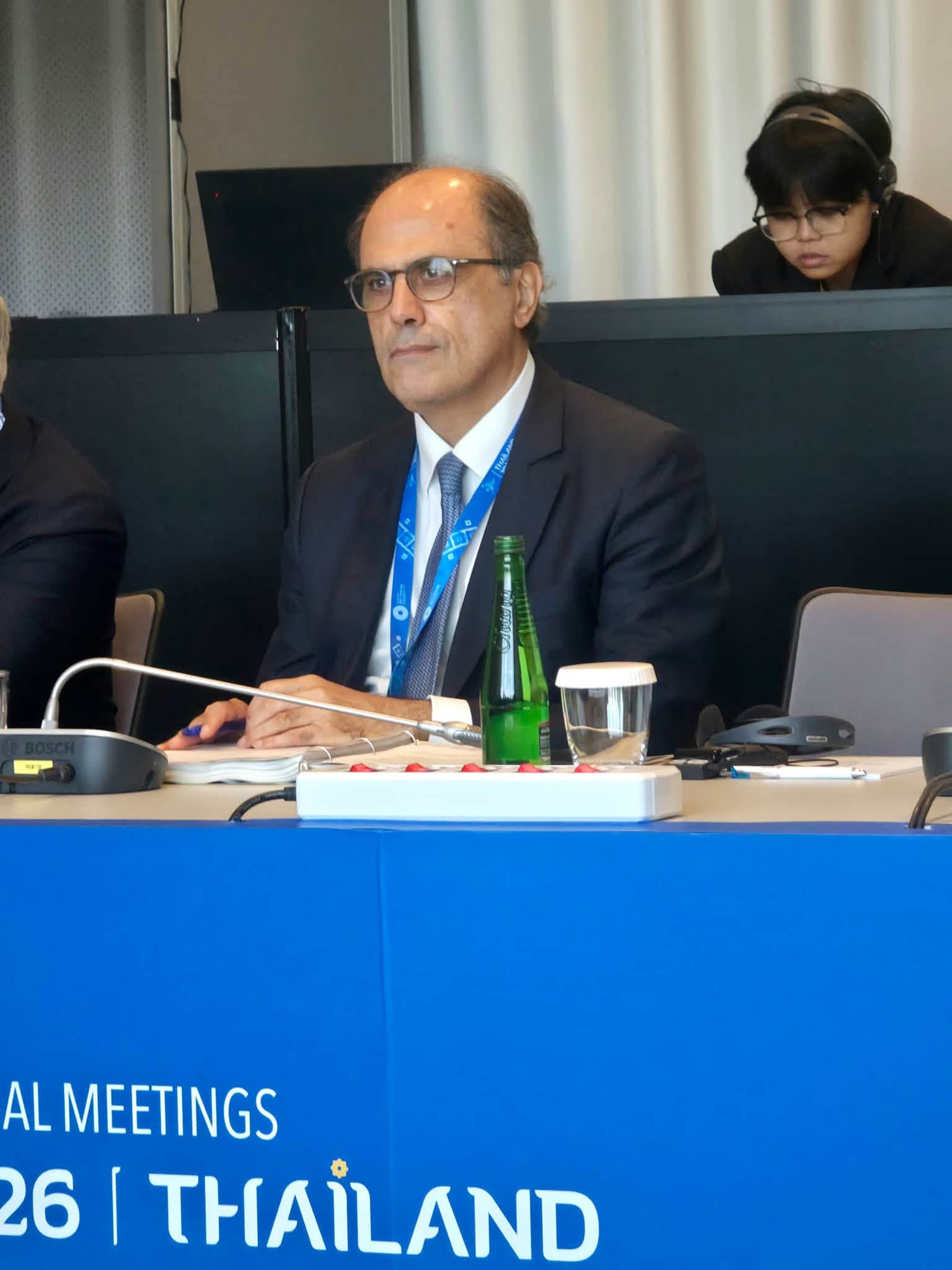
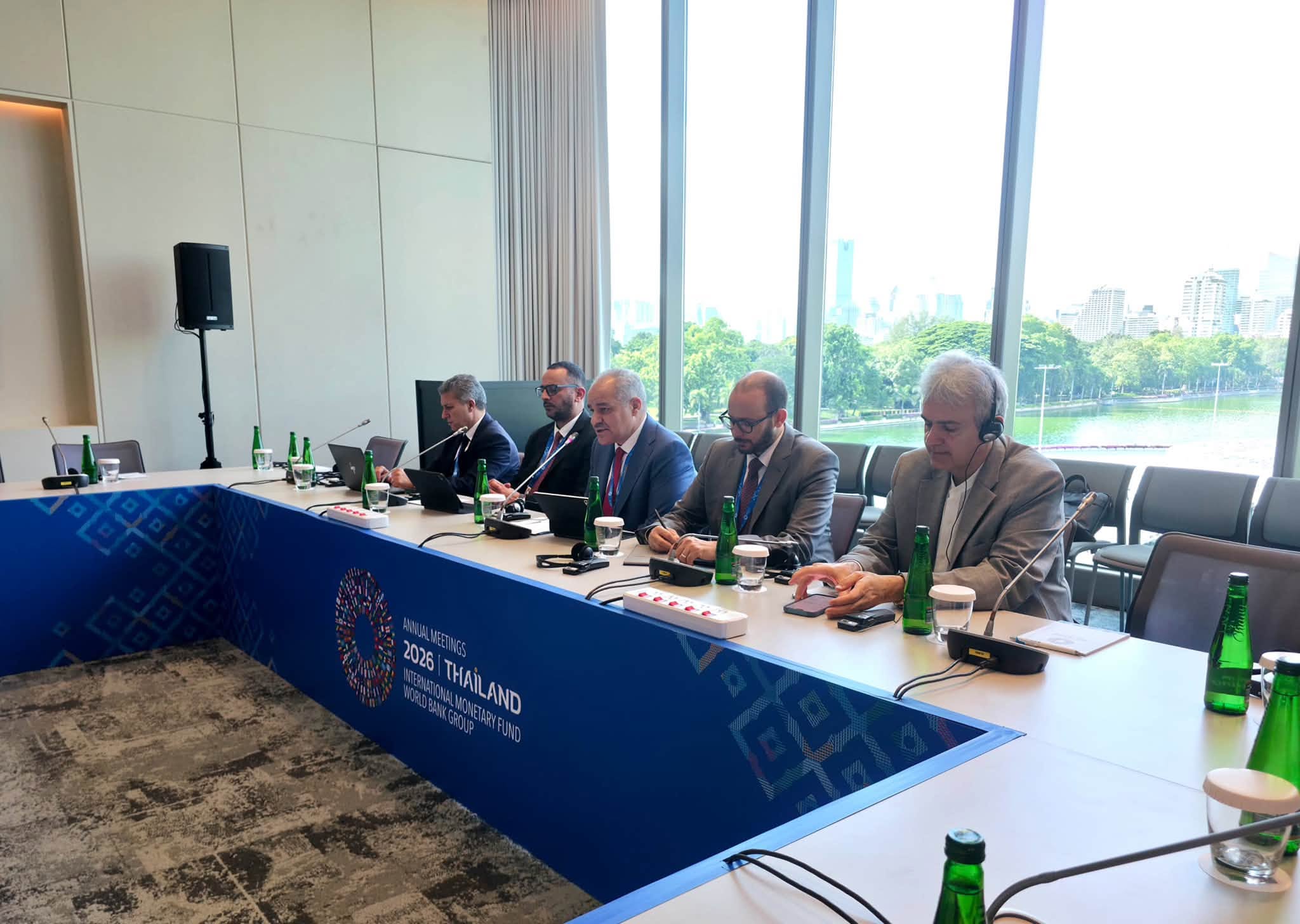
Governor of the Central Bank of Libya, H.E. Naji Mohamed Issa, met today, Monday, October 12, 2026, with Mr. Jihad Azour, Director of the Middle East and Central Asia Department at the International Monetary Fund (IMF). The meeting took place on the sidelines of the IMF and World Bank Annual Meetings held in Bangkok, Thailand.
The meeting addressed key macroeconomic indicators in Libya, as well as economic, financial, and monetary developments and the challenges facing the national economy. Discussions also covered efforts to strengthen monetary and financial stability and advance the economic reform process in coordination with relevant national institutions and international stakeholders.
The Governor highlighted the successes achieved by the Central Bank of Libya and the Libyan banking sector in bringing about a qualitative shift in electronic payments, achieving unprecedented expansion in the use of modern payment methods, and reaching record levels of financial inclusion. These achievements reflect the progress made in modernizing banking sector infrastructure and developing financial and banking services in line with international best practices.
Both sides explored ways to enhance cooperation with the IMF and to leverage its expertise and technical assistance and advisory programs to support the Central Bank of Libya’s efforts in addressing current economic challenges, developing monetary and fiscal policies, and strengthening the capabilities of Libyan economic and financial institutions. The meeting featured an in-depth discussion regarding the risks associated with continued, unchecked public spending; delays in addressing fuel subsidies and curbing smuggling; and the absence of necessary structural economic reforms. Participants highlighted the potential consequences of these issues, including exacerbated economic and financial imbalances, increased pressure on the Libyan dinar exchange rate, and the undermining of efforts to achieve economic and financial stability.
In this context, the importance of supporting the Central Bank of Libya in its reform process was emphasized, given its pivotal role in maintaining monetary and financial stability—particularly amidst a complex economic and institutional landscape. The discussion also underscored the need for integrated fiscal, monetary, and trade policies, as well as the adoption of serious reform measures to address structural imbalances and mitigate risks threatening the sustainability of the national economy.
For his part, Mr. Jihad Azour emphasized the importance of sustaining economic reform efforts and enhancing coordination among institutions responsible for economic policy. He stressed the need to safeguard the independence of the Central Bank of Libya and support its efforts to achieve monetary and financial stability and reduce accumulated imbalances, thereby helping to shield the Libyan economy from future challenges and risks.