Governor of the Central Bank of Libya Holds Meetings with Major International Financial Institutions and Banks in London


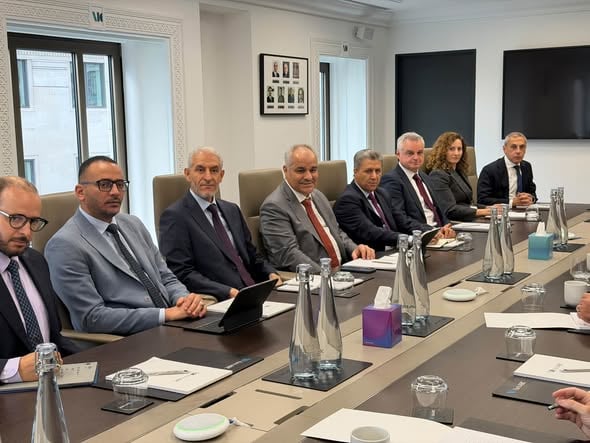
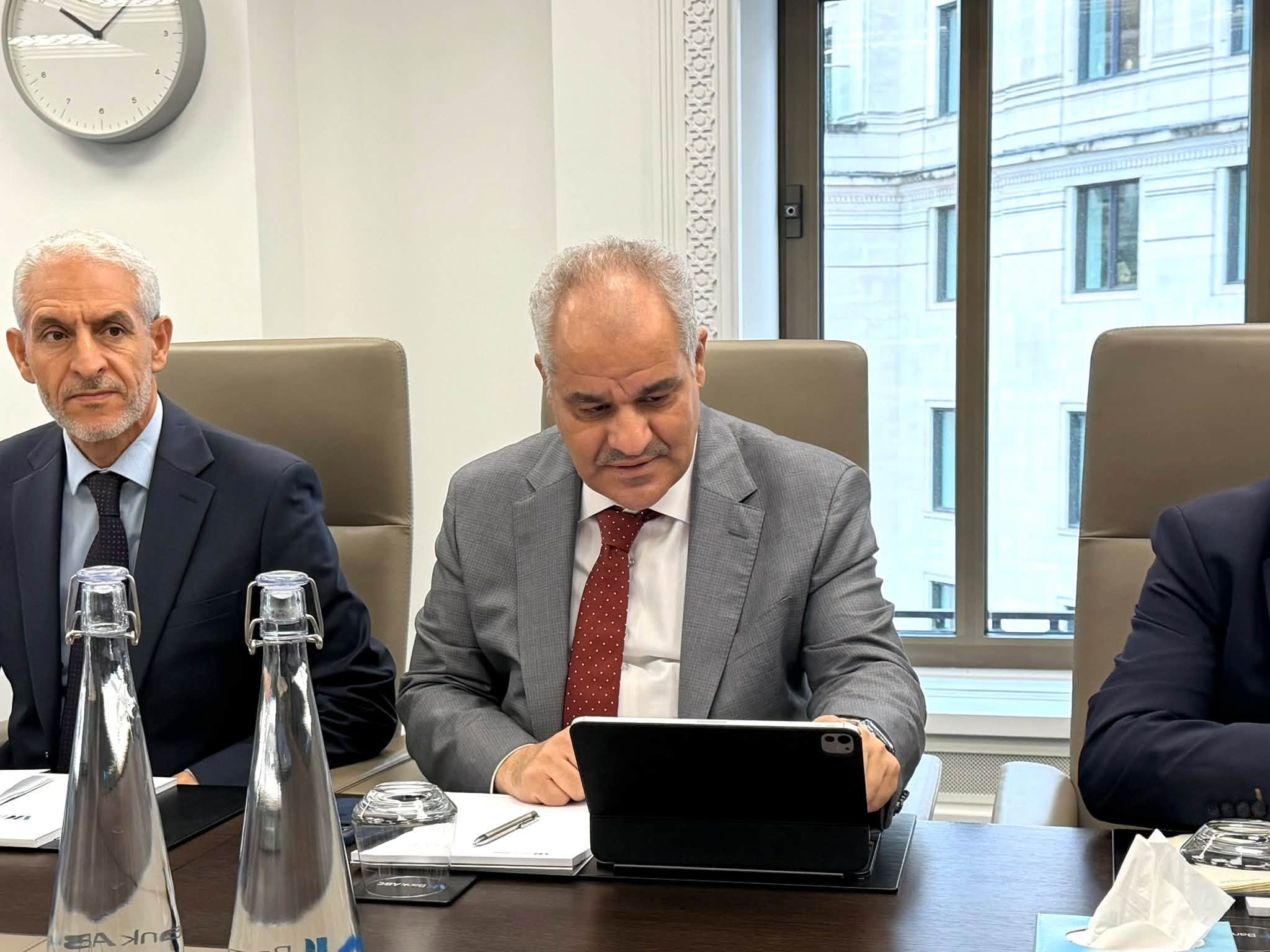
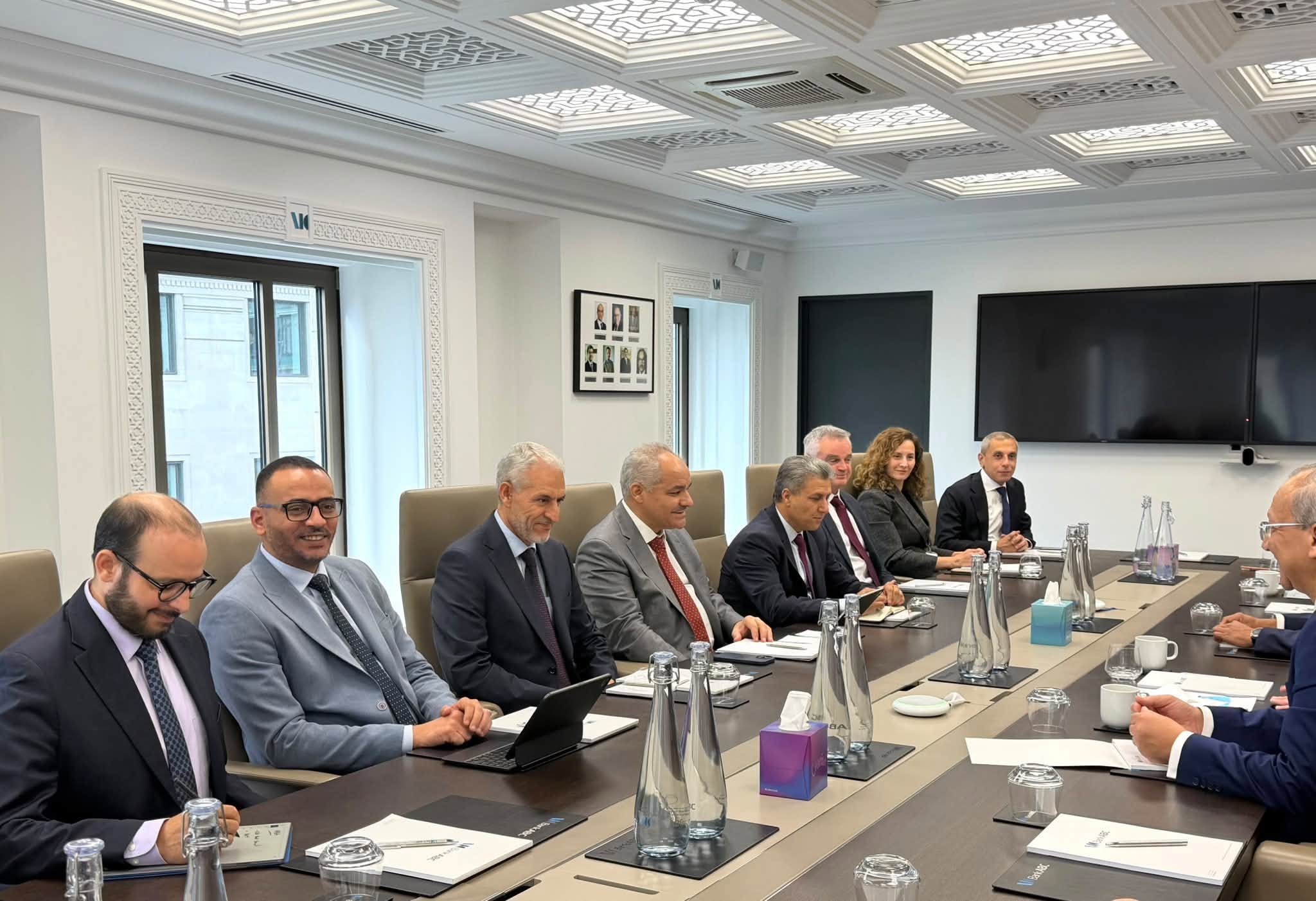
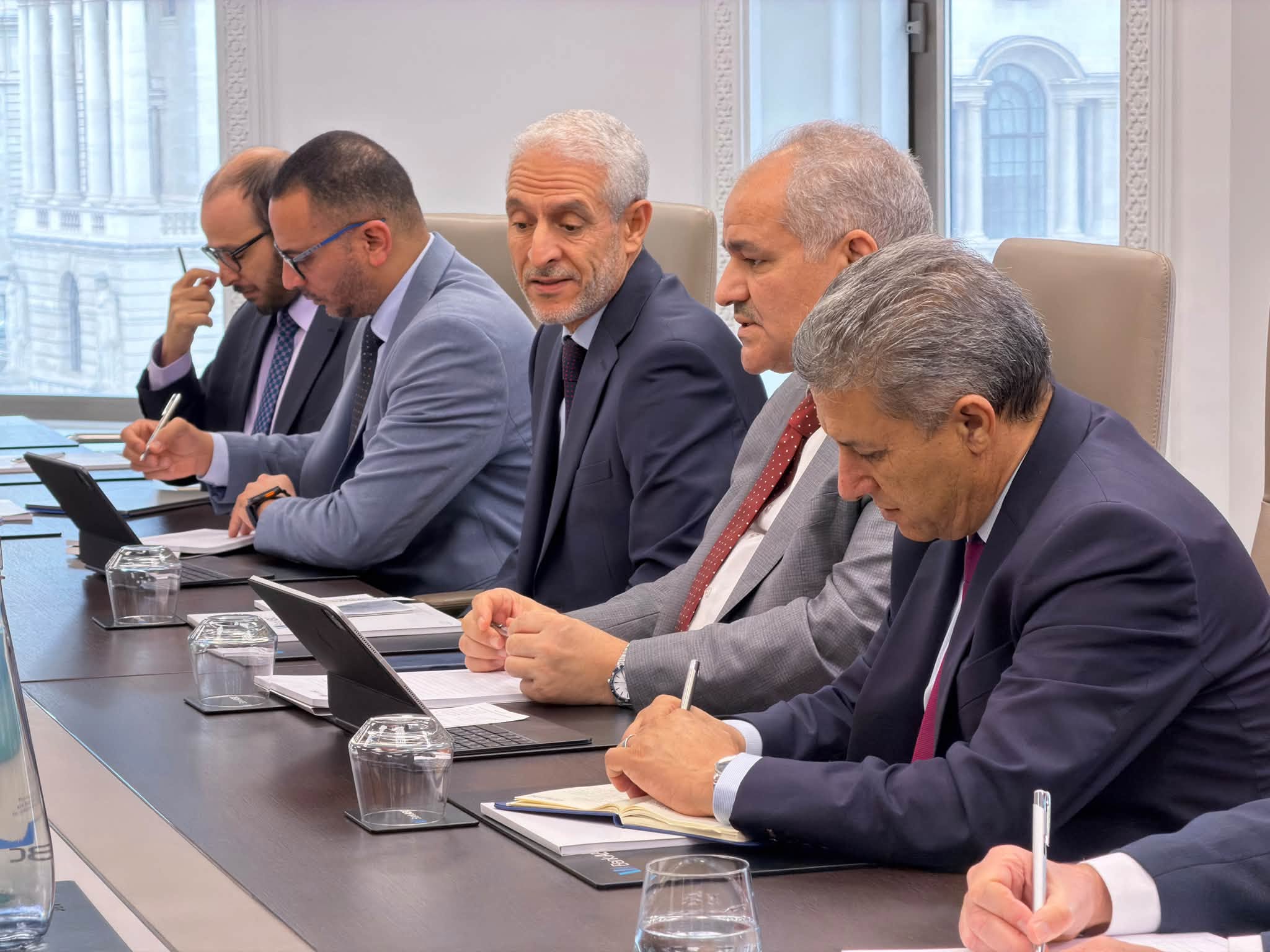
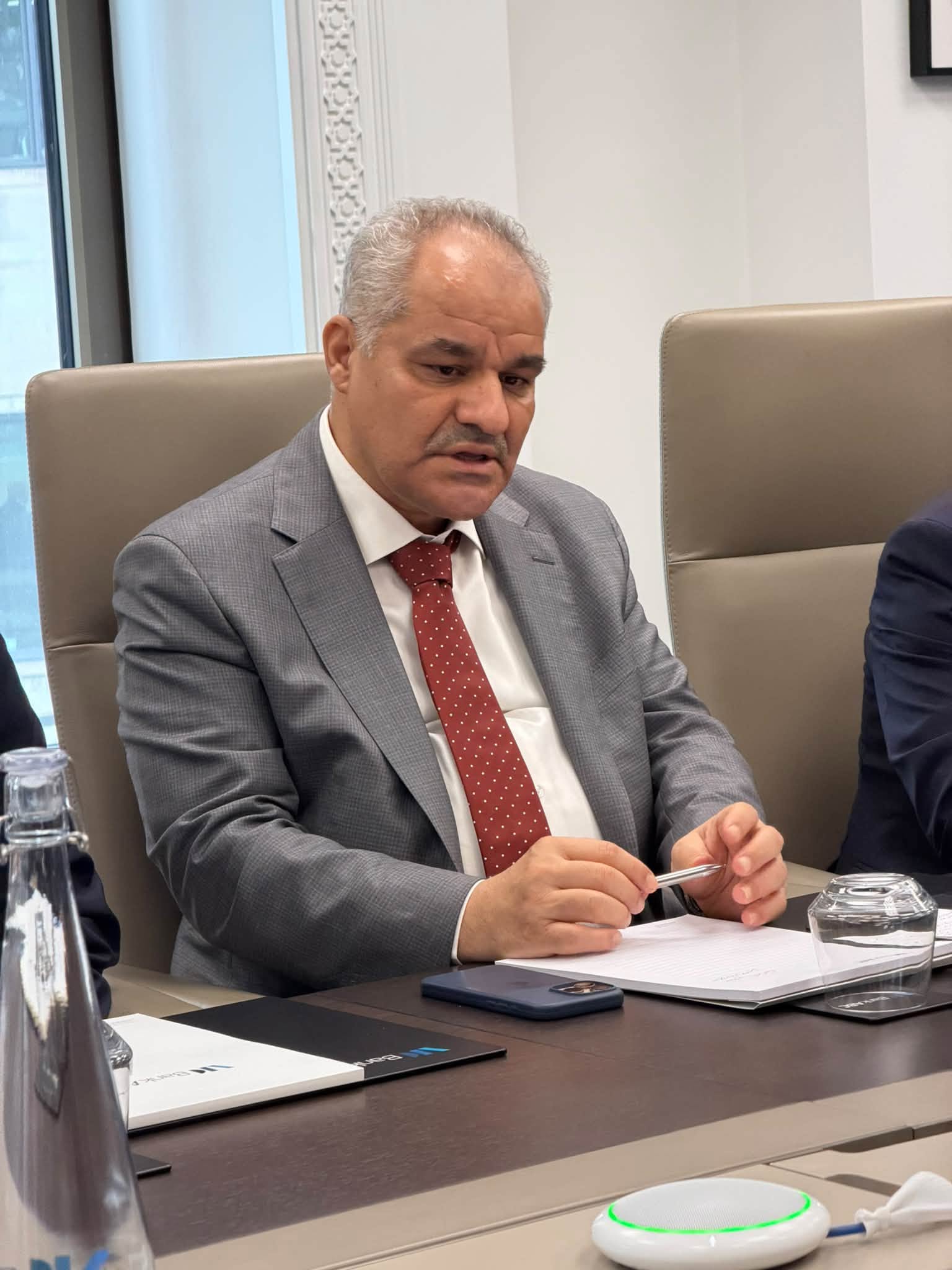
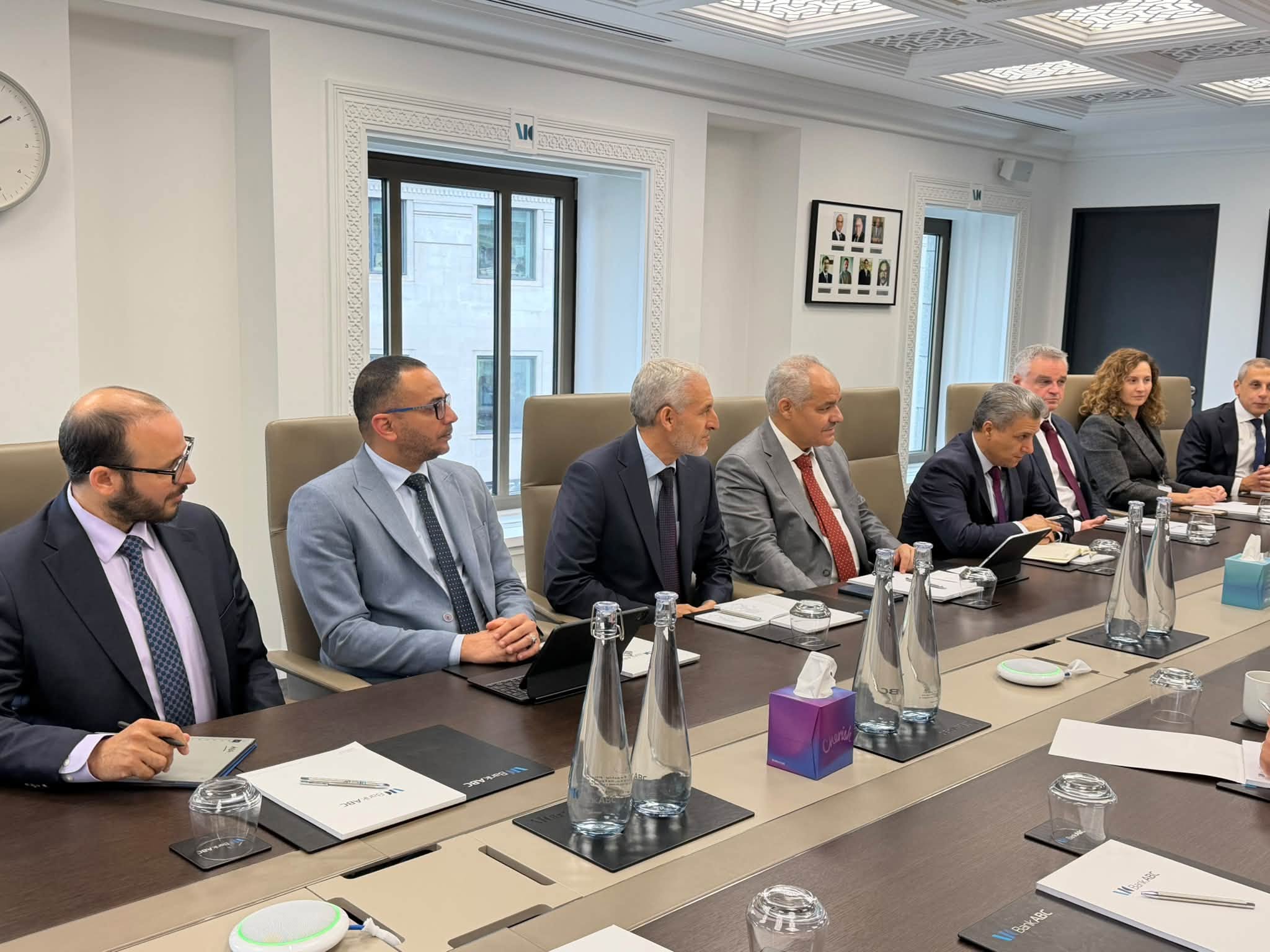
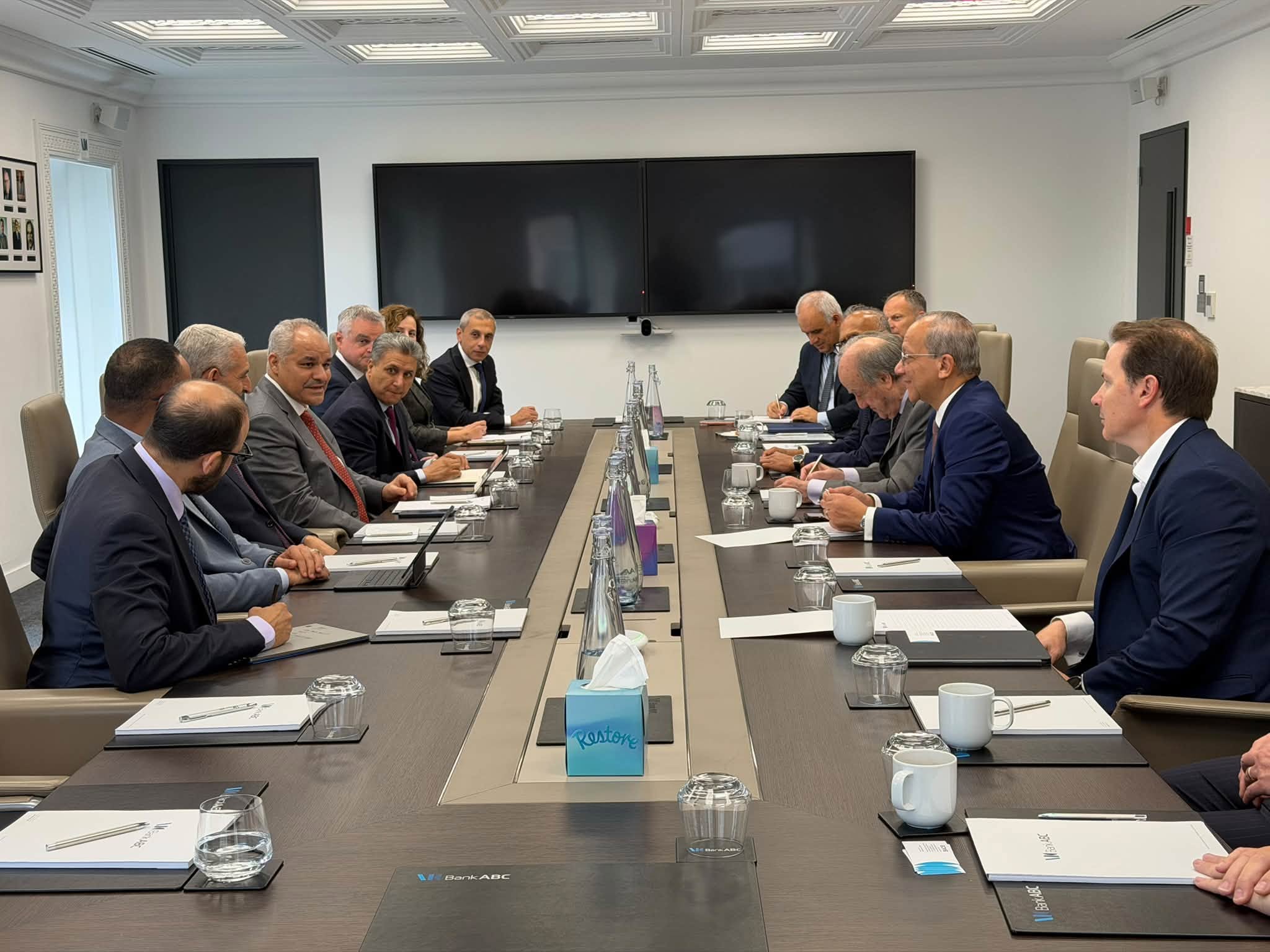
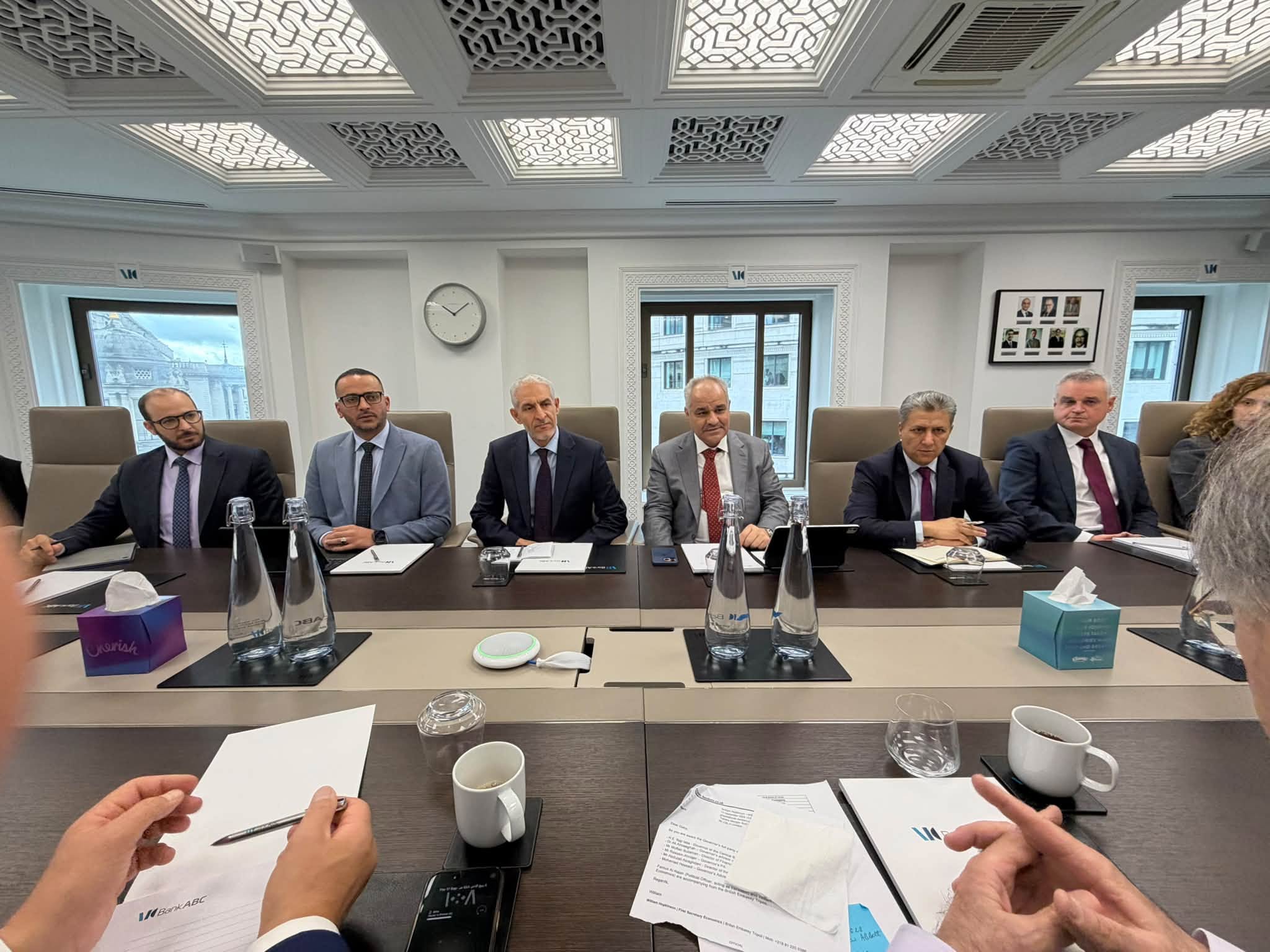
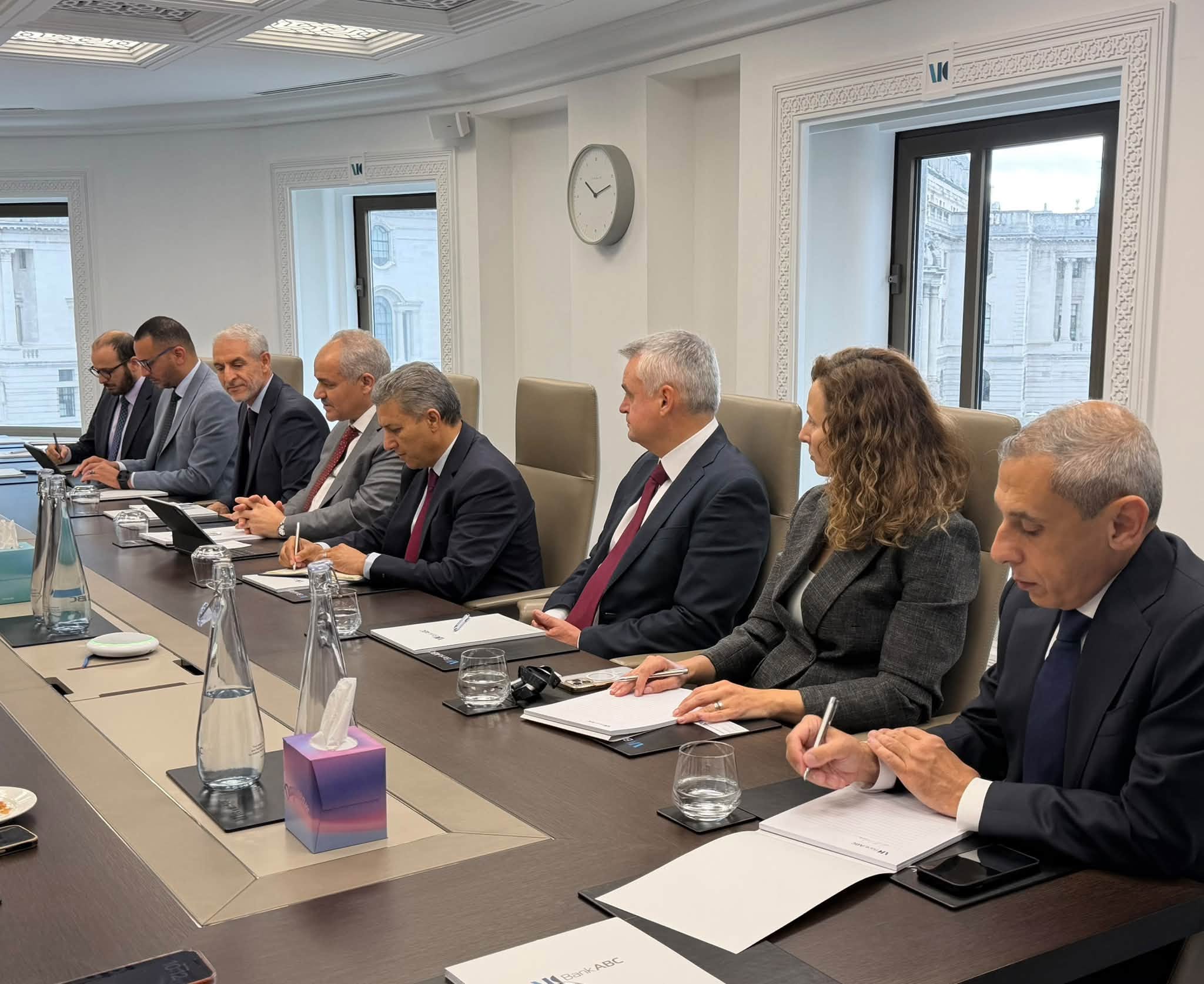
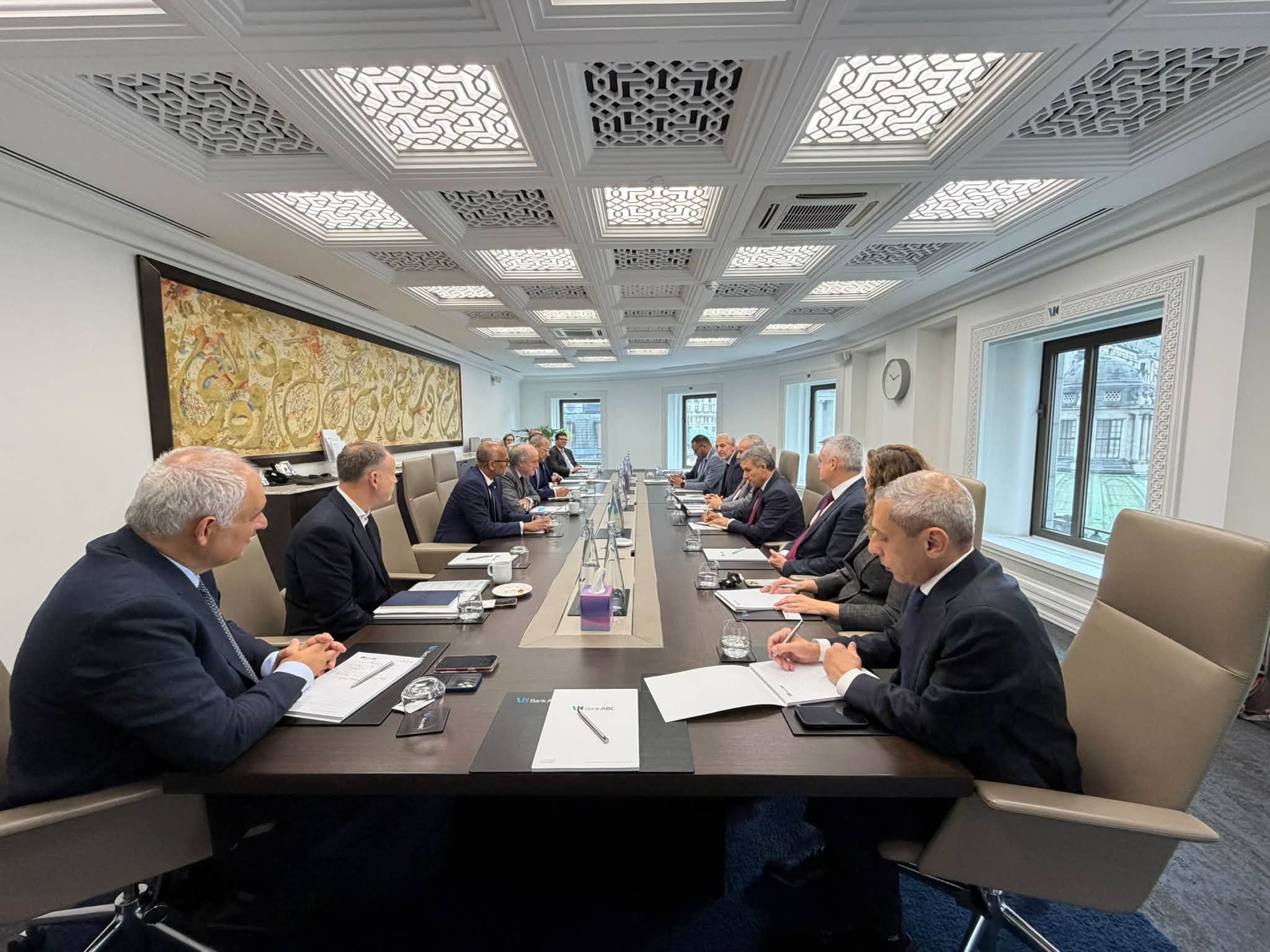
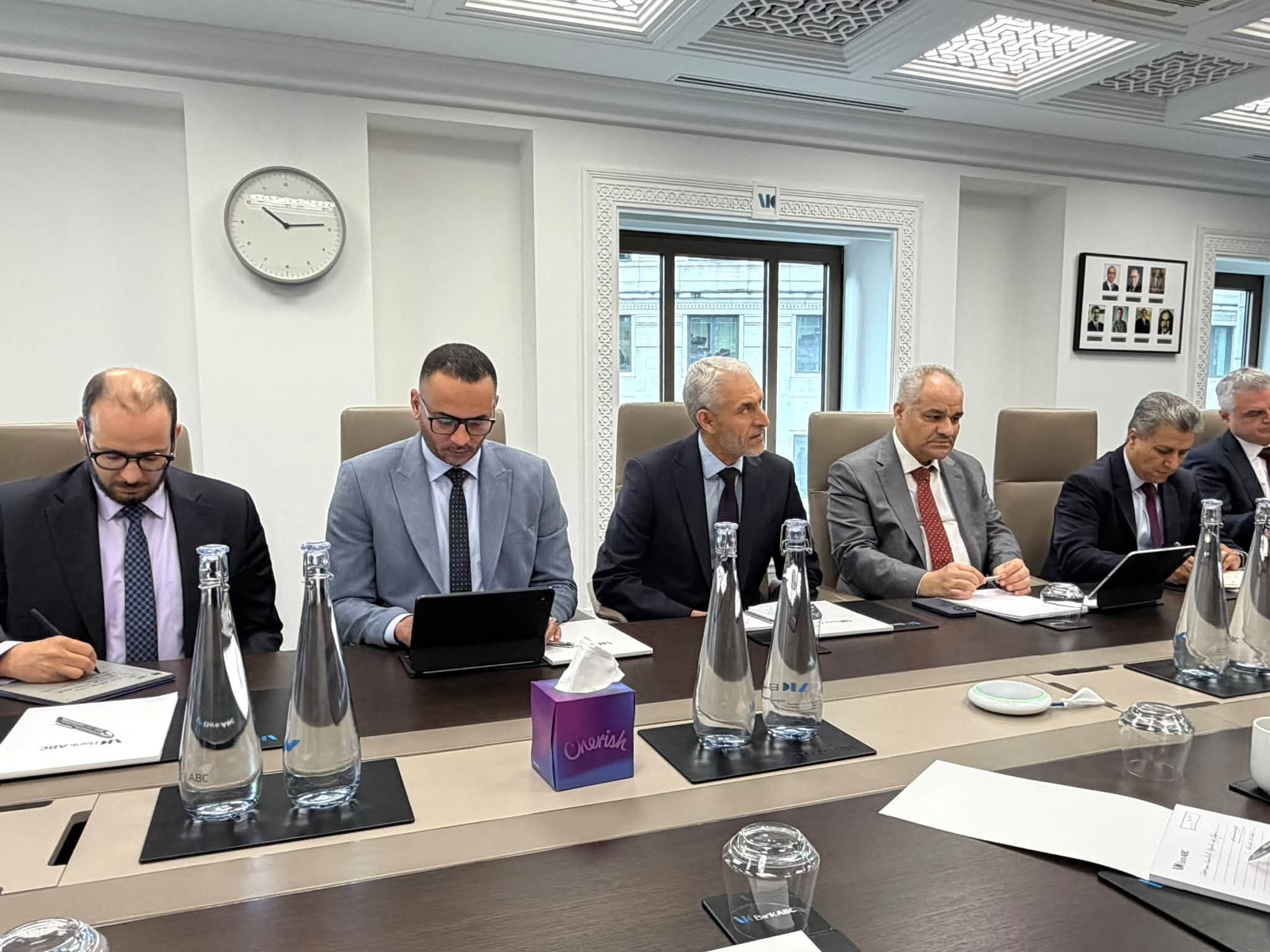
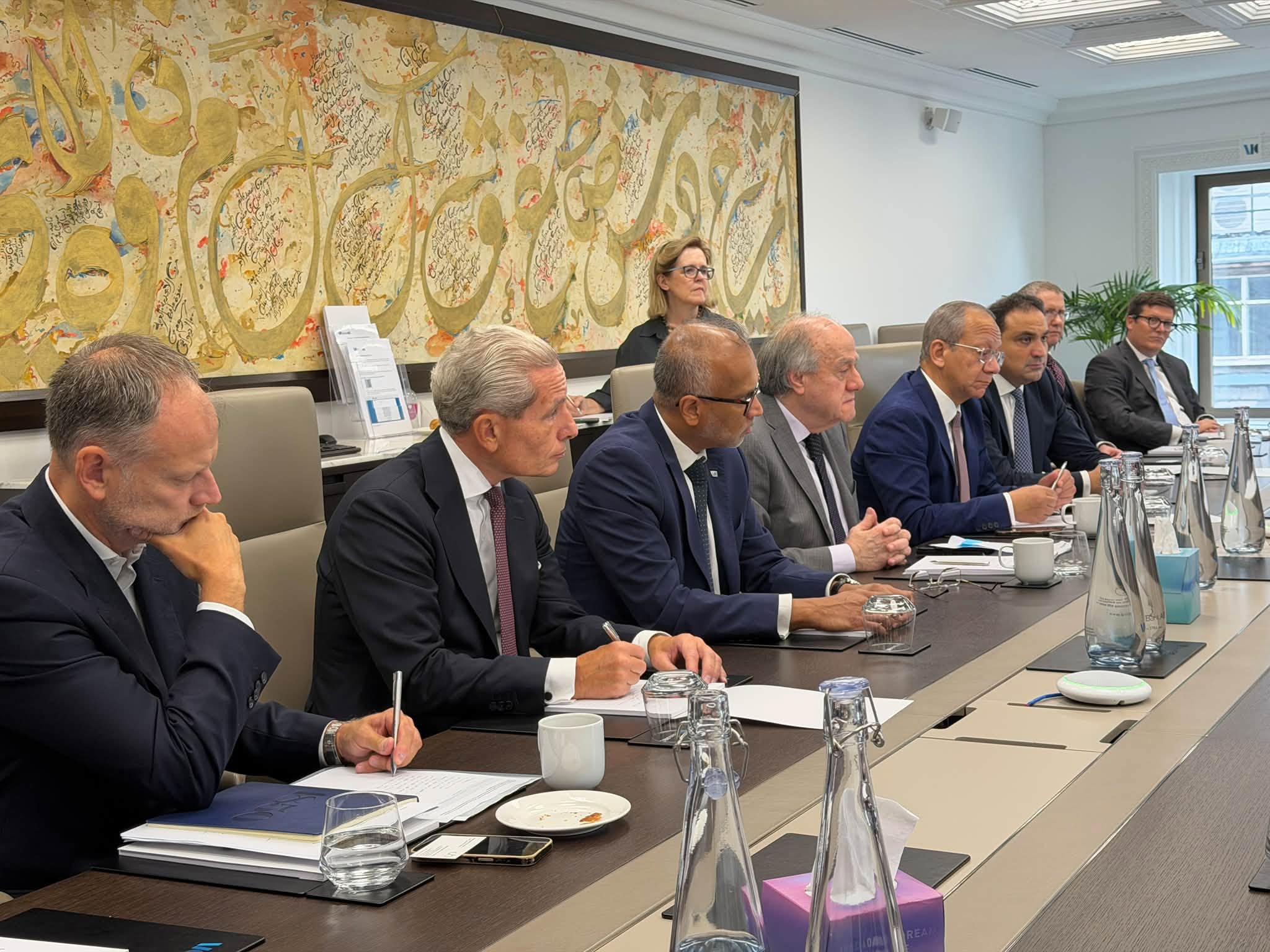
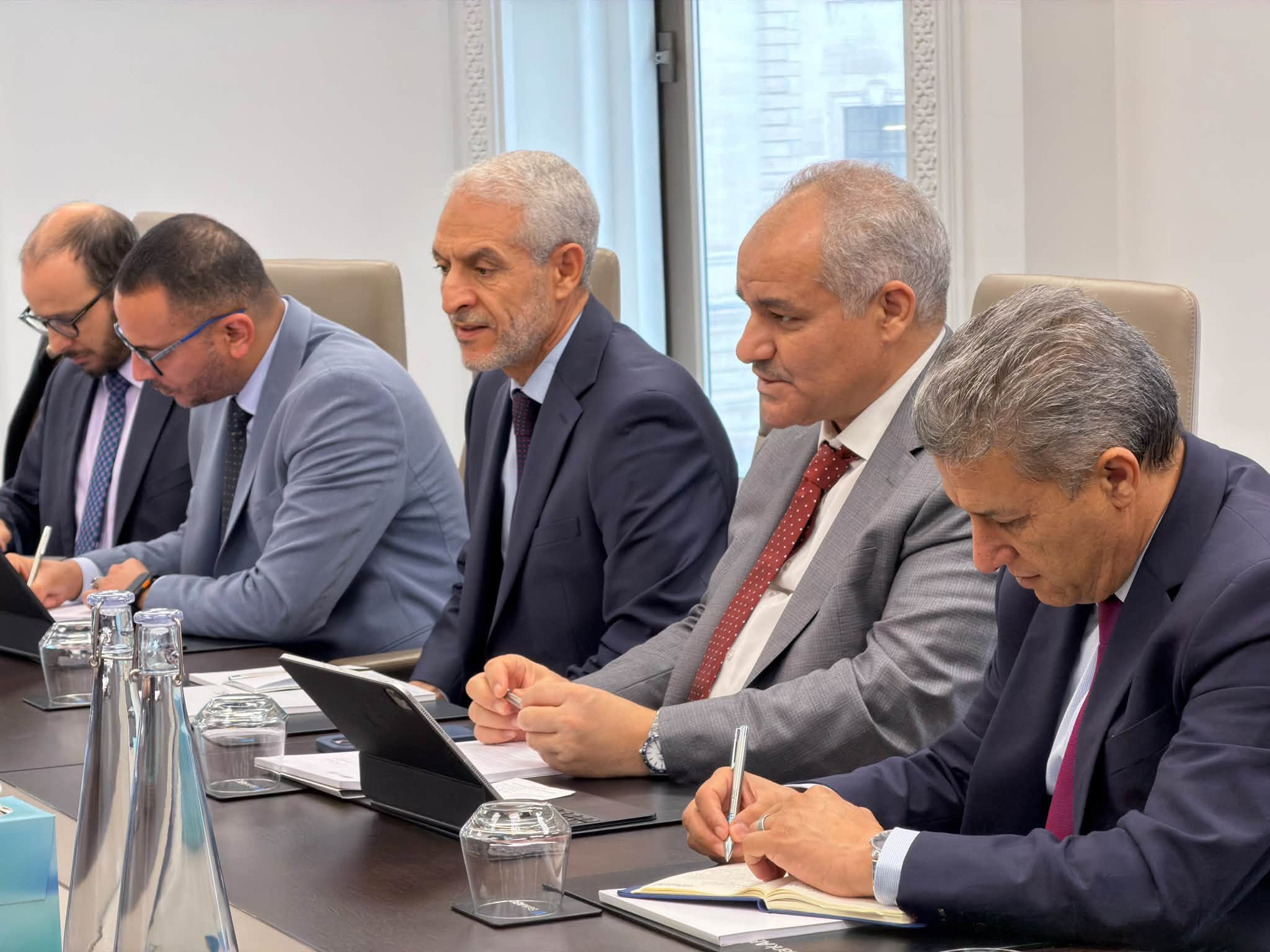
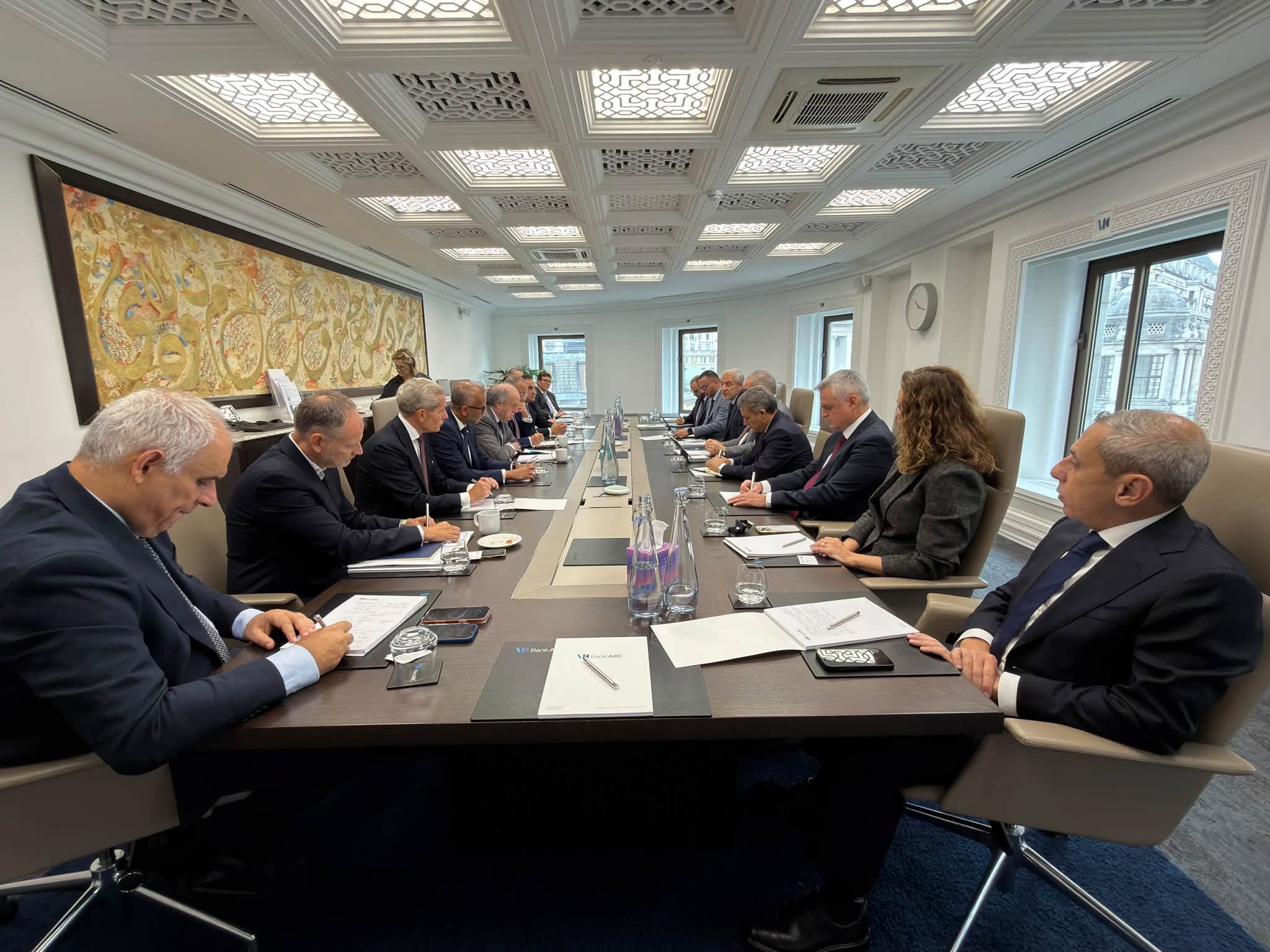
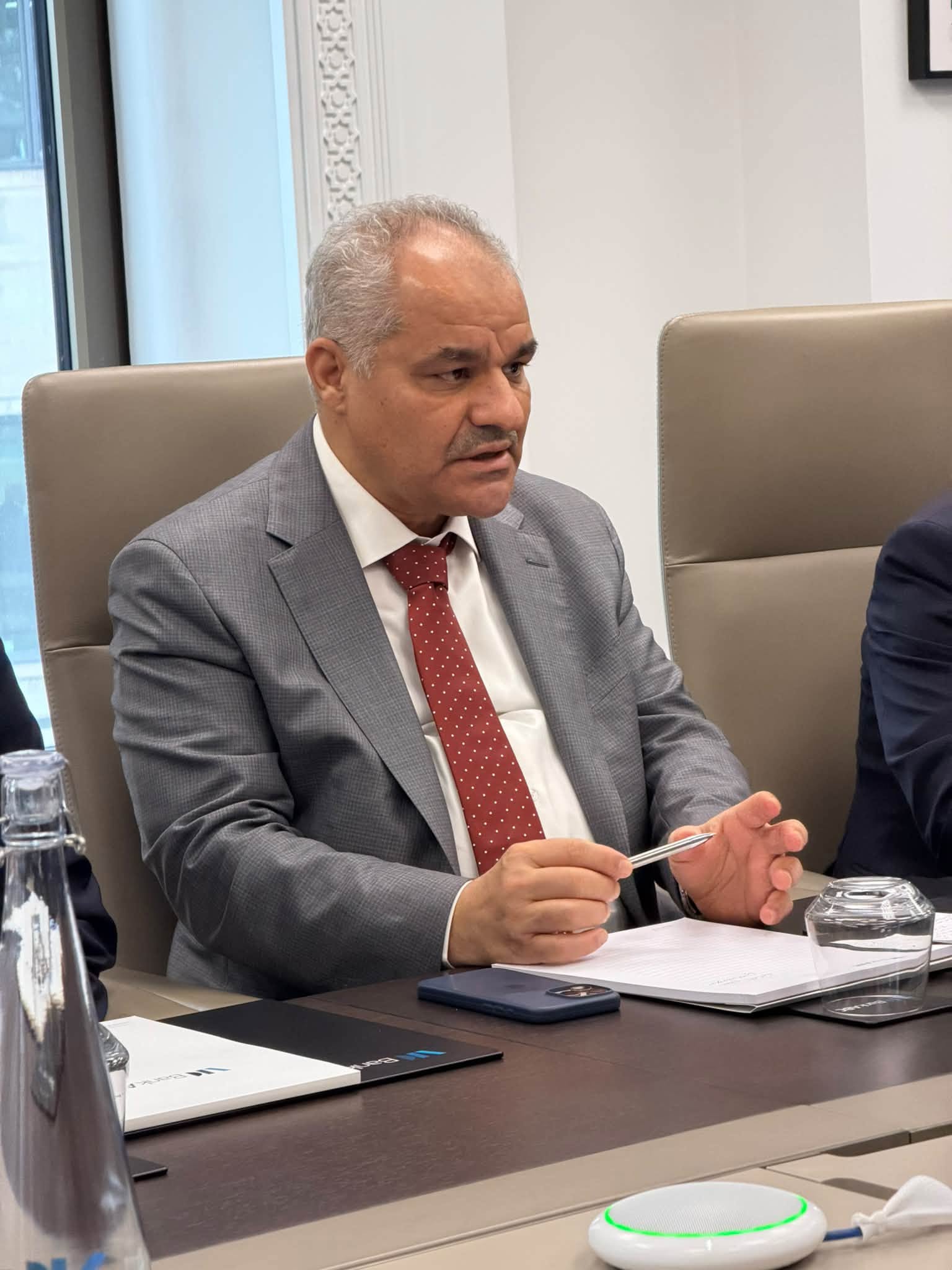
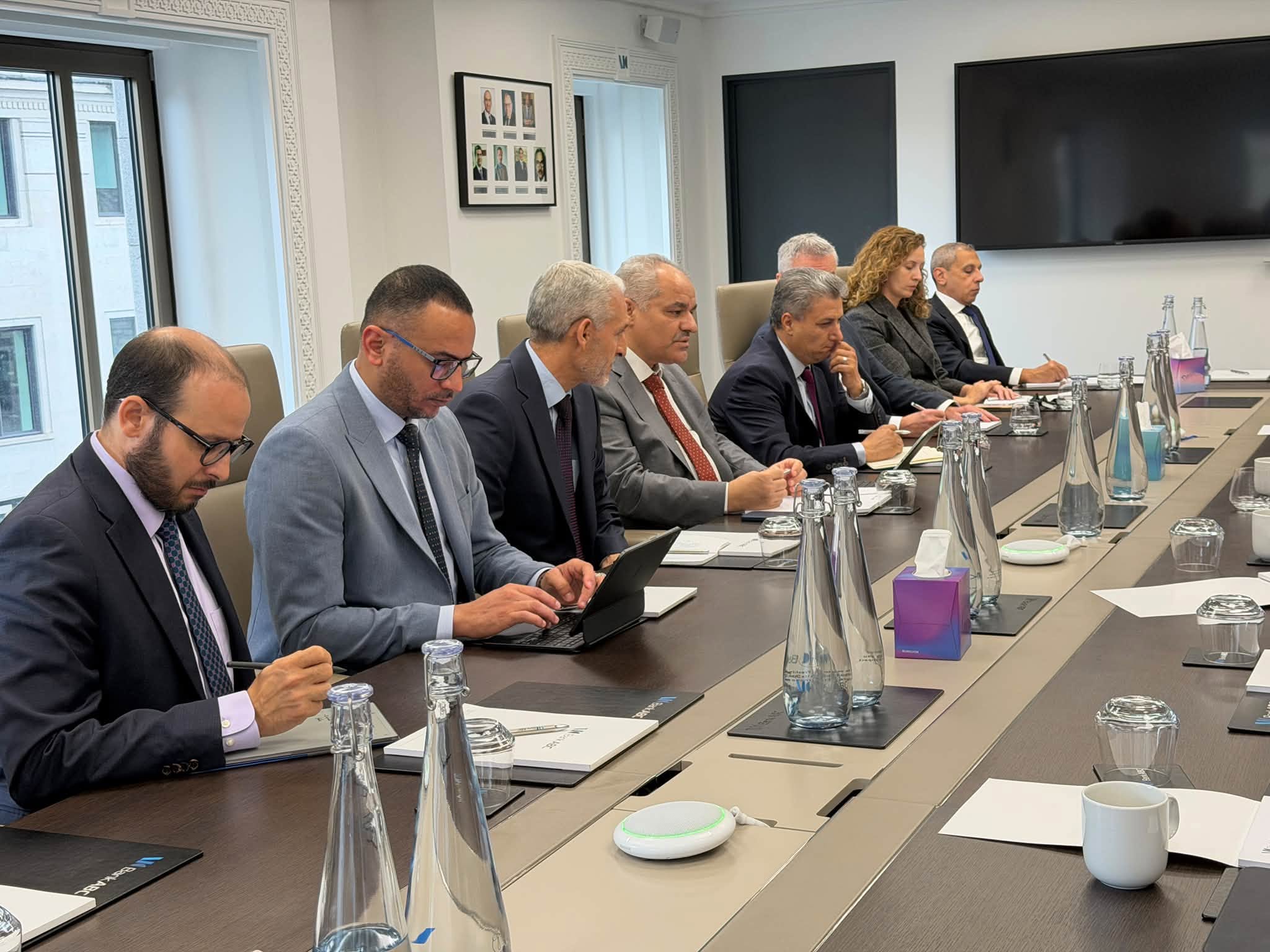
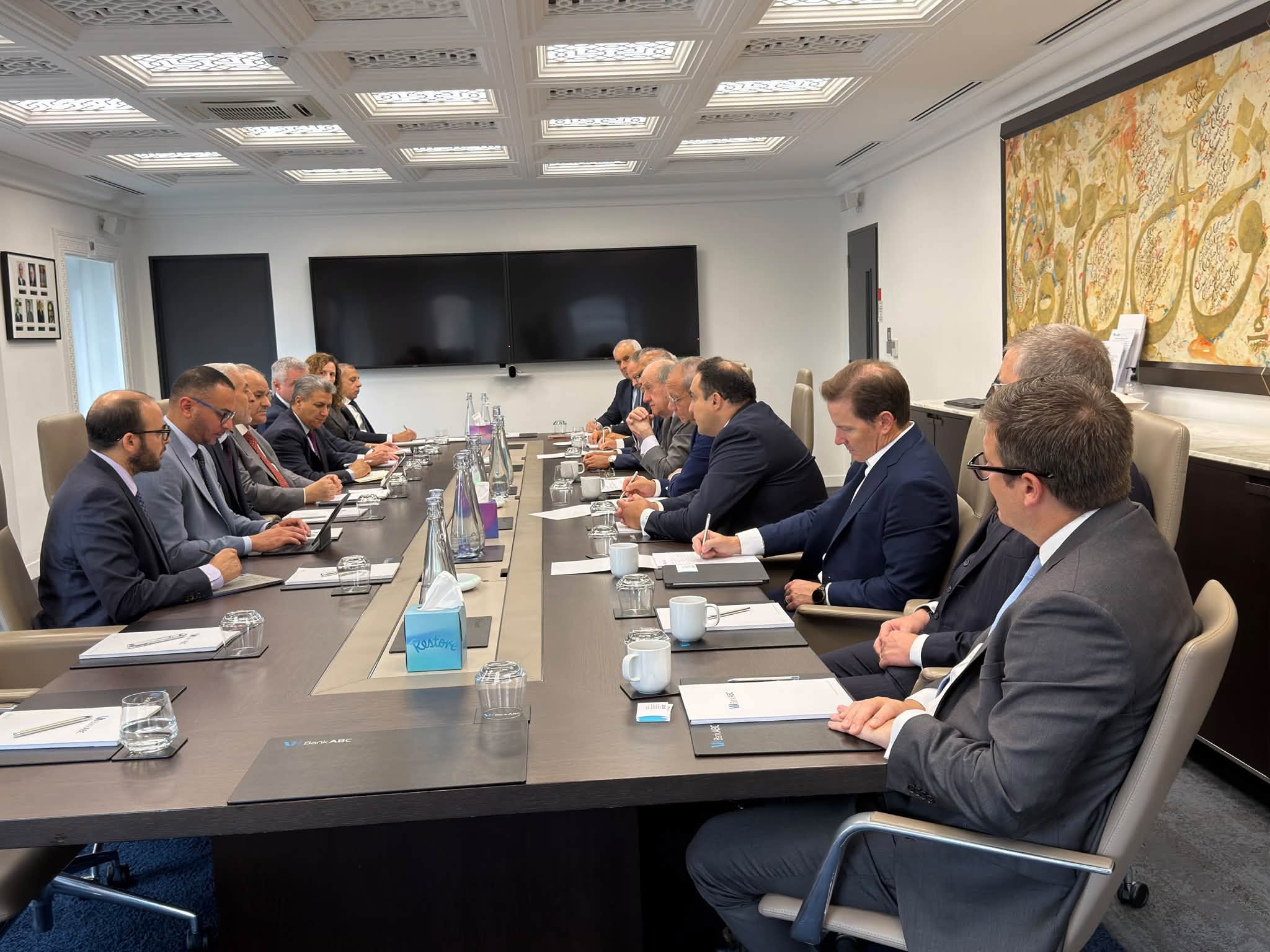
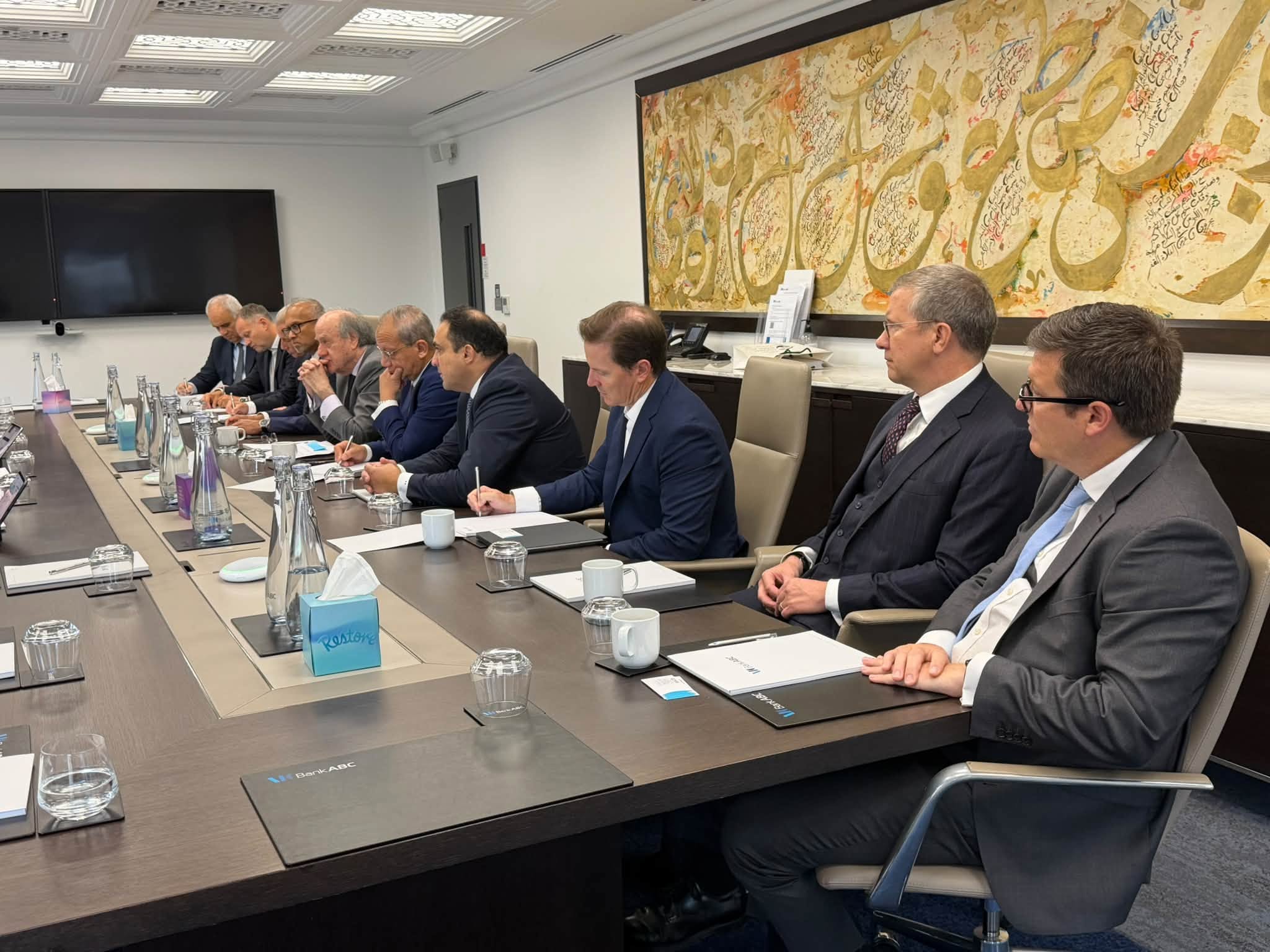
As part of efforts to strengthen ties with international financial and banking institutions and expand the horizons of banking and financial cooperation, the Governor of the Central Bank of Libya, H.E. Naji Mohammed Issa, and his accompanying delegation held an extensive meeting in London with representatives from major Arab, regional, and international financial and banking institutions. The meeting was attended by the Arab Bankers Association in London.
Participating institutions included Qatar National Bank (QNB), Arab National Bank, Arab-European Bank, Bank of New York Mellon (BNY), İş Bank (Turkey), Morgan Stanley, Bank ABC (Arab Banking Corporation), British Arab Commercial Bank (BACB), National Bank of Egypt, Bank of Beirut, and Pan Orient Bank.
The discussions covered recent developments in the Libyan banking sector and the Central Bank of Libya’s efforts to implement a comprehensive reform and development program. Key topics included enhancing monetary and financial stability and upgrading the quality and efficiency of banking services to align with internationally recognized standards and practices.
The Governor also highlighted recent achievements in modernizing the banking sector and driving digital transformation. He outlined the rapid evolution of Libya’s payment systems, noting the expanded use of electronic payment methods and instant transfers, the development of payment infrastructure and financial connectivity projects, and the “Ratibak Lahzi” (Instant Salary) initiative, all of which contribute to improving financial service efficiency and fostering financial inclusion.
Furthermore, the meeting addressed the Central Bank of Libya’s initiatives to modernize governance, compliance, and risk management frameworks, enhance the efficiency of commercial banks, and develop banking products and services, thereby strengthening the sector’s ability to keep pace with developments in the global banking and financial industry. Discussions also covered prospects for developing relations between Libyan banks and financial institutions and their international counterparts, as well as strengthening correspondent banking channels and international financial transactions. Furthermore, the exchange of expertise and experience in areas such as risk management, financial stability, compliance, and modern financial technologies was addressed to support the Libyan banking sector’s integration with global financial institutions.
The Governor emphasized the high priority the Central Bank of Libya places on developing relationships with international financial and banking institutions and leveraging global expertise to support the reform and development process. He noted that building a modern, efficient banking sector is a cornerstone for fostering economic and financial stability, improving the business environment, boosting confidence in the financial and banking system, and supporting economic and commercial activity in Libya.