Governor of the Central Bank of Libya Participates in the Annual Meeting of the Council of Arab Central Bank Governors and Monetary Authorities


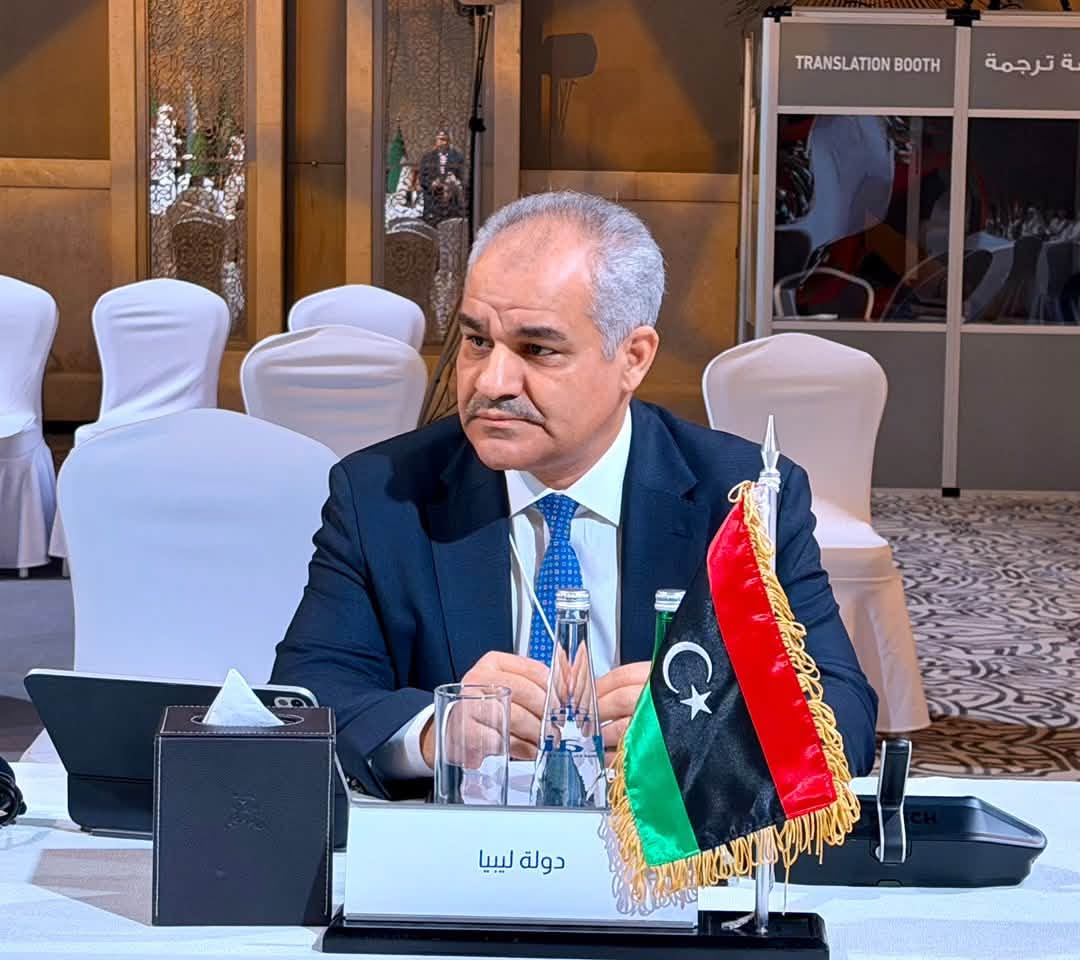
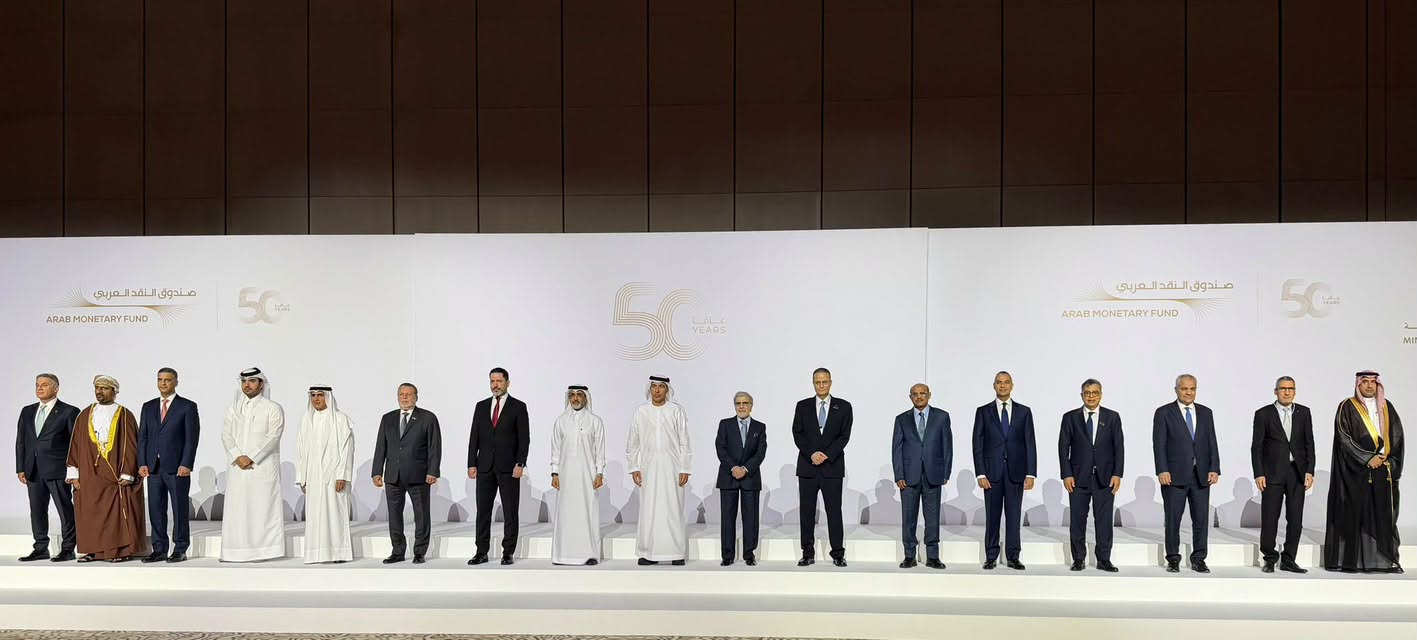
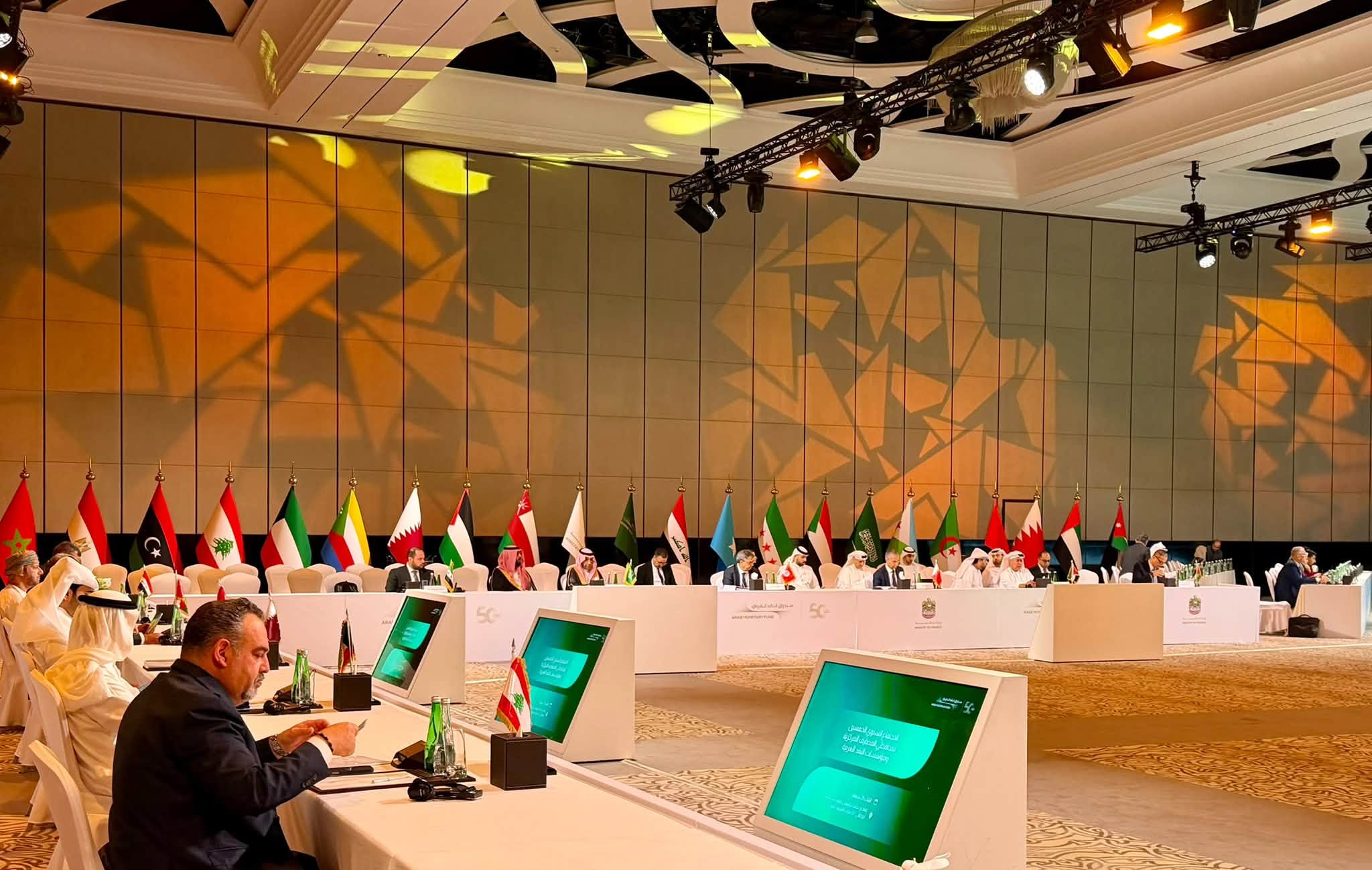
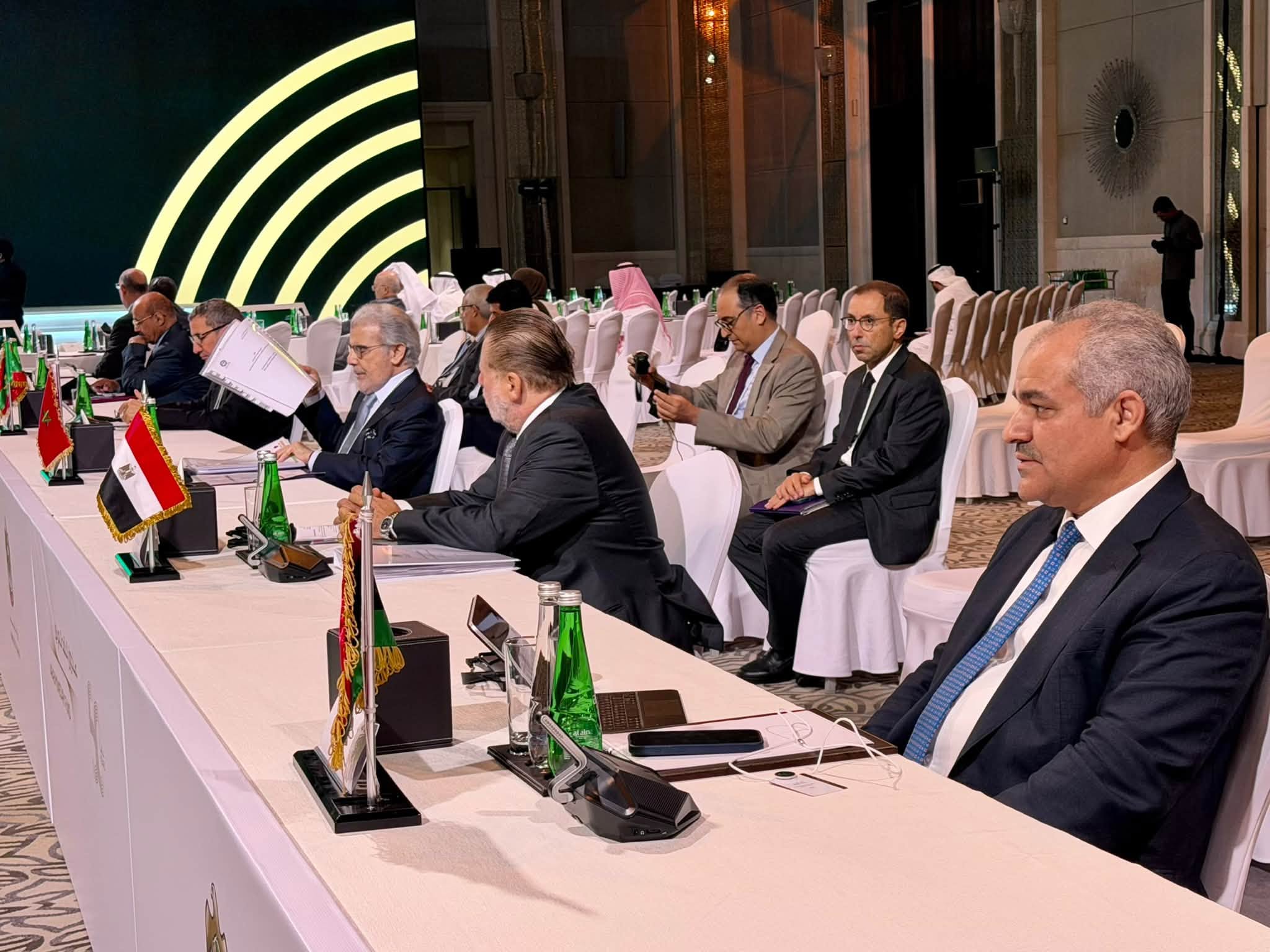
H.E. Naji Mohammed Issa, Governor of the Central Bank of Libya, participated, Tuesday, September 29, 2026, in the 50th session of the Council of Arab Central Bank Governors and Monetary Authorities. Held in Abu Dhabi, UAE, the meeting brought together governors of central banks and monetary authorities from across the Arab world and was organized under the auspices of the Arab Monetary Fund.
The meeting addressed key regional and international economic and financial developments, as well as the challenges facing Arab economies amidst current geopolitical shifts. Discussions also focused on ways to enhance monetary and financial stability, develop the banking sector, support digital transformation and financial inclusion, and improve the efficiency of payment systems and Arab financial markets.
Furthermore, the meeting explored avenues for strengthening cooperation and coordination among Arab central banks and monetary authorities, and for enhancing joint efforts with international financial institutions—foremost among them the International Monetary Fund (IMF) and the World Bank. These efforts aim to bolster the resilience of Arab economies against shocks and foster stability and sustainable growth.
The governors also deliberated on priority issues proposed for inclusion in the 2026 Unified Arab Statement to the IMF and the World Bank. These priorities include increasing financial and technical support for Arab nations, developing local capital markets, supporting digital transformation and sustainable finance, building capacity, and enhancing the representation of Arab countries and professionals within international financial institutions. The proceedings of the Council’s fiftieth session coincide with the fiftieth anniversary of the Arab Monetary Fund’s establishment, reflecting a long-standing journey of Arab monetary and financial cooperation and the Fund’s role in supporting efforts toward economic stability and development in Arab countries.