Governor of the Central Bank of Libya Participates in the Plenary Session of the IMF and World Bank Annual Meetings


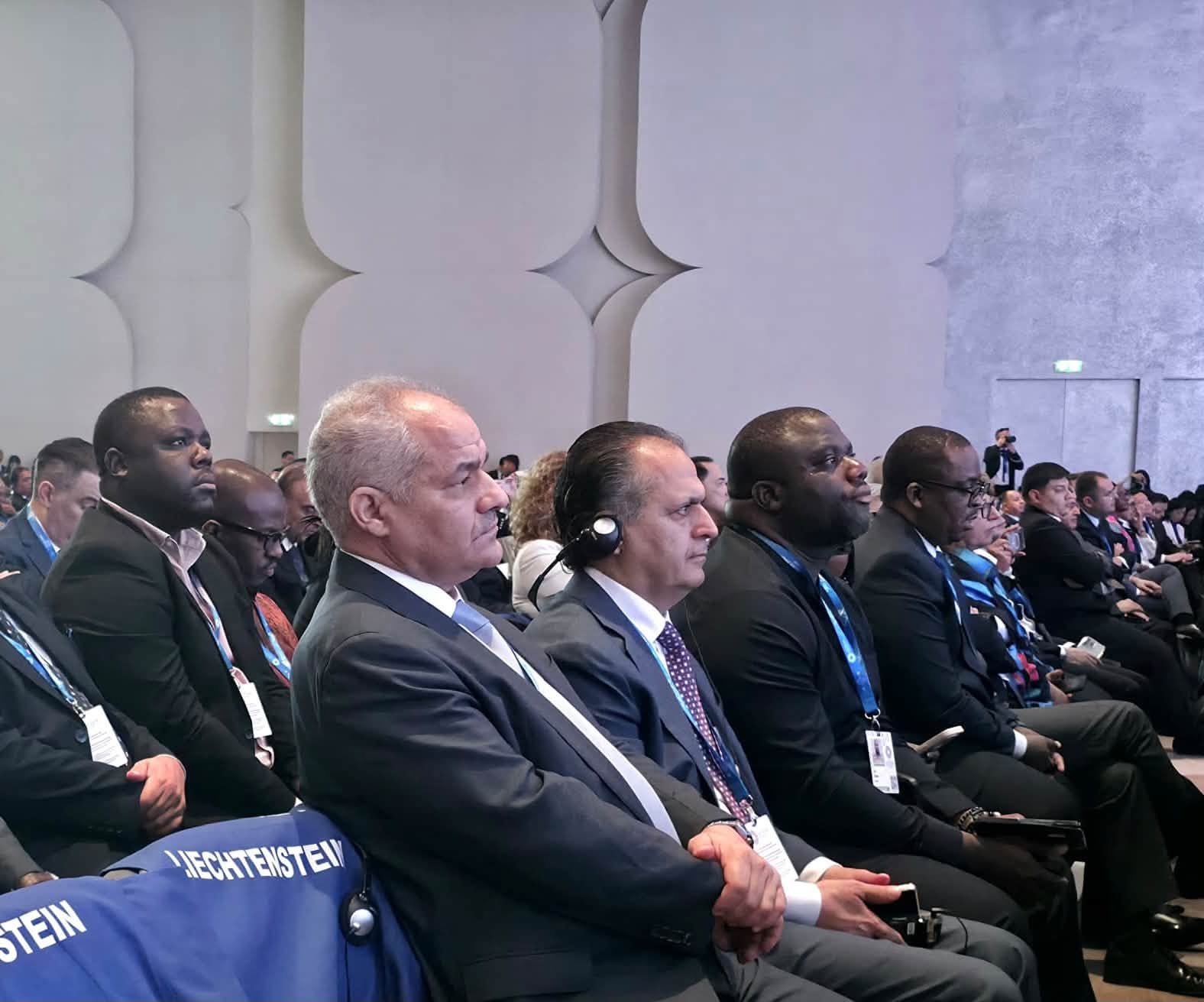
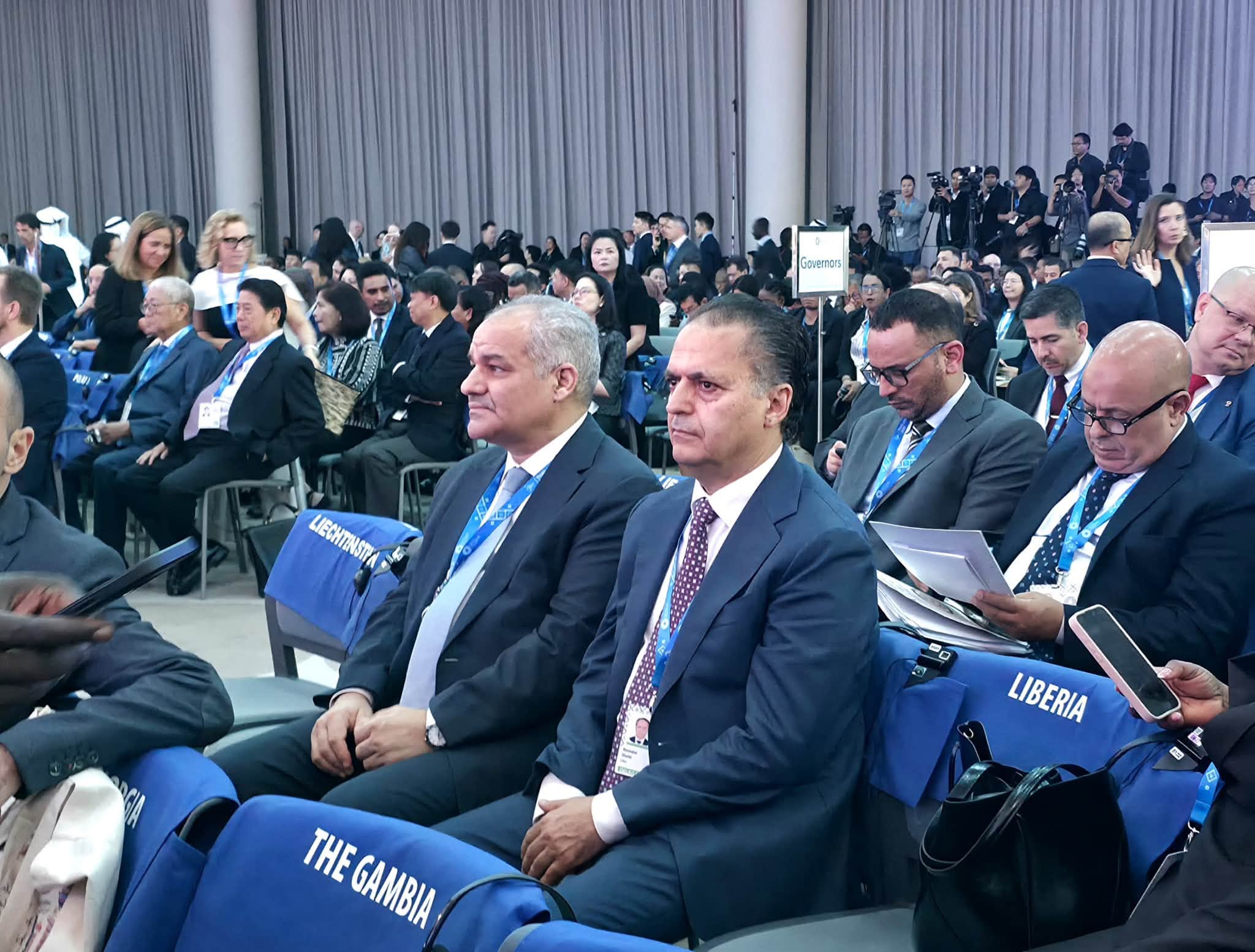
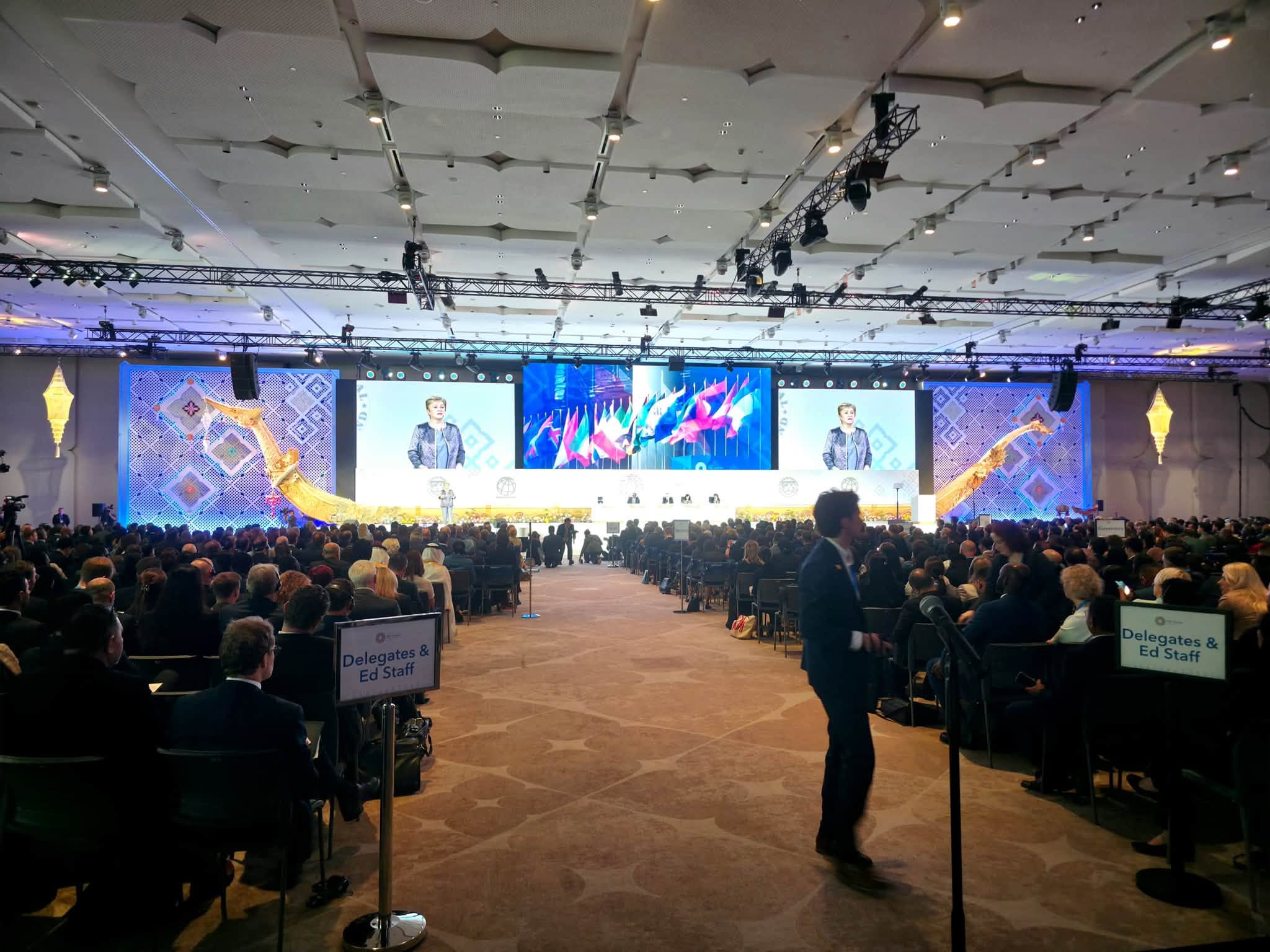
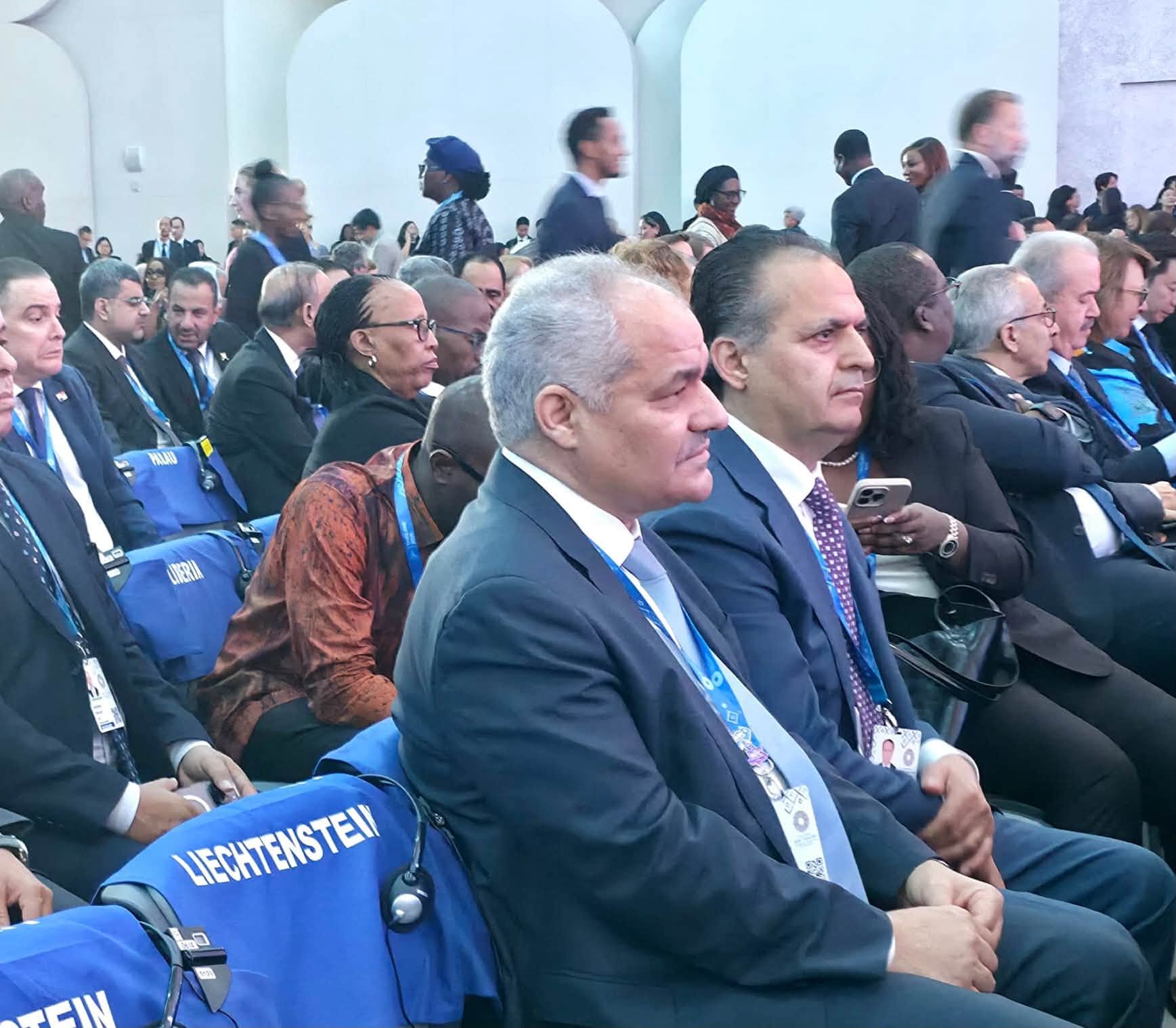
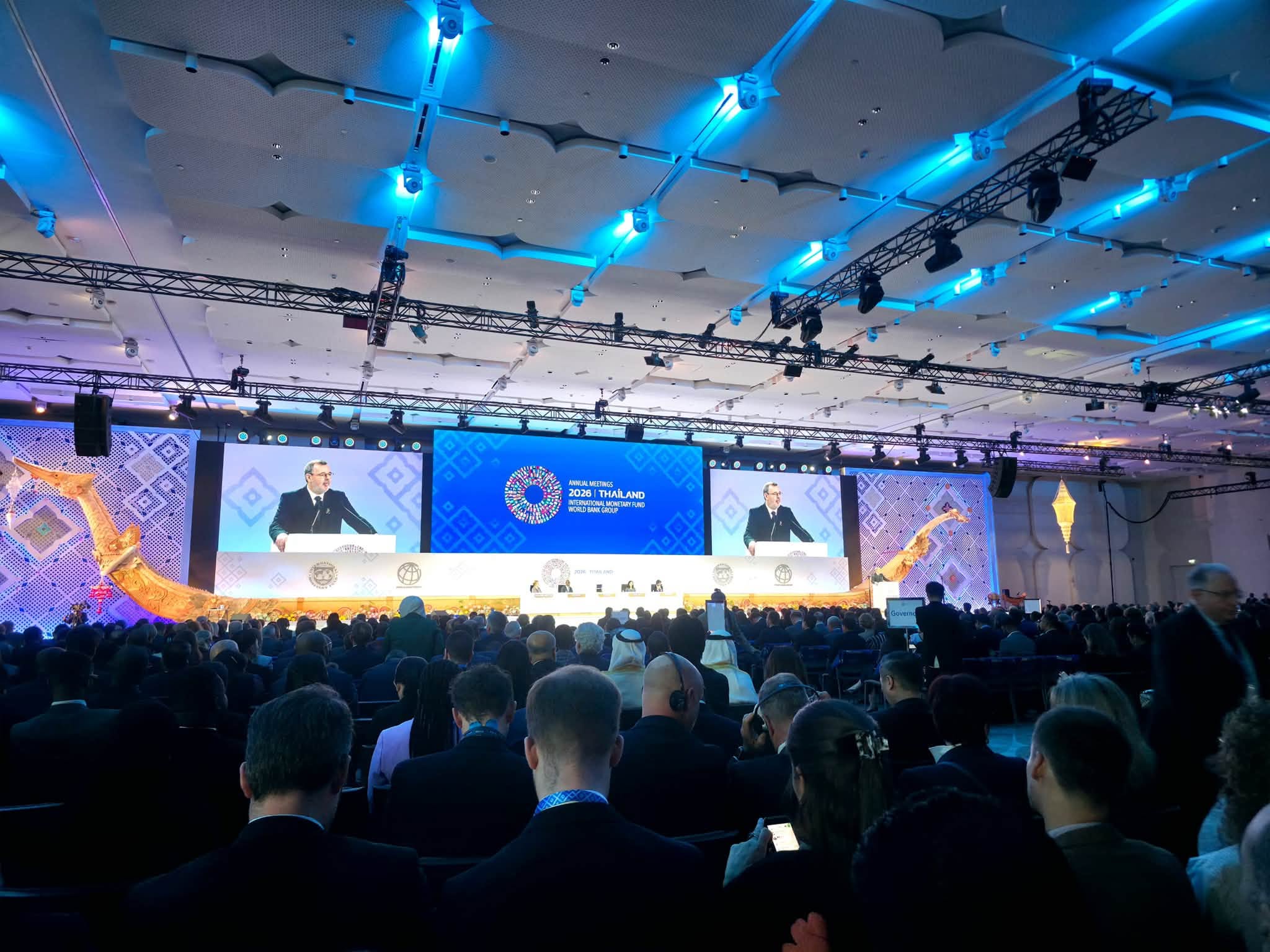
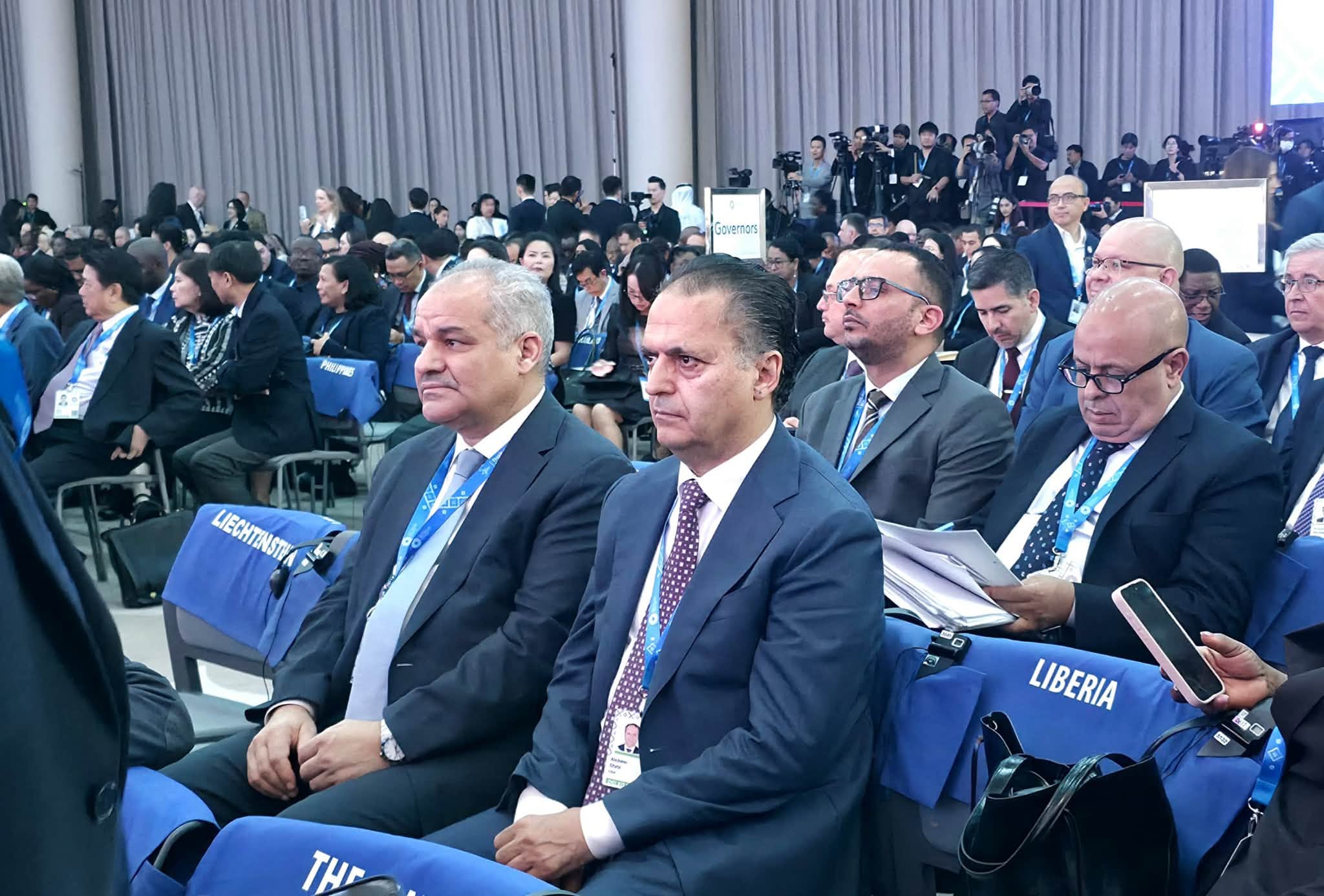
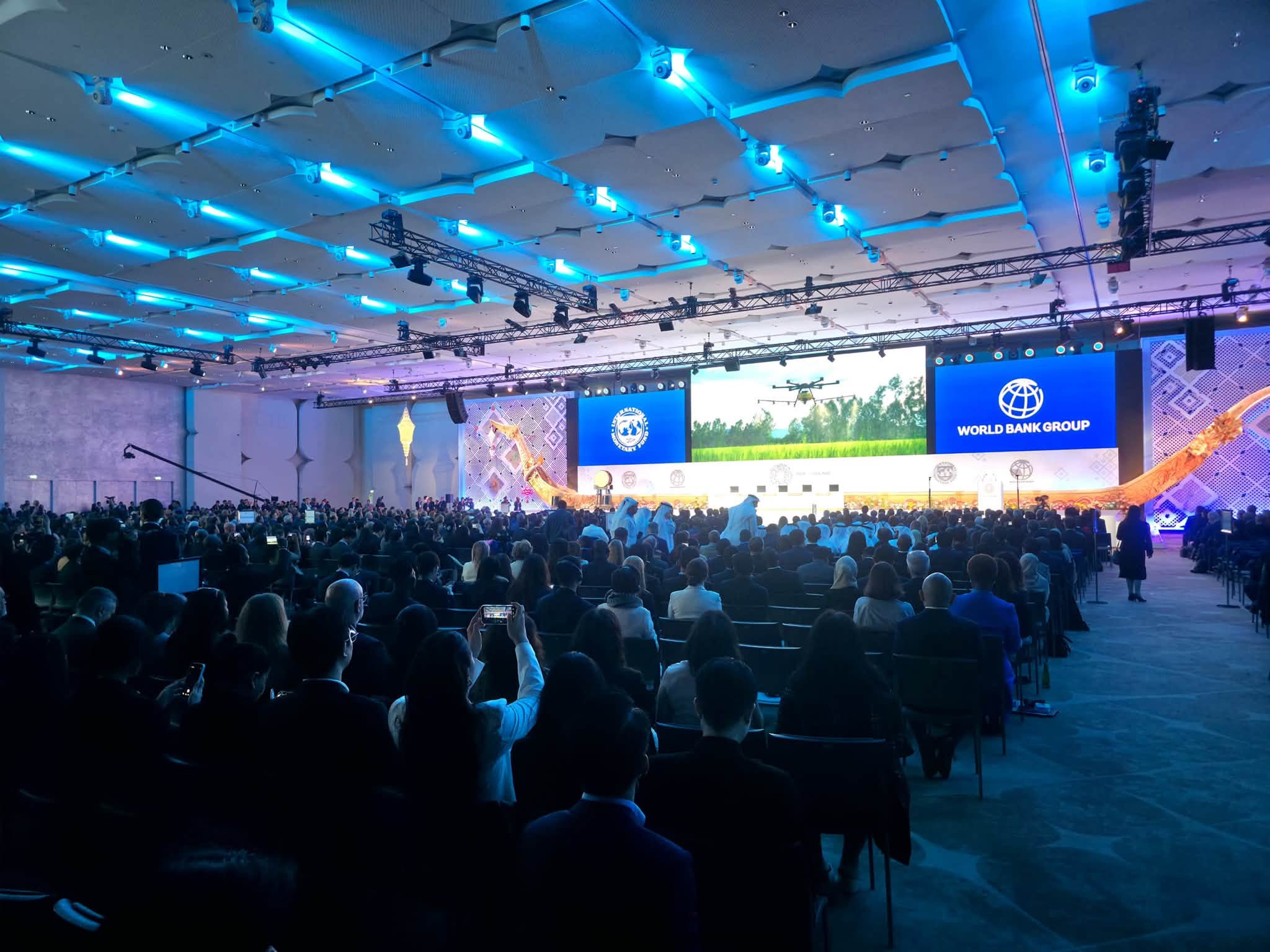
Governor of the Central Bank of Libya (CBL), H.E. Naji Mohammed Issa, along with his accompanying delegation, and the Undersecretary of the Ministry of Finance alongside their delegation, participated on Friday, October 16, 2026, in the Plenary Session of the 2026 Annual Meetings of the International Monetary Fund (IMF) and the World Bank Group held in Bangkok, Thailand. The session was attended by central bank governors, finance ministers, representatives of member states, and senior officials from both international financial institutions.
The plenary session featured a review of key developments and challenges facing the global economy, alongside discussions on prospects for economic growth, financial and monetary stability, and the importance of bolstering international cooperation to address economic uncertainty, high public debt levels, inflationary pressures, and risks arising from rapid economic and technological transformations.
Furthermore, the session addressed the critical need to enhance economic resilience against external shocks, achieve fiscal sustainability, support structural reforms, and expand the role of international financial institutions in assisting member countries to navigate mounting economic and financial challenges.
The participation of the Central Bank of Libya and the Ministry of Finance in these meetings forms part of ongoing efforts to monitor international economic and financial developments, enhance coordination between monetary and fiscal policies, and leverage global expertise and best practices to support economic stability, regulate public finances, and develop Libya’s financial and banking sector.
This participation holds special significance given the current challenges facing the Libyan economy, which require heightened fiscal discipline, the unification of public expenditure frameworks, the preservation of financial and monetary sustainability, and robust support for comprehensive economic and institutional reforms.