Monetary Policy Committee Statement


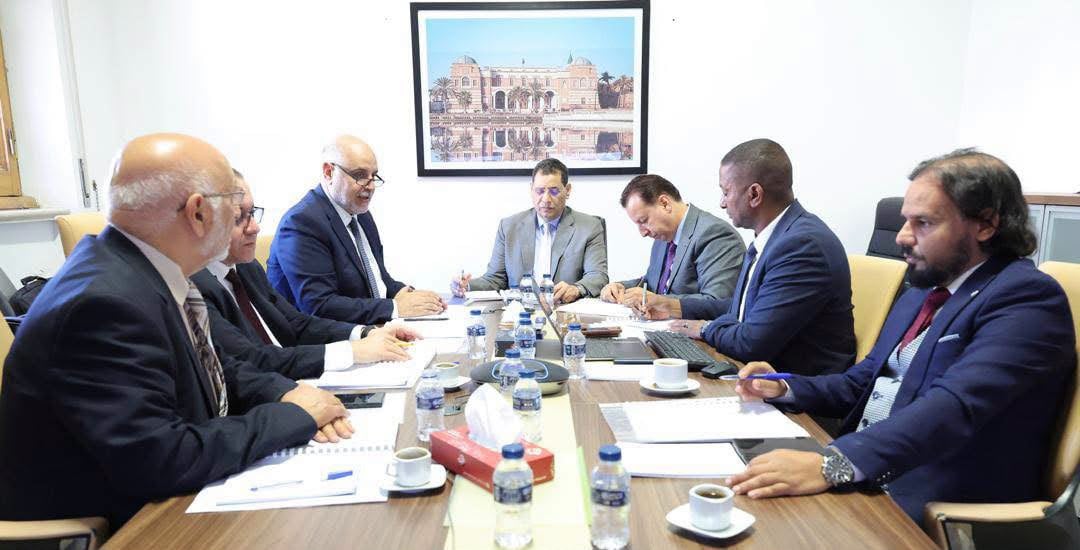
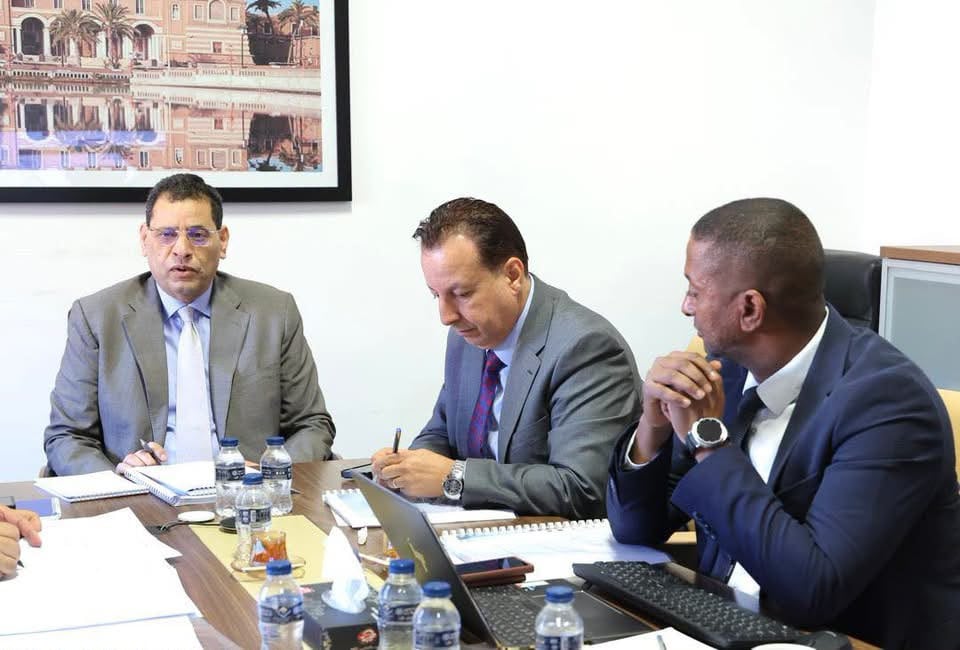
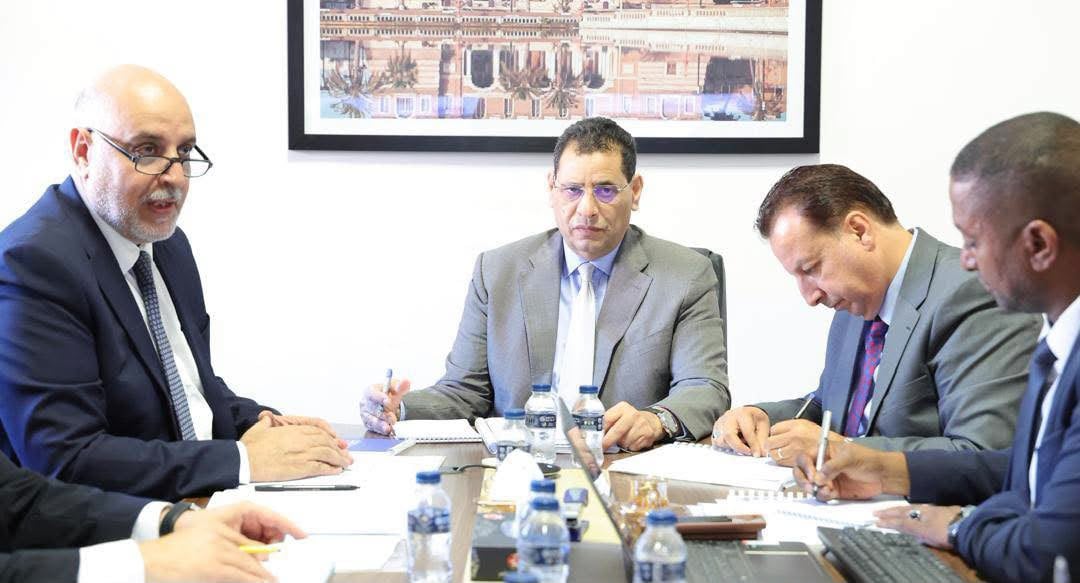
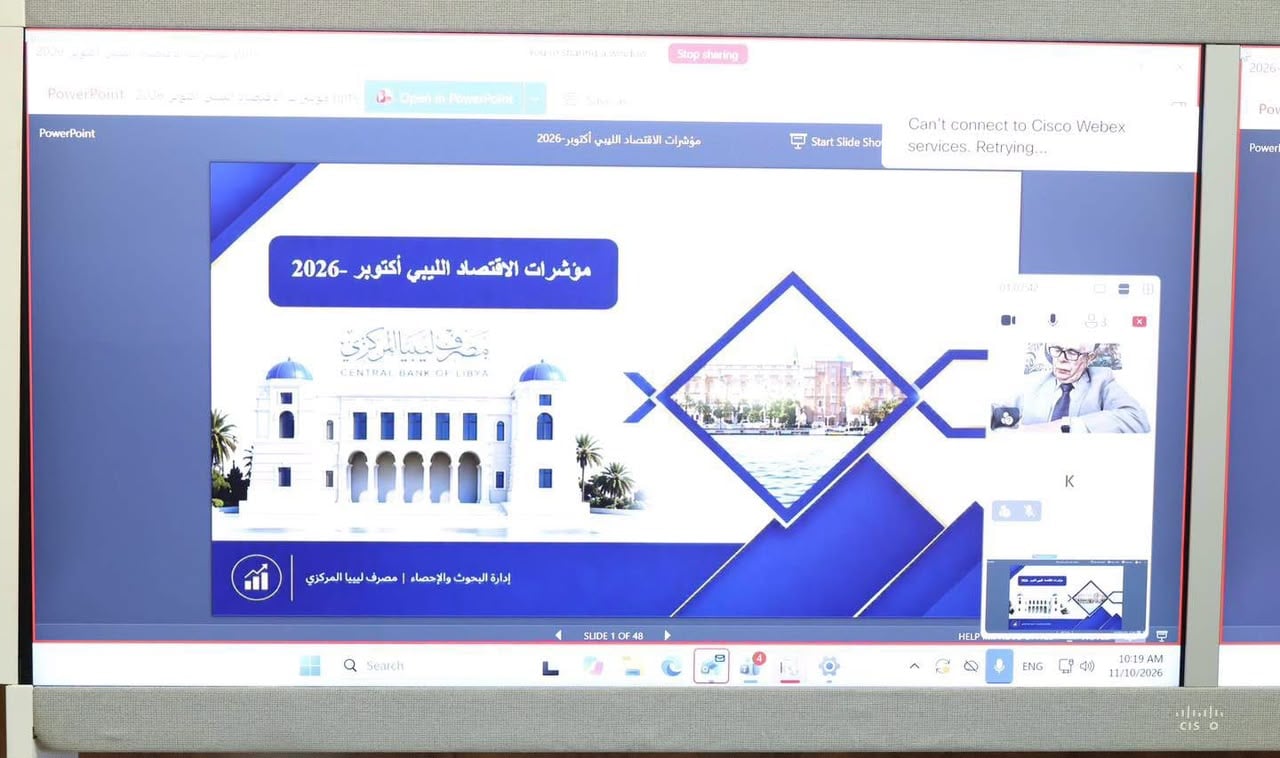
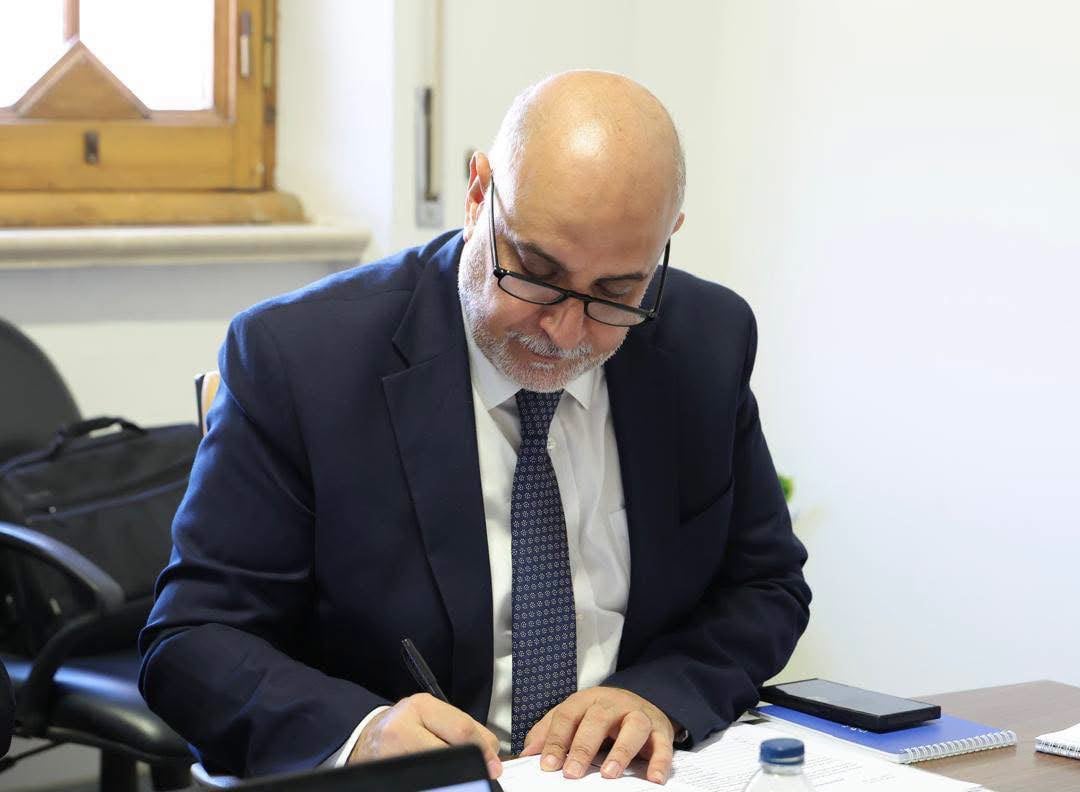
The Monetary Policy Committee of the Central Bank of Libya held its first meeting on Tuesday, 10 November 2026, following its reconstitution pursuant to Central Bank Board of Directors Resolution No. (30), concerning the appointment of the Committee’s Chairperson and members.
The meeting was chaired by Professor Dr. Fakher Miftah Bouferna, with the following members in attendance:
• Professor Reda Emhamed Gargab.
• Professor Dr. Khaled Ali Kajiji.
• Dr. Ayoub Mohammed Al-Farsi.
• Mr. Mohammed Abdul Salam Al-Shukri.
• Professor Dr. Omar Othman Zarmouh.
• Dr. Ali Mansour Al-Saleh.
• The Director of the Research and Statistics Department, serving as Committee Rapporteur.
The formation of the Committee reflects the Board of Directors’ commitment to strengthening specialised economic advisory expertise and benefiting from the combined academic and professional experience of its members in analysing economic and monetary developments, examining monetary policy alternatives, and assessing their implications. This is intended to enrich the Board’s deliberations, support evidence-based and objective decision-making, and enhance its ability to respond to the requirements of monetary stability and the challenges facing the national economy.
The Committee reviewed several priority economic and monetary issues, foremost among them the widening gap between the official exchange rate and the prevailing rate in the parallel market, as well as mounting inflationary pressures and their impact on citizens’ purchasing power.
In this regard, the Committee emphasised that price stability, preserving the real value of citizens’ incomes and savings, and creating a favourable environment for production and investment constitute fundamental pillars for the success of economic policies and the achievement of their objectives.
The Committee stressed the need to adopt a unified state budget based on realistic estimates of available resources, while taking into account the state’s financing capacity and the Libyan economy’s absorptive capacity. This would help ensure greater control and efficiency in public expenditure and address fiscal imbalances.
It also underscored the importance of strengthening coordination and integration among monetary, fiscal, and trade policies, as well as intensifying communication with the relevant legislative and executive authorities, in order to address the underlying sources of economic imbalances and mitigate their impact on economic stability.
With regard to the exchange rate, the Committee emphasised the importance of maintaining the stability of the official exchange rate and working to narrow the gap between the official rate and that prevailing in the parallel market. This would require adopting an integrated set of measures aimed at addressing the underlying causes of this gap and easing pressures on foreign currency demand, thereby supporting monetary stability and strengthening confidence in the national currency.
The Committee concluded by emphasising that restoring confidence in economic and monetary policies requires clarity of direction, consistency in decision-making, and coordinated institutional efforts, alongside continuous monitoring and evaluation of policy outcomes against clear and measurable performance indicators.
These efforts are essential to ensuring tangible results that positively affect citizens’ lives and contribute to strengthening the stability of the national economy.