Central Bank Governor Holds Expanded Meeting with Banks and Electronic Payment Companies to Advance the Electronic Payments System



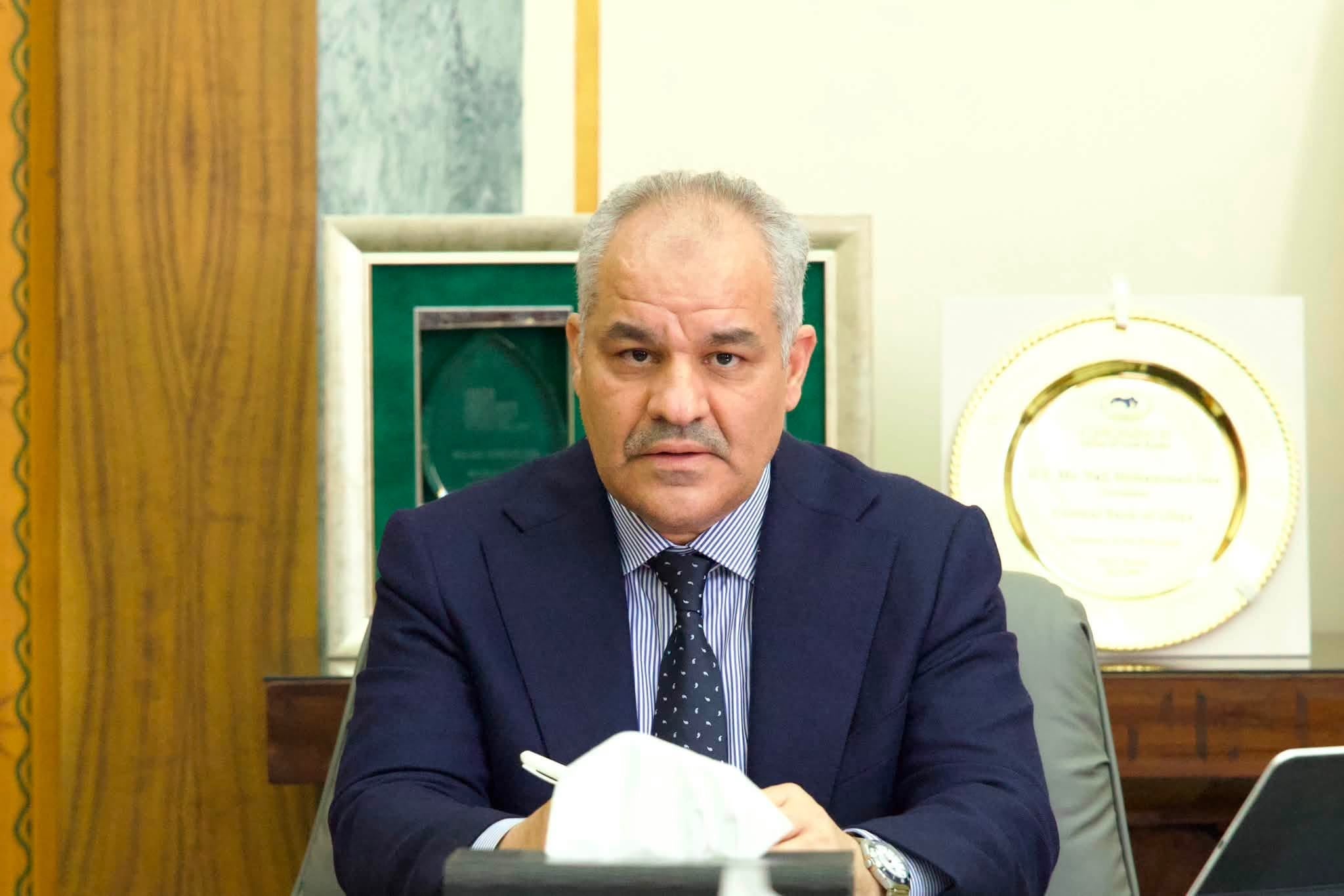



The Governor of the Central Bank of Libya, H.E. Naji Issa, chaired an expanded meeting at the Bank’s headquarters on Monday, 13 July 2026, bringing together a number of Chief Executive Officers and General Managers of commercial banks, representatives of electronic payment companies, and directors of the relevant departments of the Central Bank.
The meeting was held as part of the Central Bank’s ongoing efforts to advance the national electronic payments system, enhance its efficiency, identify the key challenges facing banks and electronic payment companies, and adopt the necessary measures to address them.
Discussions focused on improving the efficiency of electronic payment systems and strengthening their technological infrastructure to minimize service interruptions and ensure the continuity of services provided to citizens.
The meeting also reviewed the progress made in implementing the project to enable Visa Card payments in foreign currency through domestic point-of-sale (POS) terminals, including the current implementation stages, as part of efforts to diversify electronic payment methods and keep pace with developments in the financial sector.
Participants further discussed the results of the assessment of electronic payment companies and their compliance with the technical, regulatory, and supervisory standards and requirements issued by the Central Bank of Libya.
The meeting also examined mechanisms for expanding the use of electronic wallets to promote financial inclusion and encourage expatriate workers to benefit from these services, thereby supporting wider adoption of electronic payment solutions and reducing reliance on cash transactions.
The Governor stressed the importance of maintaining close coordination and continuous communication between commercial banks and electronic payment companies, addressing operational challenges on an ongoing basis, and putting forward practical proposals that contribute to improving payment services and enhancing their efficiency.
The Governor also emphasized that cybersecurity must remain a top strategic priority, calling for all necessary measures to strengthen the protection of banks’ digital infrastructure and enhance their preparedness to address cyber risks and threats, thereby ensuring the security and resilience of banking systems, safeguarding customer data, and maintaining the uninterrupted delivery of banking services.