Central Bank of Libya and U.S. Federal Reserve Discuss Strengthening Cooperation and Solidifying International Confidence in the Libyan Banking Sector


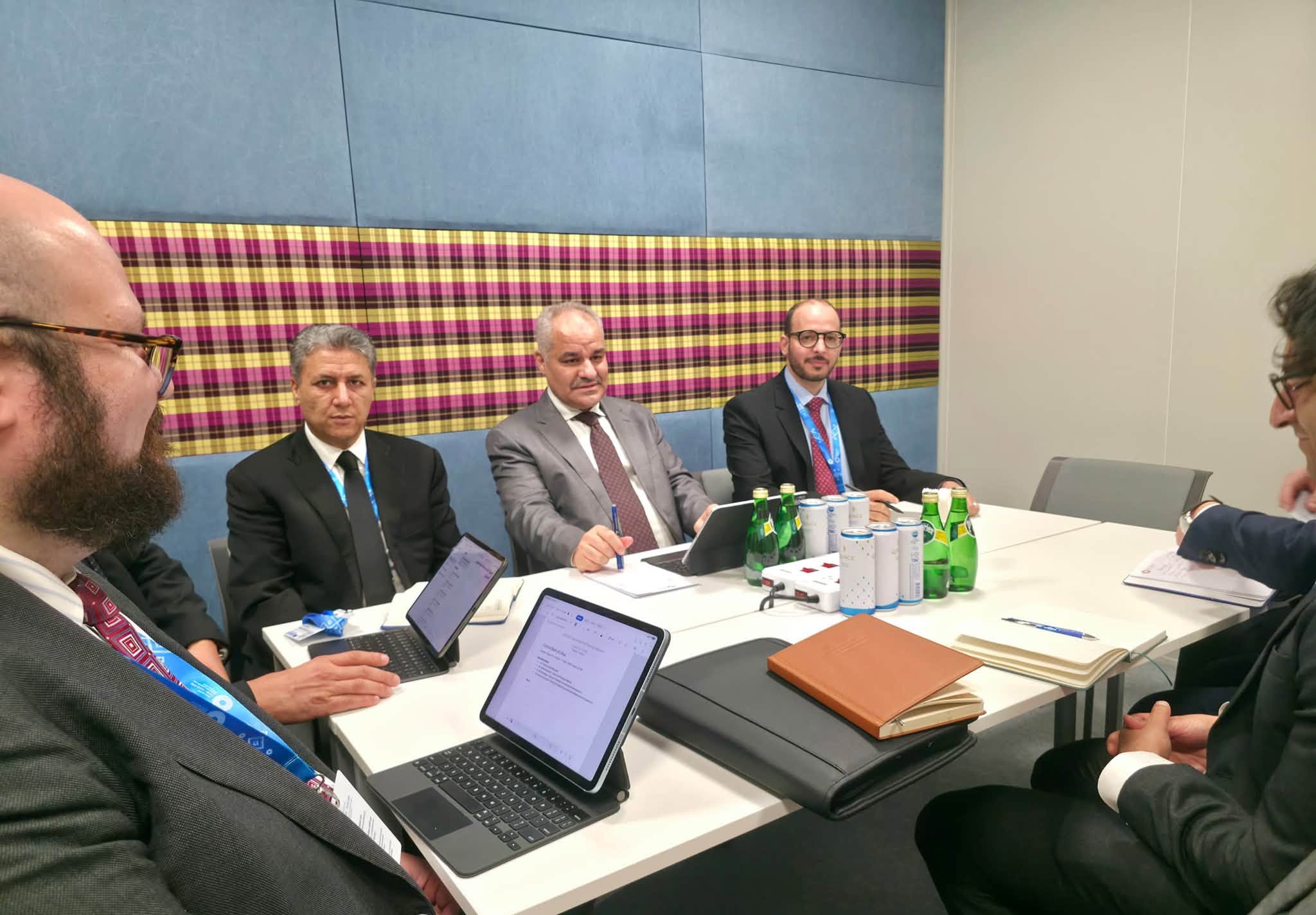
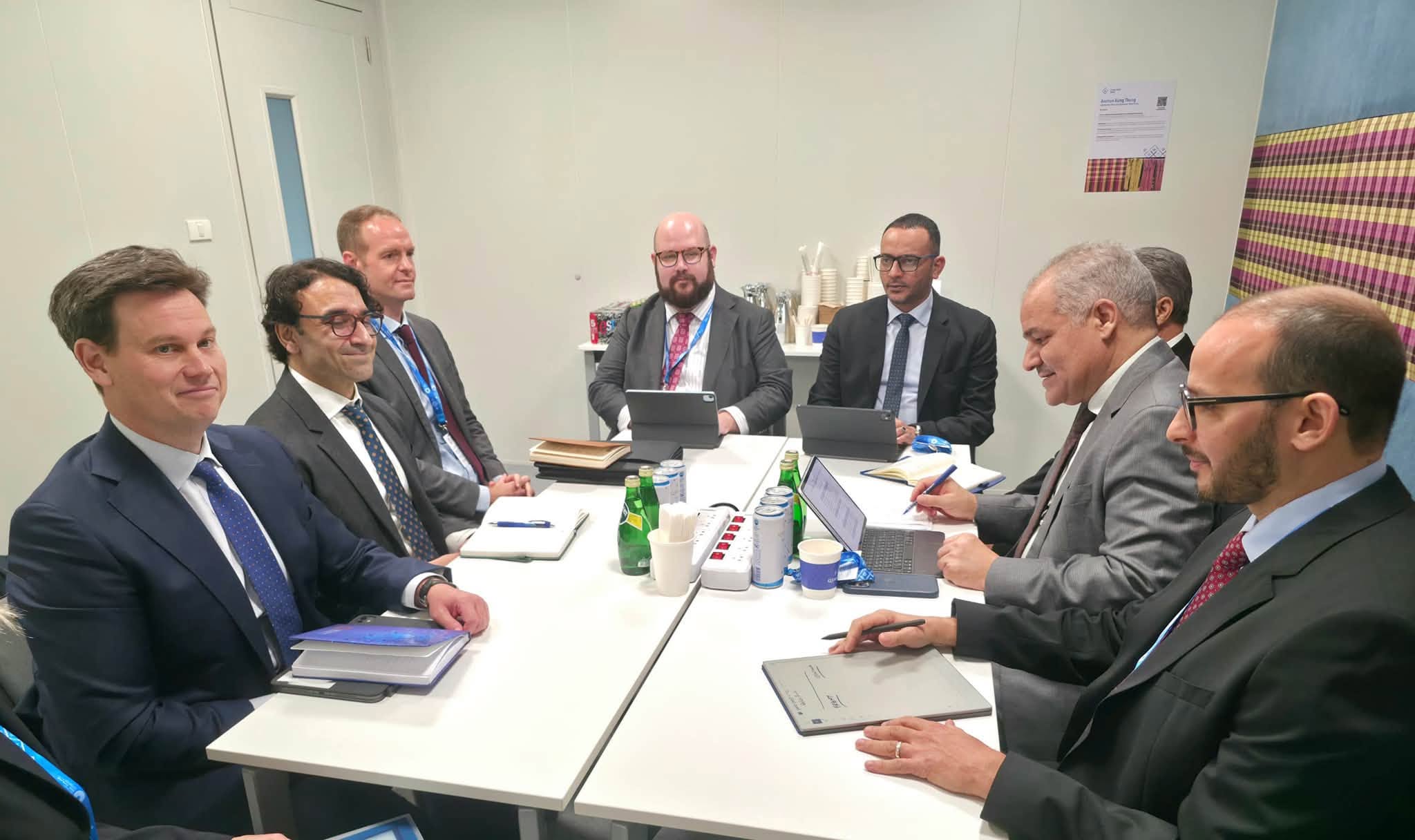
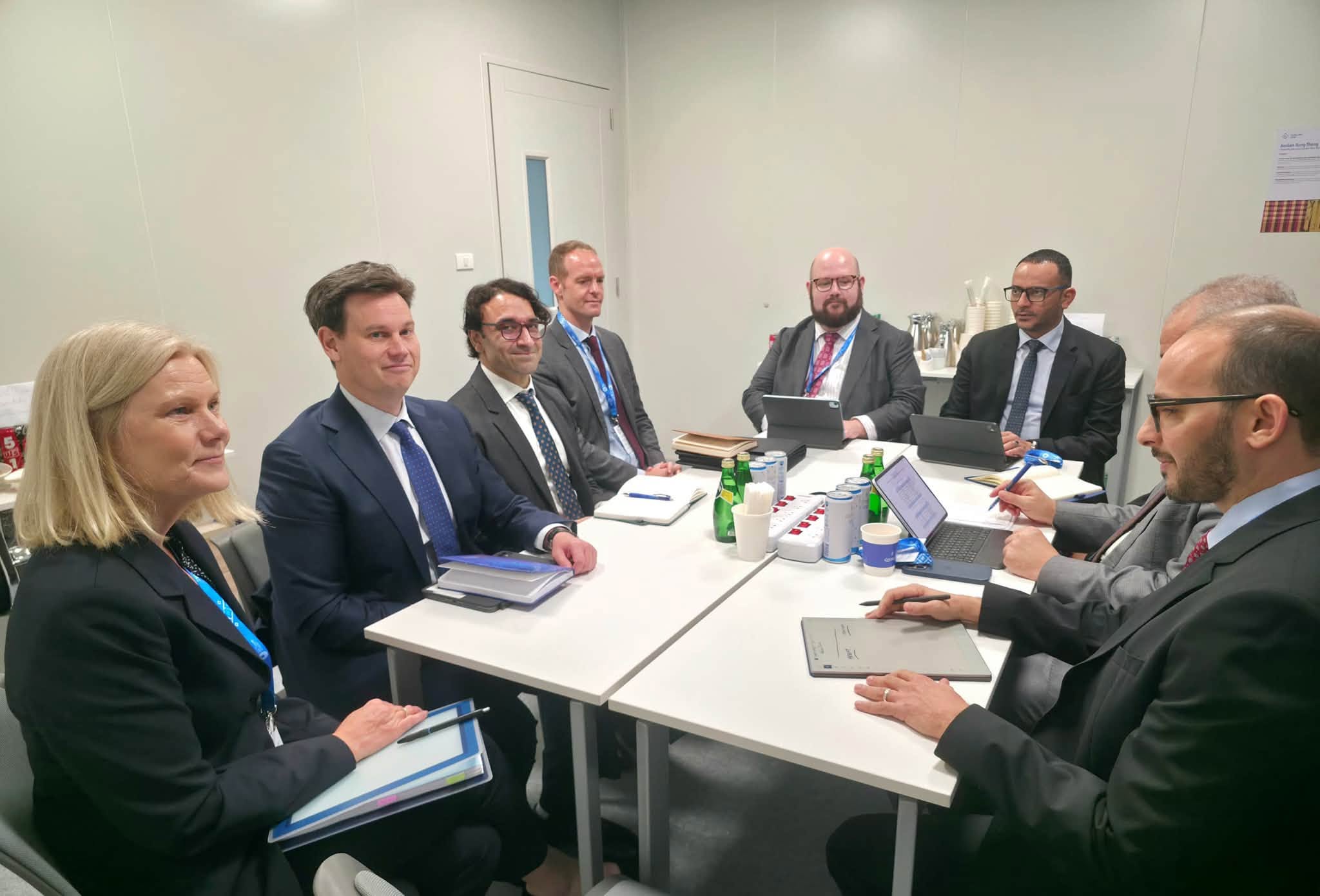
H.E. Naji Mohammed Issa, Governor of the Central Bank of Libya, and his accompanying delegation met on Tuesday, October 13, 2026, with an official delegation from the U.S. Federal Reserve. The meeting took place on the sidelines of the Annual Meetings of the International Monetary Fund (IMF) and the World Bank, held in Bangkok, Thailand.
The meeting addressed recent economic and financial developments in Libya, the exceptional challenges facing the Central Bank of Libya under current circumstances, and efforts to maintain monetary and financial stability. Discussions also focused on ways to enhance cooperation and coordination with U.S. financial institutions and on taking necessary measures to bolster the reputation of the Libyan banking sector and solidify confidence in its dealings with international financial and banking institutions.
Furthermore, the meeting reviewed the results of joint work between K2 Integrity and the Central Bank of Libya’s team aimed at strengthening financial transaction screening and auditing procedures, as well as monitoring suspicious transactions linked to requests for covering letters of credit. Consideration was also given to expanding the scope of the review and screening team’s work, in cooperation with all relevant local and international parties, to help raise levels of transparency and compliance and curb illicit practices that had previously compromised the integrity of financial transactions. The two sides discussed challenges related to cross-border goods smuggling and the circumvention of trade and banking regulations, as well as the resulting impact on the national economy and the foreign exchange market. They also reviewed measures taken by the Central Bank of Libya to upgrade its anti-money laundering and counter-terrorism financing (AML/CFT) framework and to strengthen oversight and compliance mechanisms in line with international standards and best practices.
For its part, the US Federal Reserve delegation commended the efforts of the Central Bank of Libya to improve the reputation and international credibility of the Libyan banking sector. The delegation praised the Bank’s success in resuming foreign currency supplies to Libya after a years-long hiatus, as well as the commercial banks’ successful distribution of these funds to citizens across the country—conducted in an organized manner and without reported irregularities. This success reflects the notable improvement in the banking system’s efficiency and its capacity to execute large-scale financial and logistical operations.
The delegation also emphasized the importance of continued cooperation and support for the Central Bank of Libya in fulfilling its mandate and achieving its reform objectives. Particular focus was placed on enhancing governance and transparency, and addressing the shortcomings and unsound practices that had accumulated within the financial system over recent years, thereby bolstering the integrity of the Libyan banking sector and facilitating its integration into the global financial system.
This meeting aligns with the Central Bank of Libya’s strategy to expand relations with international monetary and financial institutions, boost confidence in the Libyan banking sector, and advance the reforms necessary to safeguard the state’s financial and monetary stability.