Governor of the Central Bank of Libya, and Emad Trabelsi discuss shared economic and security files


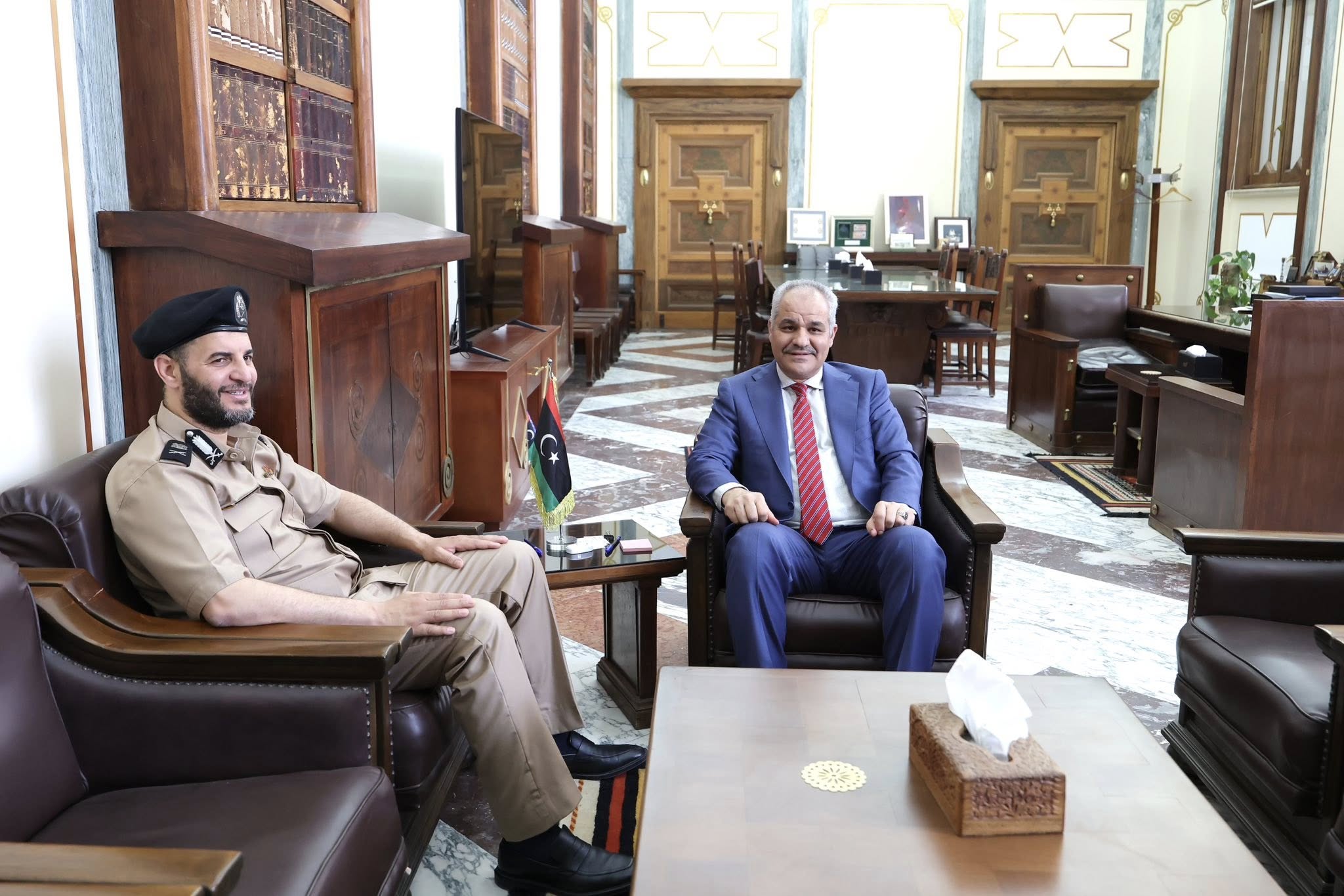
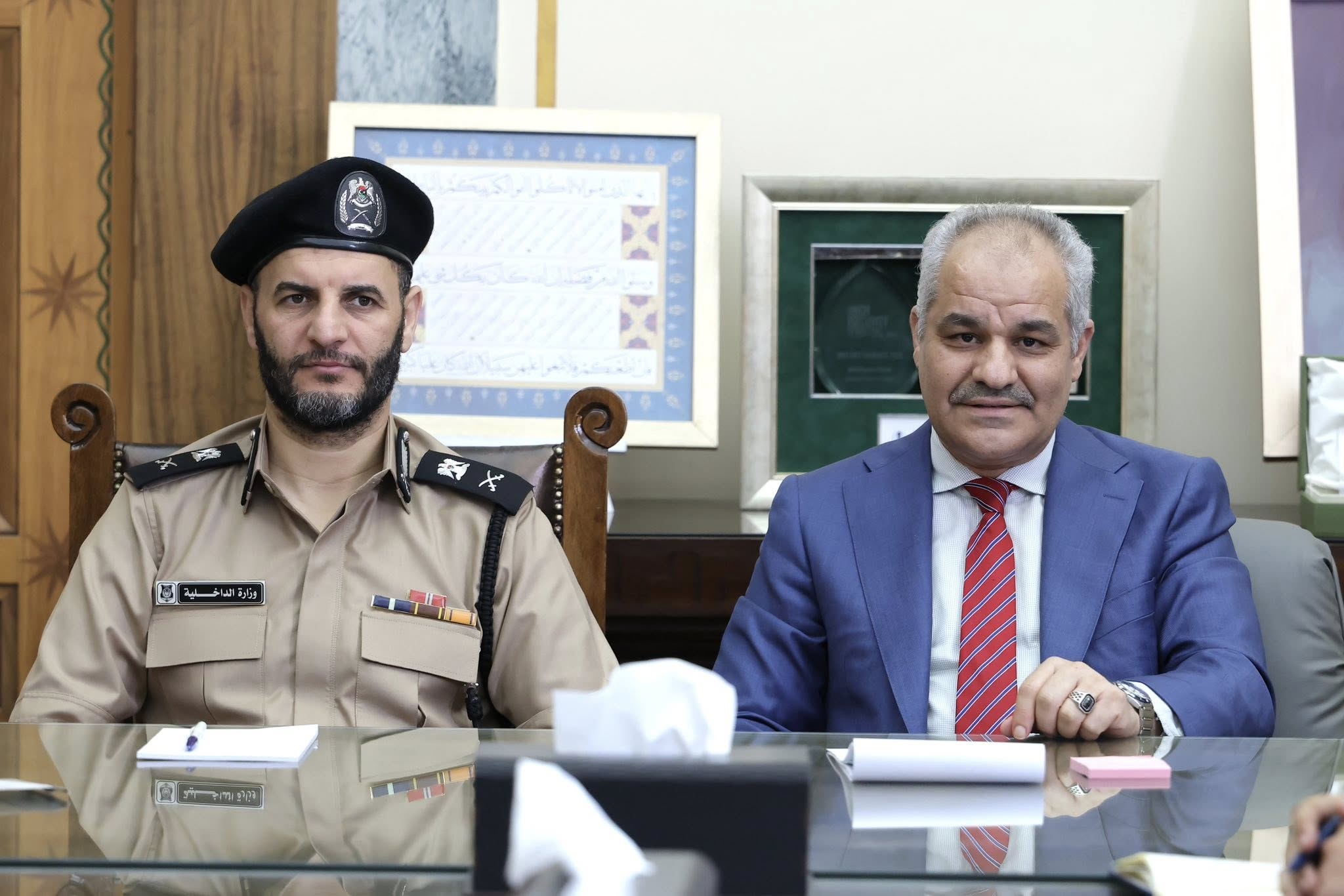
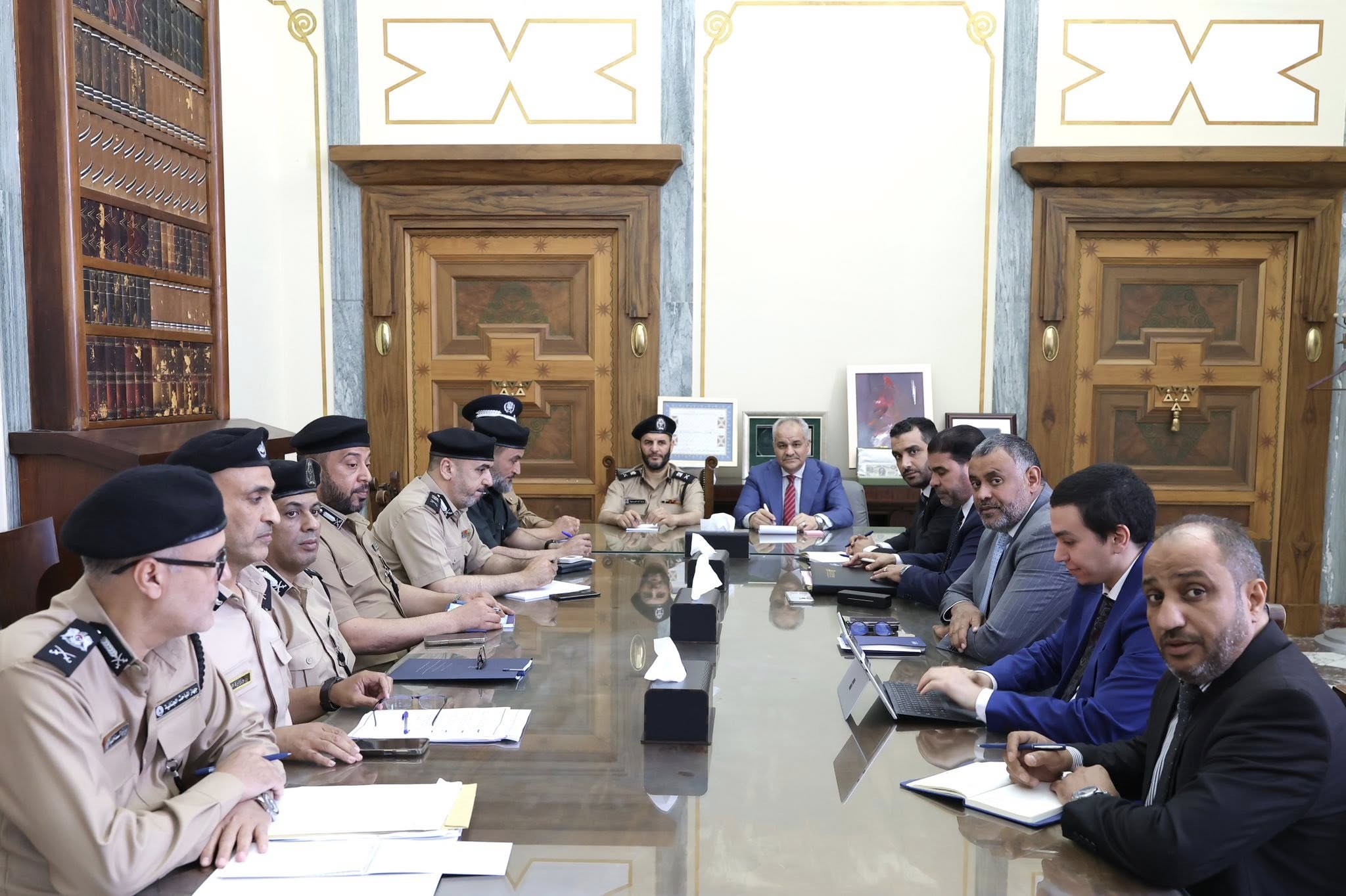
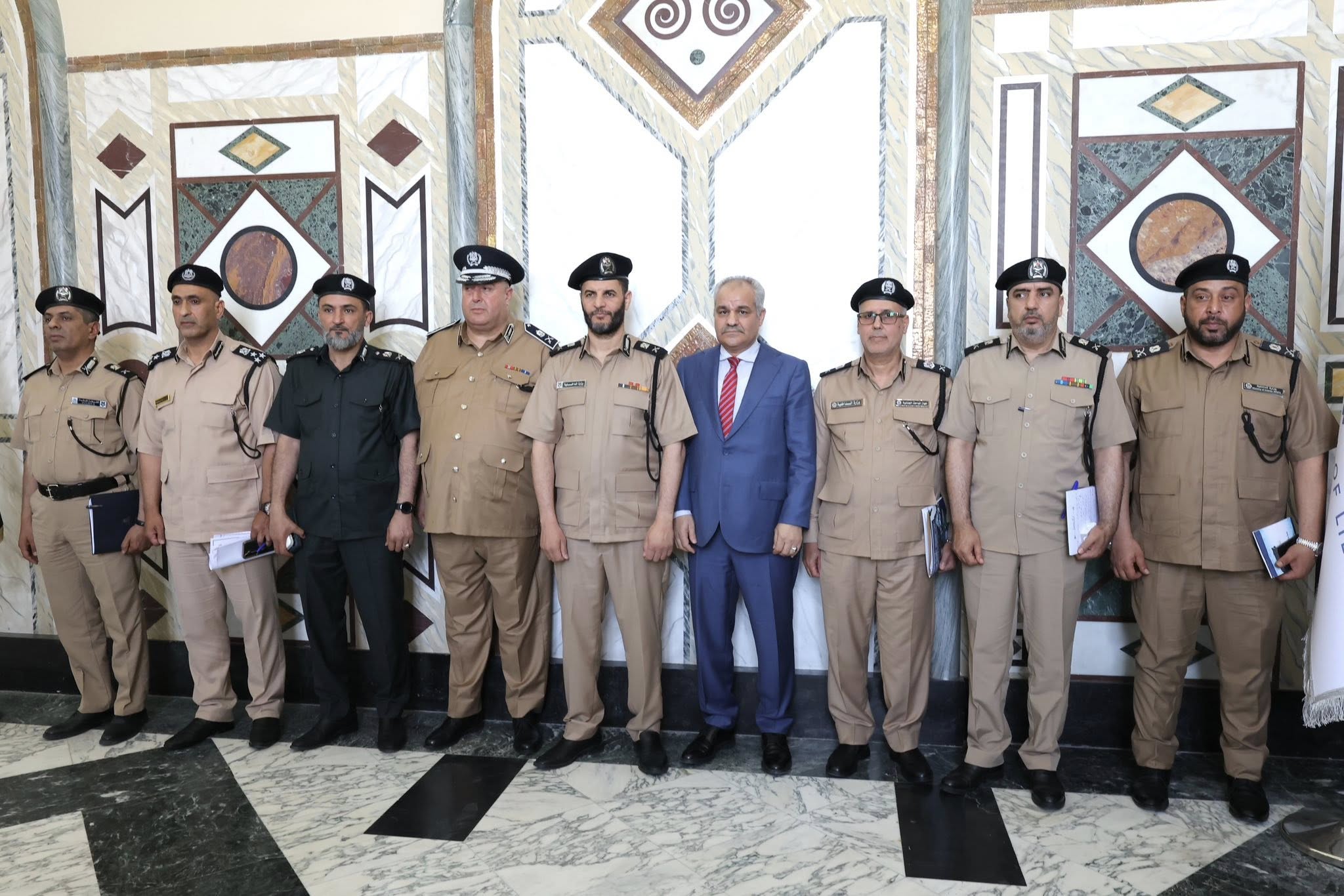
An expanded meeting was held at the Central Bank of Libya on Monday, May 18, 2026, bringing together H.E. Naji Mohammed Issa, Governor of the Central Bank of Libya, and Major General Emad Trabelsi, Minister of Interior, in the presence of senior leaders from ministry’s security agencies and several department directors from the bank. The meeting focused on discussing shared economic and security issues affecting the banking sector and the country’s financial stability.
At the beginning of the meeting, the Minister of Interior commended the efforts of the Central Bank of Libya in providing U.S. dollar cash to citizens through commercial banks after years of interruption. He also praised the remarkable progress in the electronic payment system, which has witnessed significant expansion, increased usage rates, and higher transaction volumes.
For his part, the Governor expressed appreciation for the role of the Ministry of Interior and its affiliated agencies, highlighting the level of ongoing security cooperation with the bank, particularly the efforts of the Facilities and Installations Security Authority in securing bank branches and protecting cash transportation shipments.
The meeting also addressed a joint action plan aimed at limiting and eliminating negative phenomena in the Libyan economy, including the parallel foreign exchange market, due to its harmful impact on the national economy and exchange rate stability, as well as its direct effects on citizens’ daily lives. Discussions also covered efforts to curb the smuggling of goods across land borders and the phenomenon of imports conducted outside the banking system, which contribute to the entry of substandard and prohibited goods into the country.
At the conclusion of the meeting, it was agreed to establish a joint task force comprising security agencies, the Ministry of Interior, and the Central Bank of Libya to develop a mechanism and strategy to combat companies and shops operating without the necessary licenses issued by the Central Bank, take strict legal measures against violators while granting them a period to regularize their status, and put an end to fictitious speculation in the market.