A meeting with Libyan Businessmen Council by Governor of the Central Bank of Libya
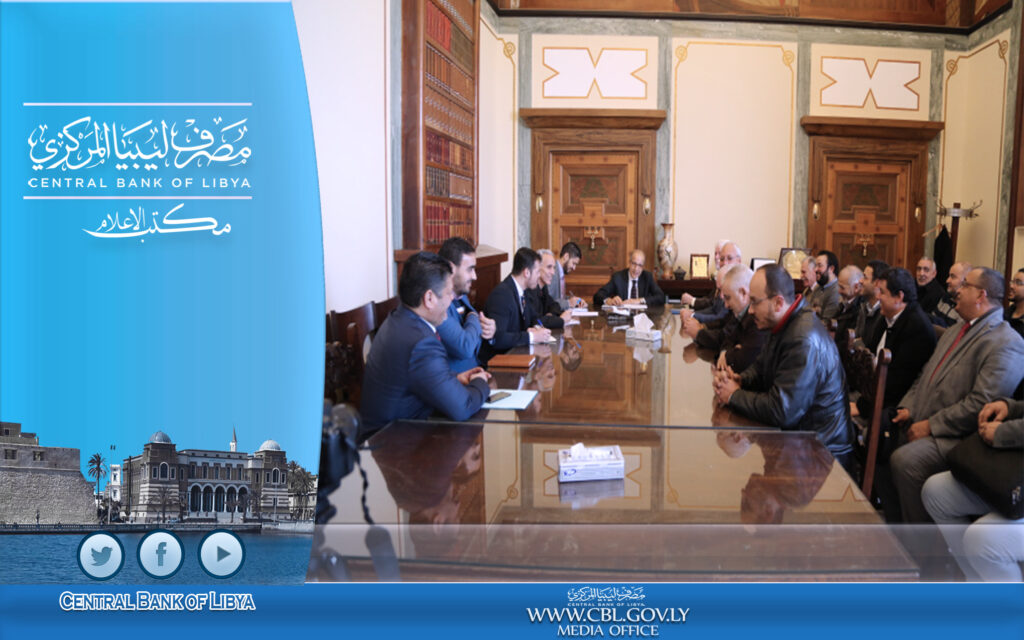
A meeting was held by Mr. Saddek Omar Elkaber , the Governor of the Central Bank of Libya, on Tuesday morning 17th of January 2017, at the headquarters of the Central Bank in Tripoli, with the Libyan Businessmen Council.
The governor welcomed the members of the Council at the beginning of the meeting, and praised them for their interest and enthusiasm, mentioning the Council’s role in the Advancement of the Libyan economy towards further development.
From his side, head of the Libyan Businessmen Council Mr. Abdullah Al-Falah thanked the Governor for this meeting opportunity to discuss the financial and administrative problems and difficulties that faces them and prevent them from doing their jobs perfectly.
The governor has promised members of the Council to work to overcome the difficulties and solve problems they face which relating to the Central Bank of Libya According to the laws and regulations.
Members of council have expressed great optimism about the outcome of this meeting, displaying a willingness to double their efforts so as to support the national economy as soon as possible.

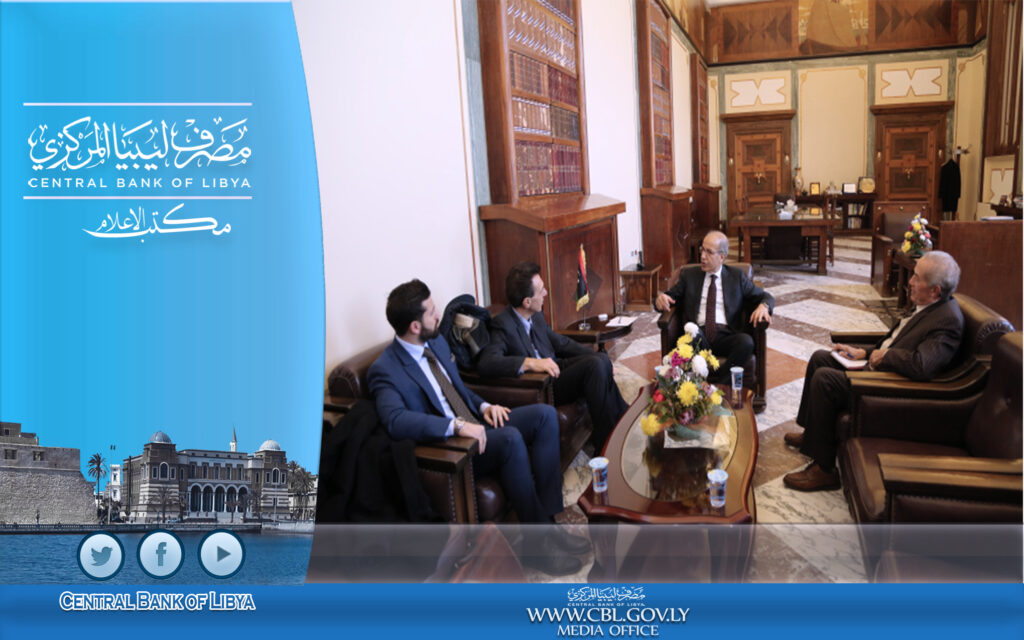

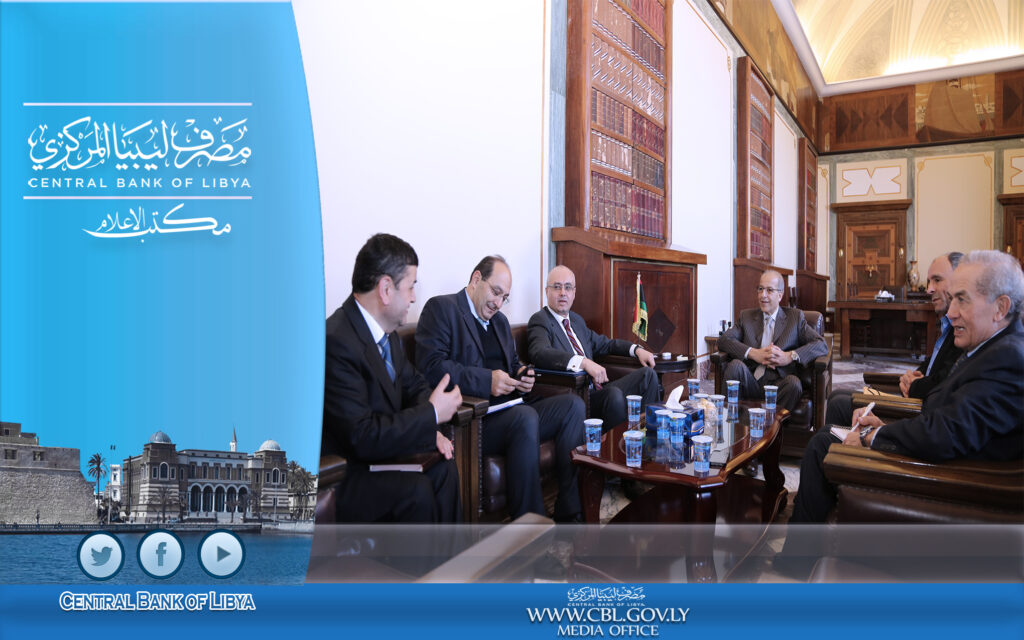 Mr.Saddek Omar Elkaber,Governor of the Central Bank of Libya held a meeting last Thursday the 2nd of February at his office in Tripoli . The meeting addressed the Libyan Turkish cooperation, the activation of previous agreements signed between the two countries and the return of the Turkish companies to work in Libya .This meeting in which was attended by Mr.Thovan Howik consultant of the ministry is concerned the first meeting since reopening the Turkish embassy and the resumption of it’s work again in Tripoli.


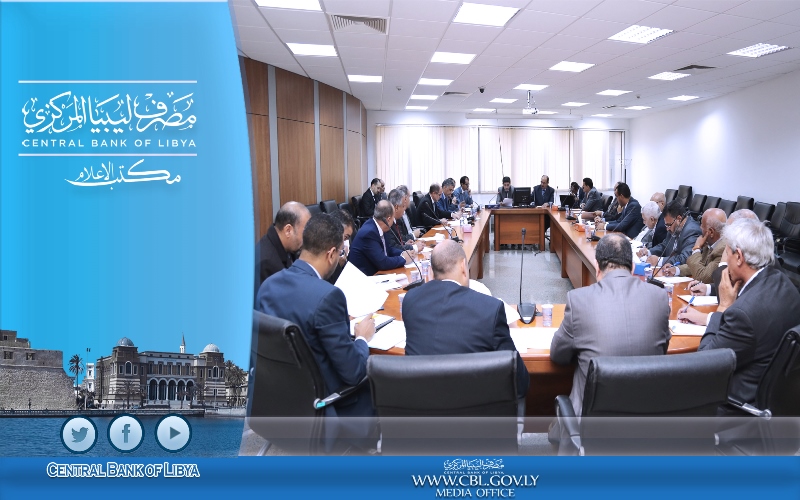 An expanded meeting was held on the 15th of December 2016 at the Central Bank of Libya and was attended by members from the Supervisory Department of the Central Bank of Libya, Managers of commercial Banks, and the L/C vetting committee of the Central Bank of Libya in order to discuss the arrangements needed to facilitate the procedures of opening documentary letters for supplying consumer goods, medicine, manufacturing supplies, raw materials and other essential goods and services. This will ensure goods will be distributed to the local markets to fulfill food and medical needs for citizens and to achieve a balance between demand and supply to end the negative effects caused by the black market phenomenon. The procedures taken will help in handling the inflationary effects of illegal currency speculation that caused the increase in prices and unavailability of goods including other disadvantages that effect citizens’ living standards, economic balance and stability of the community.
The meeting also addressed the instructions put by the Governor of the Central Bank of Libya which are: speed in preparation to initiate the opening of documentary letters, provide quick transfers, credit cards and other services starting from the beginning of January 2017 without any delay or difficulty. Also, expanding in the use of credit cards instead of cash to help in providing solutions to the problem of liquidity besides focusing on documentary letters and points of sale (POS).
An important point also discussed during the meeting addressed handling the phenomenon of multiplicity of foreign inspection companies by the adoption of international well known and authoritative companies so that this procedure will completely stop any illegal actions concerning shipments, items, and amounts listed in the documentary letters. This will reduce smuggling, increase product validity and optimize the use of foreign currency. A great amount of cooperation and coordination will be taken with the Customs Department who is responsible for security, smuggling control and preventative measures. It was also mentioned that the economic indicators confirm that the overall economy will develop positively in 2017 which will have a positive effect on the citizens’ life.
An expanded meeting was held on the 15th of December 2016 at the Central Bank of Libya and was attended by members from the Supervisory Department of the Central Bank of Libya, Managers of commercial Banks, and the L/C vetting committee of the Central Bank of Libya in order to discuss the arrangements needed to facilitate the procedures of opening documentary letters for supplying consumer goods, medicine, manufacturing supplies, raw materials and other essential goods and services. This will ensure goods will be distributed to the local markets to fulfill food and medical needs for citizens and to achieve a balance between demand and supply to end the negative effects caused by the black market phenomenon. The procedures taken will help in handling the inflationary effects of illegal currency speculation that caused the increase in prices and unavailability of goods including other disadvantages that effect citizens’ living standards, economic balance and stability of the community.
The meeting also addressed the instructions put by the Governor of the Central Bank of Libya which are: speed in preparation to initiate the opening of documentary letters, provide quick transfers, credit cards and other services starting from the beginning of January 2017 without any delay or difficulty. Also, expanding in the use of credit cards instead of cash to help in providing solutions to the problem of liquidity besides focusing on documentary letters and points of sale (POS).
An important point also discussed during the meeting addressed handling the phenomenon of multiplicity of foreign inspection companies by the adoption of international well known and authoritative companies so that this procedure will completely stop any illegal actions concerning shipments, items, and amounts listed in the documentary letters. This will reduce smuggling, increase product validity and optimize the use of foreign currency. A great amount of cooperation and coordination will be taken with the Customs Department who is responsible for security, smuggling control and preventative measures. It was also mentioned that the economic indicators confirm that the overall economy will develop positively in 2017 which will have a positive effect on the citizens’ life.



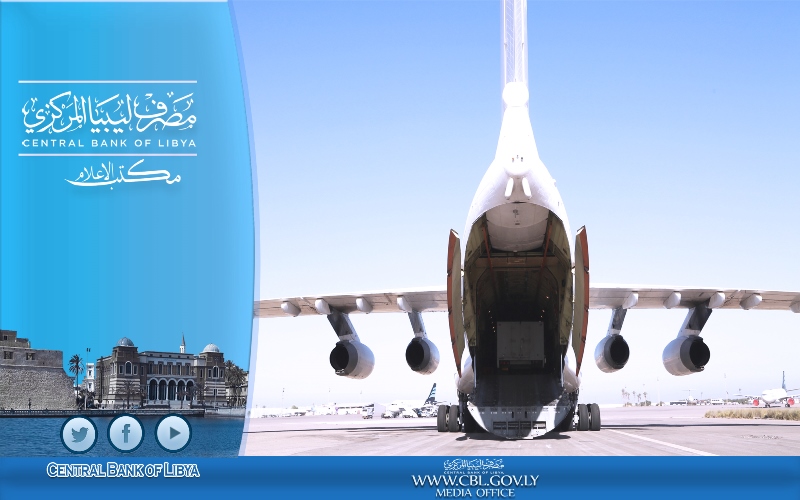 The Issuance department of the Central Bank of Libya sent a shipment of currency to ALJOFRA on Sunday morning 4th of December 2016, to distribute it to all commercial banks in the south.