
CBL receives new shipments totaling “A Billion Dinars” for June 2016.
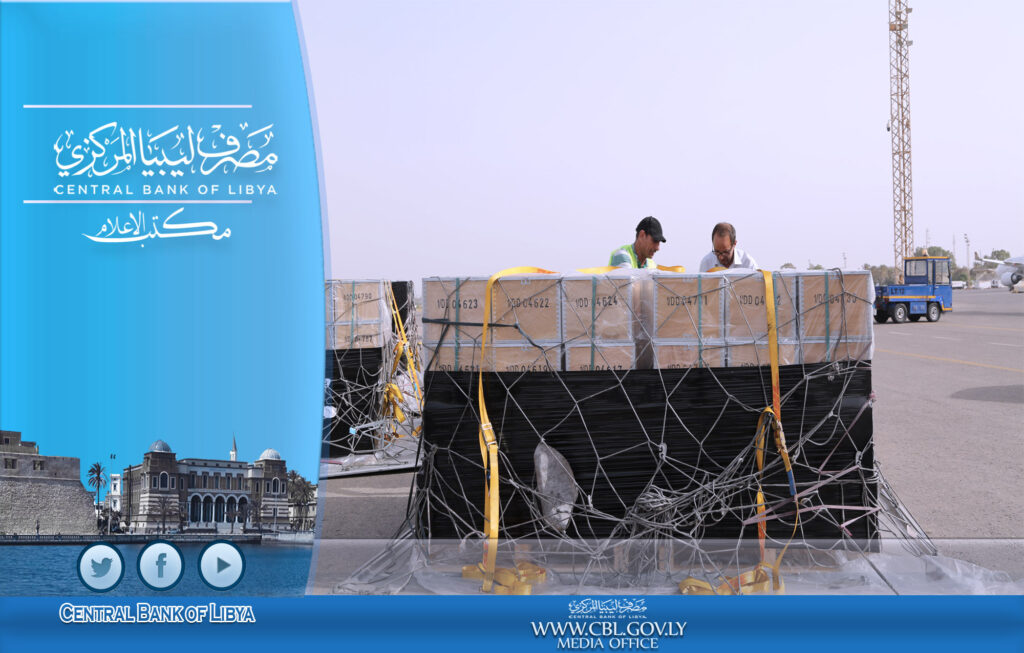
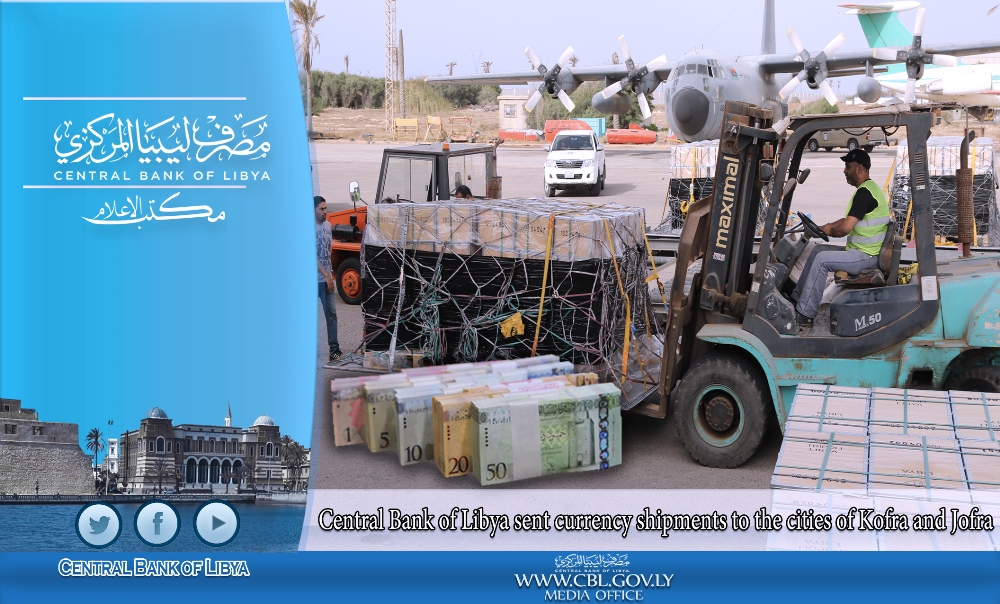
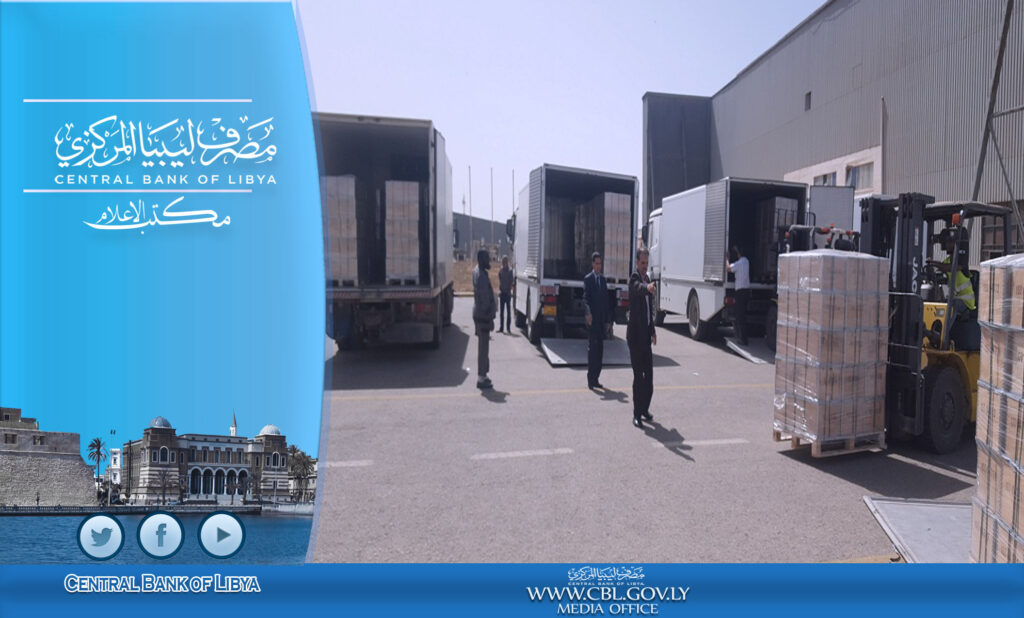
Central Bank of Libya in Tripoli received a shipment of Libyan currency notes on Wednesday evening the 29th of June 2016 which arrived at Matega airport. The Central Bank of Libya confirms that all the currency shipments that have been received since the 1st of June 2016 till the 29th of June are estimated to be around one billion Dinars which had been distributed to the commercial banks in all regions of Libya.



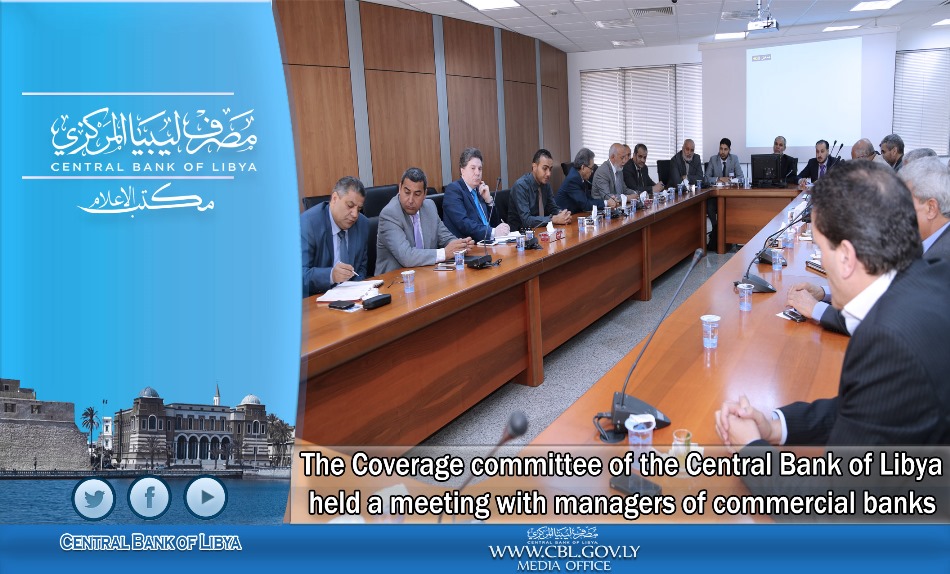


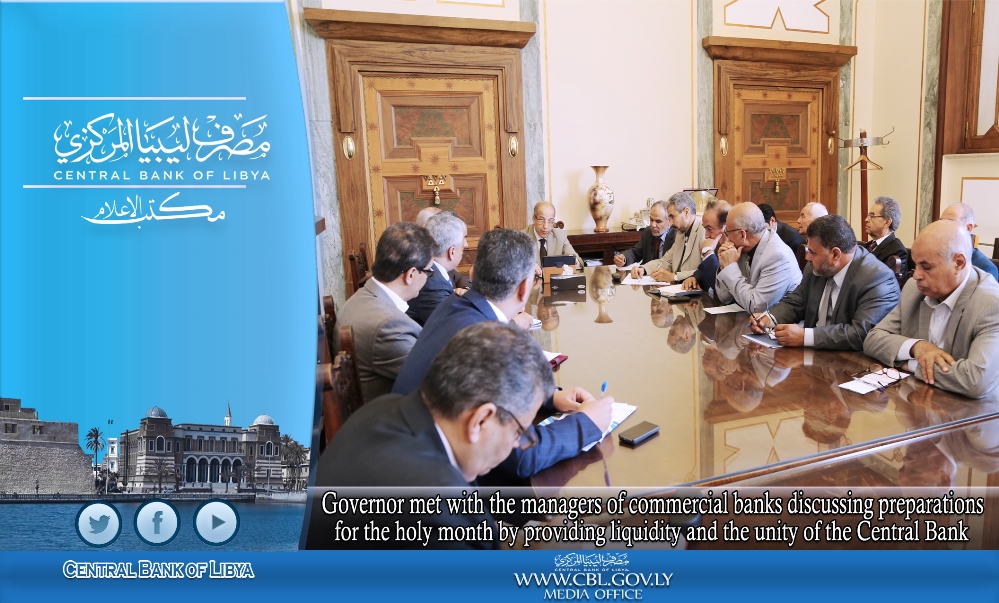 Mr. Saddek Elkaber, Governor of the Central Bank of Libya, held a meeting on Wednesday the 4th of May 2016 at his office in Tripoli with the general managers of commercial banks. During the meeting they discussed all banking issues related to facilitating the daily life of citizens, issues dealing with safety of banks, and reviewed efforts to provide immediate liquidity including the activation of electronic payment services besides facilitating the procedures of supplying goods before the holy month of Ramadan. At the end of the meeting the Governor answered the manager’s questions concerning different issues.

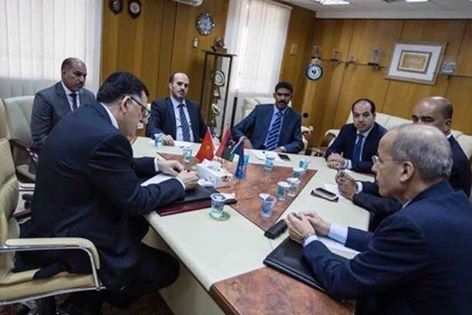 The Presidential Council of National Accord asked to meet with Mr. Saddek Omar Elkaber, Governor of the Central Bank of Libya, on Thursday evening the 5th of May 2016. The Governor met with the President and members of the Presidential Council to discuss a number of issues concerning security and safety, liquidity issues and mechanisms to solve the problem, follow up on opening documentary letters of credit’s role to ease the suffering of citizens, and accelerate the procurement of goods before the holy month of Ramadan by means of cash against documents. They have agreed in the meeting to form a committee to manage the solutions during the circumstances that the country is facing.

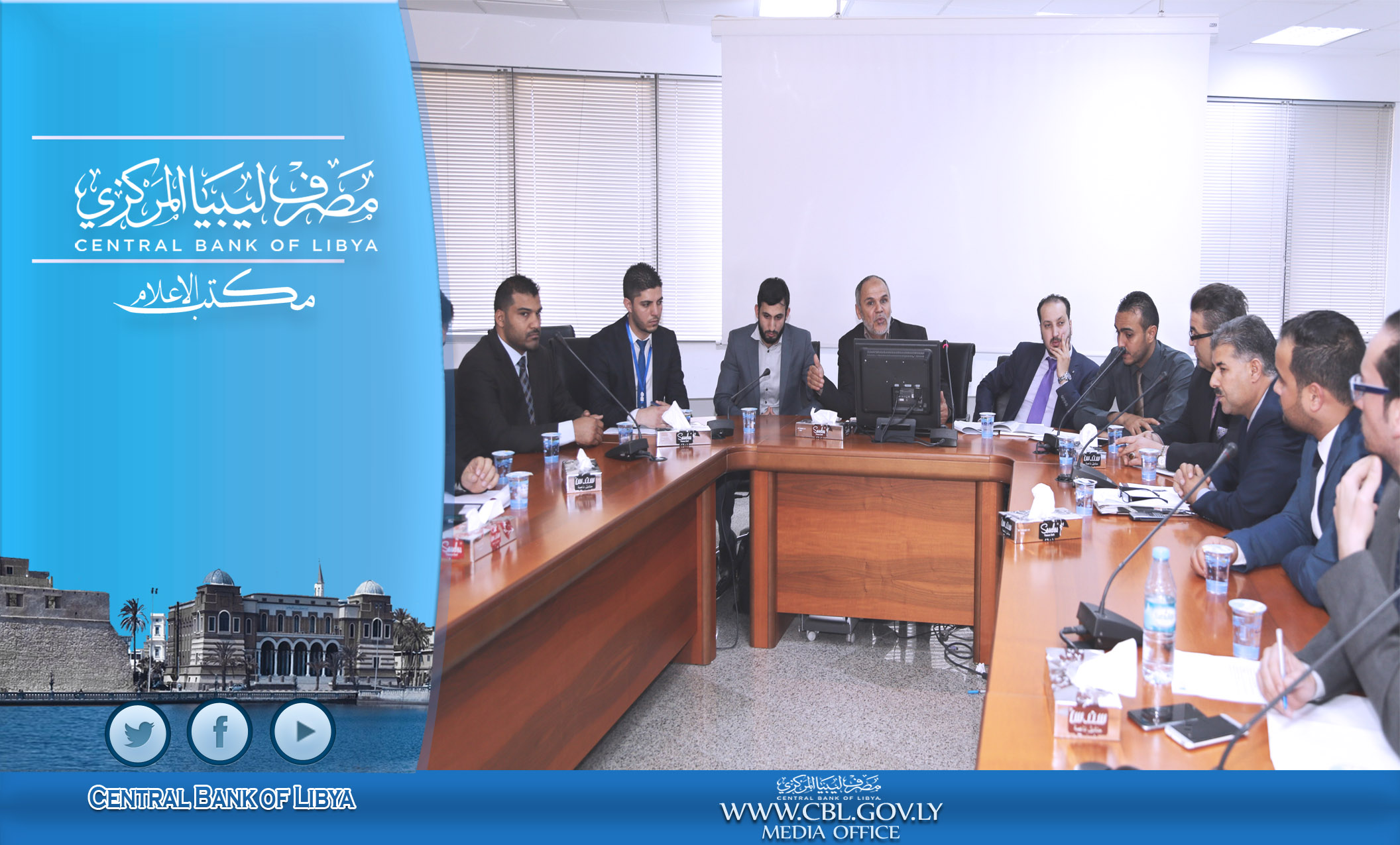 A meeting was held on Thursday morning on the 28th of April 2016 at the Supervision Department of the Central Bank of Libya with compliance unit managers at commercial banks. They emphasized during the meeting, it is necessary, the compliance units of commercial banks need to assess the risk of non-compliance and check and review the bank’s operational procedures with emphasis on managers of sub-units of financial information units to carry out all the tasks set forth by the anti-money laundering procedures.

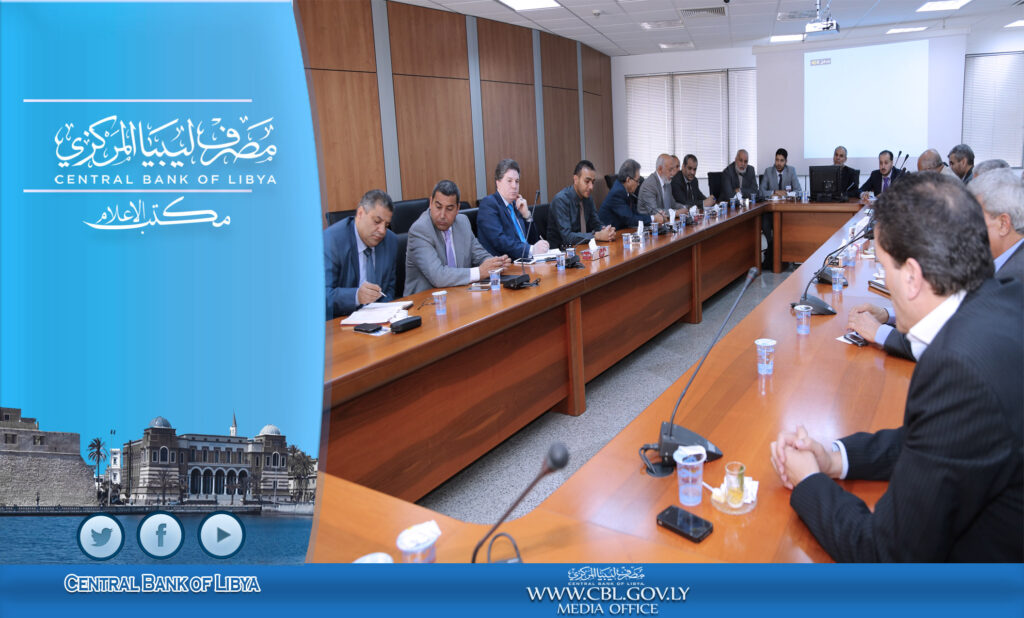 The committee of the Central Bank of Libya, responsible for the role of documentary letters of credit, held a meeting on the 28th of April 2016 at the Central Bank in Tripoli with the general managers of the commercial banks.
They confirmed during the meeting, the necessity to accelerate the procedures for opening documentary letters credits by commercial banks in accordance with the regulations in Circular No.2 for year 2016. Also, the Central Bank noted the slow pace of the procedures and the delay by some banks.
The meeting also overcame certain difficulties and issues faced by commercial banks and also emphasized the need to expedite the activation and issuance of electronic cards and accelerate the opening of transfer services for the public according to the legislation in force.
The committee of the Central Bank of Libya, responsible for the role of documentary letters of credit, held a meeting on the 28th of April 2016 at the Central Bank in Tripoli with the general managers of the commercial banks.
They confirmed during the meeting, the necessity to accelerate the procedures for opening documentary letters credits by commercial banks in accordance with the regulations in Circular No.2 for year 2016. Also, the Central Bank noted the slow pace of the procedures and the delay by some banks.
The meeting also overcame certain difficulties and issues faced by commercial banks and also emphasized the need to expedite the activation and issuance of electronic cards and accelerate the opening of transfer services for the public according to the legislation in force.

 The Issuance Department of the Central Bank of Libya sent a currency shipment to the Central Bank of Libya branch in Sebha on Thursday the 28th of April 2016 to be distributed to the commercial banks in the south of Libya.

 The Central Bank of Libya has granted permission for 53 companies to import food supplies by means of Cash Against Documents according to the terms and conditions put forth by the Central Bank of Libya.
The permission includes approval to import food supplies, for the upcoming holy month of Ramadan, and work is underway to complete the approvals for a number of other companies that have applied.
The bank has implemented mandatory and obligatory terms and conditions for the companies that have applied through their banks to be granted permission, these terms and conditions are as follows:
The Central Bank of Libya has granted permission for 53 companies to import food supplies by means of Cash Against Documents according to the terms and conditions put forth by the Central Bank of Libya.
The permission includes approval to import food supplies, for the upcoming holy month of Ramadan, and work is underway to complete the approvals for a number of other companies that have applied.
The bank has implemented mandatory and obligatory terms and conditions for the companies that have applied through their banks to be granted permission, these terms and conditions are as follows:

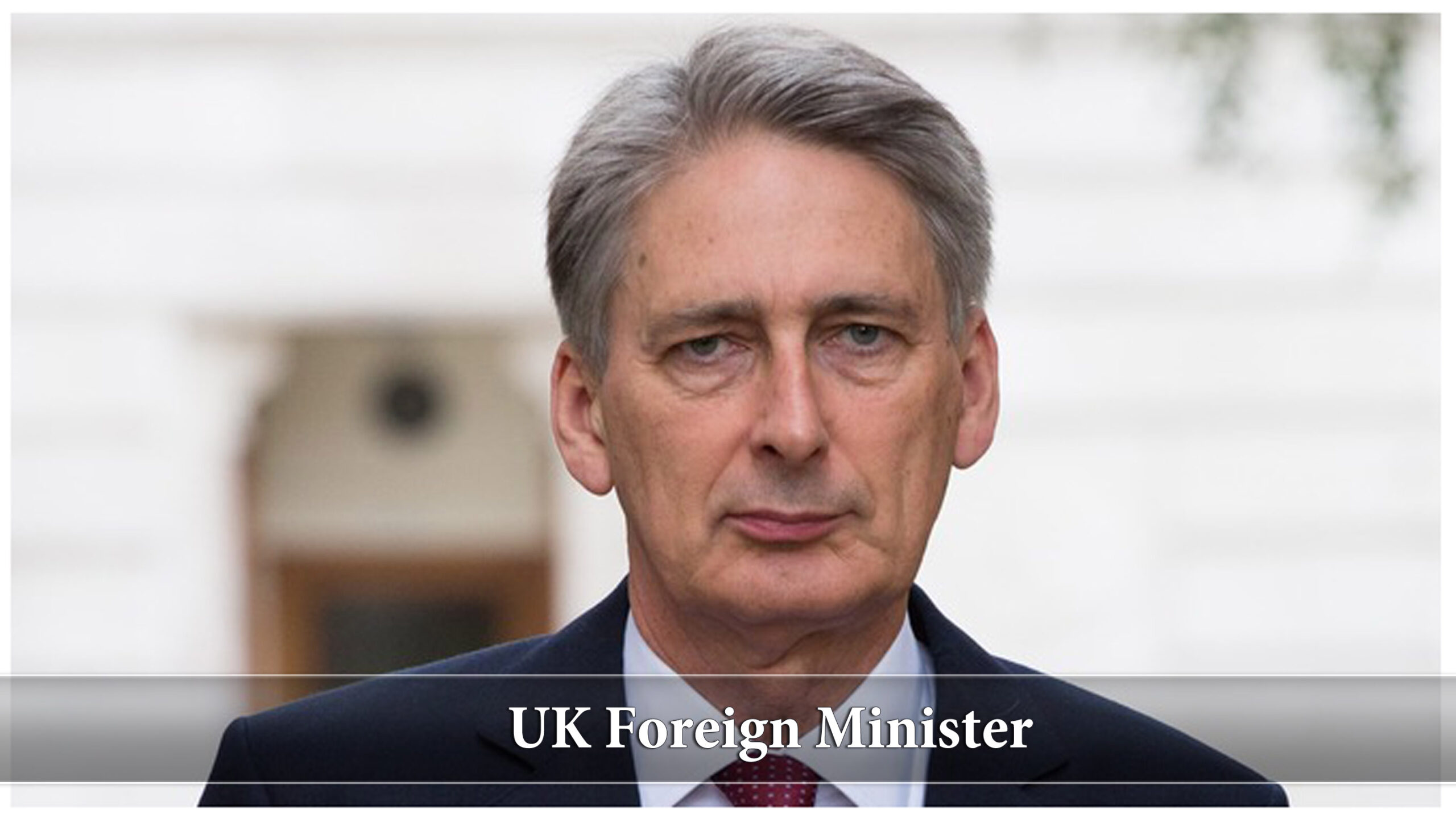 Mr.Philip Hamond, UK Foreign Minister, told the British House of Common on Tuesday morning the 19th of April 2016 in a meeting allocated to his visit to Libya, that he offered Mr. Fayez Al Seraj, President of the Presidential Council of the Government of National Accord, technical support for The Central Bank of Libya, the NOC and the LIA.
In addition, Mr. Hammond mentioned that this support came in appreciation to the flexibility and professional creativity that had been noted by international partners of Libyan figures who continued to manage these institutions through chaotic periods during the past few years which obviously illustrates their potential and good motives in their remarkable work. Mr. Hammond’s remarks came in response to the question that was directed to him about the role of the British government in helping the Libyan economy become more effective and to help the Libyan Central Bank stay effective.
Mr.Philip Hamond, UK Foreign Minister, told the British House of Common on Tuesday morning the 19th of April 2016 in a meeting allocated to his visit to Libya, that he offered Mr. Fayez Al Seraj, President of the Presidential Council of the Government of National Accord, technical support for The Central Bank of Libya, the NOC and the LIA.
In addition, Mr. Hammond mentioned that this support came in appreciation to the flexibility and professional creativity that had been noted by international partners of Libyan figures who continued to manage these institutions through chaotic periods during the past few years which obviously illustrates their potential and good motives in their remarkable work. Mr. Hammond’s remarks came in response to the question that was directed to him about the role of the British government in helping the Libyan economy become more effective and to help the Libyan Central Bank stay effective.